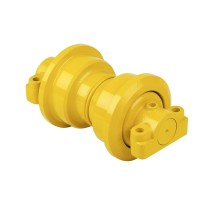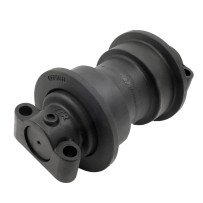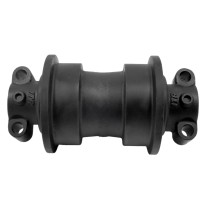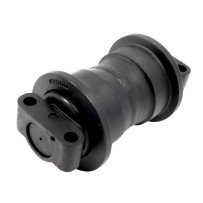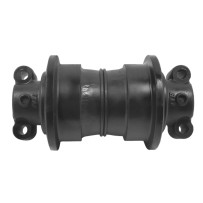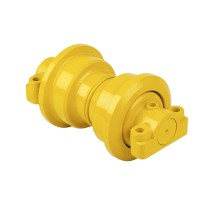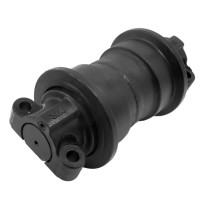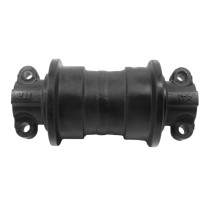





Einkaufen nach Kategorie

Stahl- und Gummikettenlaufwerke für alle Maschinen

Left Banner

  • LeftBanner 1

Unterkategorien

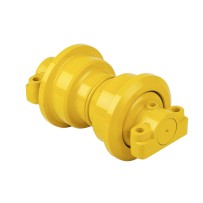
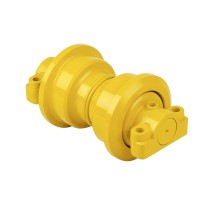
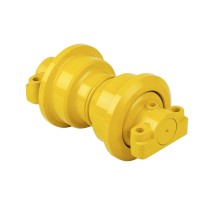
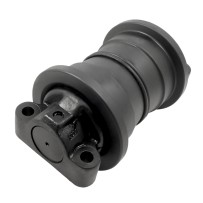
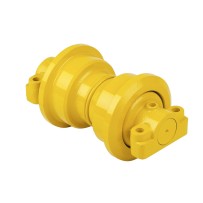
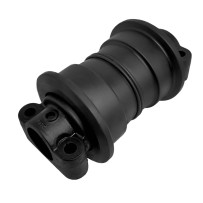
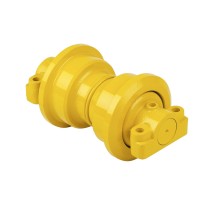
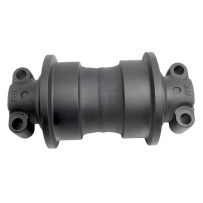
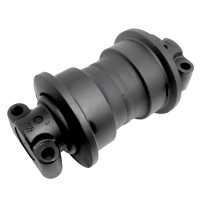
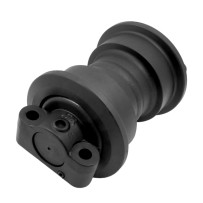
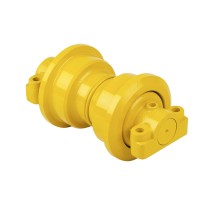
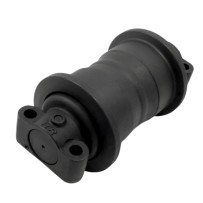
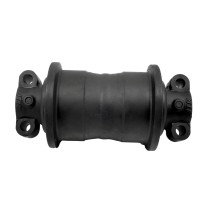
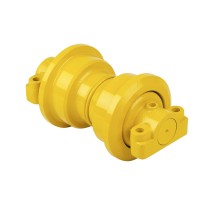
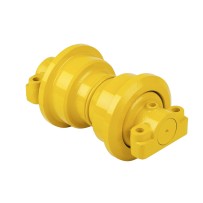
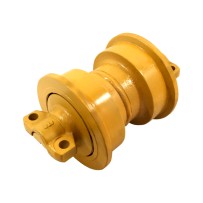
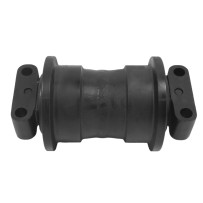
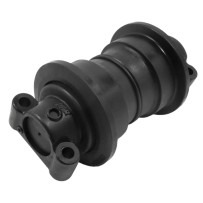
  • Einseitige Laufrollen

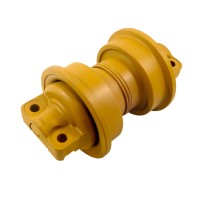
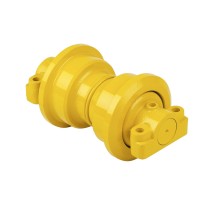
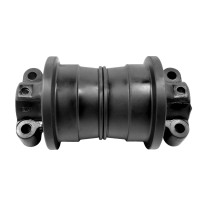
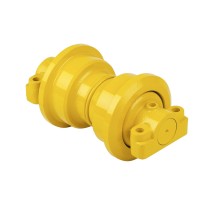
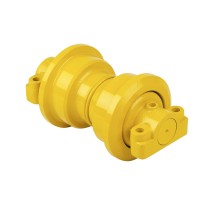
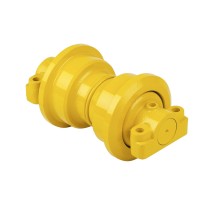
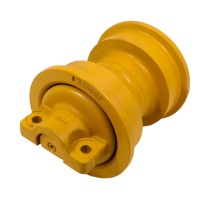
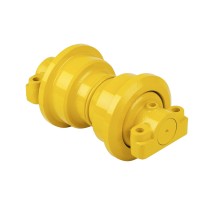
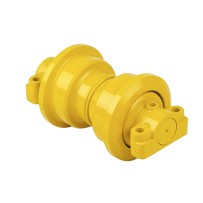
    Einseitige Laufrollen für Bagger und Planierraupen

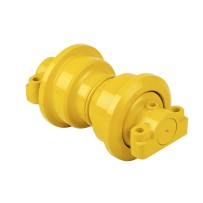
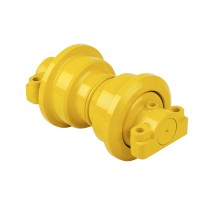
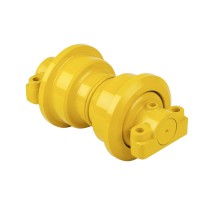
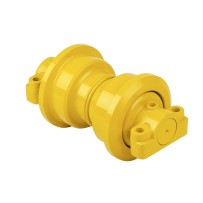
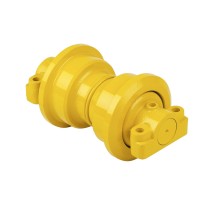
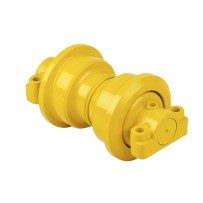
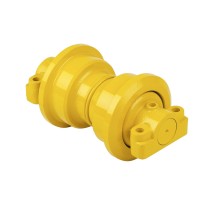
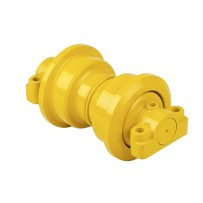
    Prüfen Sie einseitige Laufrollen, die wir im Onlineshop glimat.com anbieten. Die Rollen sind für Planierraupen, Bagger und Minibagger geeignet. Dies ist ein Maschinenteil, das regelmäßig kontrolliert und bei Verschleiß oder Defekt schnell ausgetauscht werden muss. Zögern Sie nicht mit dieser Maßnahme – bei glimat.com führen wir ein umfangreiches Sortiment (insgesamt über 400.000 Ersatzteile) und bieten stets wettbewerbsfähige Preise. Auf jedes Teil gewähren wir Herstellergarantie (2 Jahre).

    ===

    Einseitige Laufrollen von vertrauenswürdigen Herstellern

    Ersatzteile für Baumaschinen finden Sie bei uns dank eines praktischen Ersatzteilkatalogs. Dieser dient als Suchfunktion. Sie können einseitige Laufrollen von Herstellern wie zum Beispiel:

    - Caterpillar,
    - Hitachi,
    - Komatsu,
    - Volvo,
    - Kubota,
    - Neuson,
    - Atlas Copco,
    - O&K,
    - Zeppelin,
    - Samsung.

    Alle Bau- und Erdarbeiten hängen von der Funktion schwerer Maschinen ab, die mit kleinen Bauteilen ausgestattet sind. Das gesamte Kettenlaufwerk muss voll funktionsfähig sein – damit die Arbeit störungsfrei verläuft, muss jedes Teil in bestmöglichem Zustand sein. Bestellen Sie einseitige Laufrollen online, und falls verschiedene Teile benötigt werden, bestellen Sie diese gleich mit. So sparen Sie Versandkosten. Als Firma Glimat sind wir seit über 25 Jahren am Markt und liefern ausschließlich Sortiment von bewährten und renommierten Herstellern.

    Fachliche technische Unterstützung durch das Glimat-Team

    Beim Suchen nach einseitigen Laufrollen haben Sie Fragen? Möchten Sie professionelle Beratung, um sicherzugehen, dass Sie die passenden Teile wählen? Wenden Sie sich an unser Team. Senden Sie eine E-Mail an shop@glimat.com oder kontaktieren Sie uns unter der Nummer 32 338 03 33. Die Hotline ist von Montag bis Freitag von 8:00 bis 16:00 Uhr erreichbar.

    Siehe auch: zweiseitige Laufrollen

  • Kettenlaufwerk-Ketten

    Kettenlaufwerke für Baumaschinen

    Kettenlaufwerke sind ein zentrales Bauteil in Baumaschinen wie Baggern und Planierraupen, die unter schwierigen Geländebedingungen arbeiten. Diese technologisch fortschrittlichen Komponenten übertragen die Kraft, sorgen für Stabilität und Mobilität der Maschinen auf verschiedenen Untergründen, einschließlich unebenem, sumpfigem oder felsigem Terrain. Die Auswahl geeigneter Kettenlaufwerke, deren Wartung und regelmäßige Instandhaltung sind entscheidend für die Leistung der Maschinen und die Senkung der Betriebskosten.

    ===

    Arten von Kettenlaufwerken

    Geschlossene und geschmierte Ketten (SALT) – Diese Ketten sind mit Öl geschmiert, um die Reibung zwischen Bolzen und Buchsen zu reduzieren, was ihre Lebensdauer verlängert. Sie sind besonders geeignet für Maschinen, die unter schweren Bedingungen arbeiten, wie Planierraupen und Bagger. Die Schmierung verringert den Verschleiß der inneren Bauteile, was häufige Reparaturen reduziert und die Nutzungsdauer verlängert.

    Abgedichtete Ketten – Ausgestattet mit speziellen Polyurethan-Dichtungen, die das Eindringen von Verunreinigungen in die inneren Mechanismen der Kette verhindern und somit den Verschleiß reduzieren. Diese Kettenart wird besonders für Bagger empfohlen, die in staubigen oder schlammigen Umgebungen eingesetzt werden.

    Schwere Ketten – Für industrielle und bergbauliche Anwendungen, bei denen Maschinen hohen Belastungen ausgesetzt sind, werden verstärkte Ketten mit höherer Festigkeit verwendet. Diese Ketten verfügen über verstärkte Bolzen und Buchsen, die widerstandsfähiger gegen Stöße und Abrieb sind.

    Wartung und Austausch

    Regelmäßige Kontrolle und Wartung der Kettenlaufwerke sind entscheidend für deren Langlebigkeit. Der Verschleiß einzelner Bauteile wie Bolzen, Buchsen und Glieder ist zu überwachen. Fehlstellung (Misalignment) der Ketten kann zu beschleunigtem Verschleiß und Schäden am gesamten Fahrwerk führen. In solchen Fällen ist eine Justierung gemäß Herstellerangaben erforderlich, um einen gleichmäßigen Verschleiß der Komponenten sicherzustellen.

    Der Austausch der Kettenlaufwerke sollte gemäß den Empfehlungen des Maschinenherstellers erfolgen. Bei übermäßigem Verschleiß, Rissen oder Spiel sind die Ketten unverzüglich zu ersetzen. Der Vorgang umfasst das Anheben der Maschine, das Lösen der Kettenspannung und das Trennen der Kettenglieder mit speziellen Werkzeugen wie einer Kettenpresse.

    Arten von Baumaschinen

    Kettenlaufwerke werden in einer breiten Palette von Baumaschinen eingesetzt, wobei Typ und Konstruktion von der Maschinenausführung und den Einsatzbedingungen abhängen. Beispielsweise verwenden Kettenbagger Ketten mit kleinerem Gliederabstand, die Stabilität und Präzision auf unebenem Gelände gewährleisten. Planierraupen, insbesondere im Bergbau und auf großen Baustellen, benötigen schwere, widerstandsfähige Ketten, die hohen Belastungen und Abrieb standhalten. Kettendumper, Krane und andere Spezialmaschinen wie Kettenbrecher verwenden ebenfalls spezifische Ketten, die je nach Einsatzanforderungen variieren, z. B. für Arbeiten im Schlamm, Sand oder auf felsigem Untergrund. Für kleinere Maschinen wie Minibagger kommen leichtere und flexiblere Ketten zum Einsatz, die auf Manövrierfähigkeit und dauerhaften Betrieb optimiert sind​

    Beispiele für Baumaschinen

    • Kettenbagger – wie Caterpillar 336 oder Komatsu PC210. Diese Maschinen sind mit hochbelastbaren Kettenlaufwerken ausgestattet, die effizientes Arbeiten im schwierigen Gelände ermöglichen, z. B. auf Baustellen, in Steinbrüchen und Erdarbeiten.
    • Planierraupen – Beispiele sind Caterpillar D8T und Komatsu D65. Planierraupen
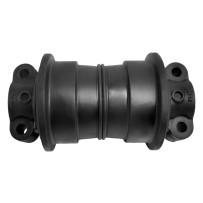
  • Doppelseitige...

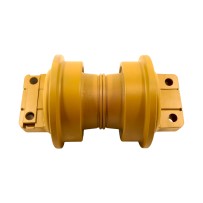
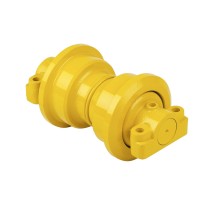
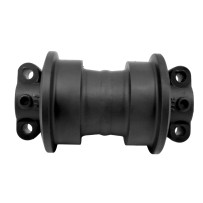
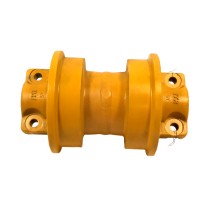
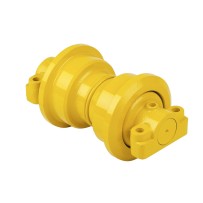
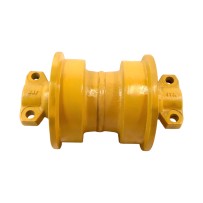
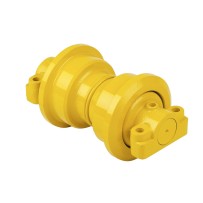
    Doppelkantige Laufrollen für Bagger und Planierraupen

    Doppelkantige Laufrollen für Bagger und Planierraupen sind eines der wichtigsten Bauteile des Fahrwerks, verantwortlich für die korrekte Führung der Ketten sowie die Lastverteilung während des Maschineneinsatzes. Ihre entsprechende Qualität und Haltbarkeit wirken sich direkt auf die Betriebseffizienz und die Betriebskosten von Baggern und Planierraupen aus. Der regelmäßige Austausch der Laufrollen gegen Modelle mit hoher Belastbarkeit erhöht die Lebensdauer des gesamten Fahrwerks und verhindert unerwartete Ausfälle.

    ===

    Funktionen der doppelkantigen Laufrollen

    Doppelkantige Laufrollen für Bagger und Planierraupen gewährleisten Stabilität und eine gleichmäßige Druckverteilung der Kette auf den Untergrund. Ihre Hauptaufgaben umfassen:

    • Abstützung der Kette und Gewährleistung ihres reibungslosen Laufes
    • Reduzierung der Reibung zwischen Kette und Untergrund, was die Lebensdauer des Fahrwerks verlängert
    • Verhinderung des Abrutschens der Kette von der Führungsbahn
    • Gleichmäßige Lastverteilung, die ein gleichmäßiges Verschleißen der Fahrwerksteile ermöglicht

    Hochwertige doppelkantige Laufrollen verringern Vibrationen während des Betriebs, was den Bedienkomfort erhöht und die Präzision der Maschine verbessert.

    Typen doppelkantiger Laufrollen

    Doppelkantige Laufrollen für Bagger und Planierraupen unterscheiden sich in Konstruktion und Verwendungszweck, daher ist die richtige Auswahl entscheidend. Grundlegende Typen sind:

    1. Laufrollen für Bagger – ausgelegt für dynamische Belastungen und wechselndes Gelände. Hergestellt aus widerstandsfähigen Materialien, beständig gegen intensive Beanspruchung.
    2. Laufrollen für Planierraupen – mit robusterer Konstruktion, da sie hohe Lasten aushalten müssen, die durch den Einsatz auf unebenem Untergrund entstehen.
    3. Laufrollen mit Dichtung – verfügen über zusätzlichen Schutz gegen das Eindringen von Verunreinigungen, was die Lebensdauer unter schwierigen Einsatzbedingungen verlängert.

    Die Wahl der passenden doppelkantigen Laufrollen für Bagger und Planierraupen beeinflusst die Effizienz und Langlebigkeit der Maschine, daher lohnt sich die Investition in bewährte Produkte.

    Doppelkantige Laufrollen für Bagger und Planierraupen – Markenkompatibilität

    In unserem Angebot finden Sie doppelkantige Laufrollen für Maschinen renommierter Hersteller wie:

    • Caterpillar
    • Hitachi
    • Komatsu
    • Volvo
    • Kubota
    • Dressta
    • Hyundai
    • Shantui
    • Atlas Copco

    Unsere Produkte sind mit verschiedenen Bagger- und Planierraupenmodellen kompatibel, was eine präzise Anpassung der Laufrollen an die Maschinenspezifikationen ermöglicht. Dadurch profitieren Anwender von einer längeren Lebensdauer des Fahrwerks und einem reibungslosen Betrieb des Geräts.

    Verschleißanzeichen doppelkantiger Laufrollen

    Die regelmäßige Kontrolle des Zustands doppelkantiger Laufrollen verhindert kostspielige Ausfälle und sichert den optimalen Maschineneinsatz. Häufige Anzeichen für einen notwendigen Austausch sind:

    • Unruhiger Kettenlauf und Schwierigkeiten bei der Maschinenführung
    • Übermäßige Vibrationen und Geräusche während der Fahrt
    • Sichtbare Risse oder Beschädigungen an der Rollenoberfläche
    • Fettlecks an den Dichtungen
    • Ungleichmäßiger Kettenverschleiß
  • Antriebsräder

    ANTRIEBSRÄDER

    Möchten Sie Antriebsräder für Bagger, Planierraupen oder andere Geräte für Straßen-, Erd- und Meliorationsarbeiten austauschen? Prüfen Sie das Angebot des Shops glimat.com und sehen Sie, welche Ersatzteile für Baumaschinen wir vorbereitet haben. Darunter befinden sich Antriebsräder von bekannten und renommierten Herstellern, und unser Angebot wird ständig aktualisiert. Wir bieten günstige Preise, hohe Verfügbarkeit (sofort lieferbar), 2 Jahre Garantie und technischen Support beim Einkauf. Wir gehen individuell auf Kunden ein und helfen bei der Auswahl der besten Antriebsräder für die jeweiligen Einsatzbedingungen.

    ===

    Antriebsräder von renommierten Herstellern

    Um die gewünschten Produkte zu finden, können Sie den Teilekatalog nutzen – eine einfache und funktionale Suchfunktion auf der Webseite. Wir führen Antriebsräder für Bagger und andere Maschinen, darunter Modelle von Herstellern wie zum Beispiel:

    • - Caterpillar
    • - Komatsu,
    • - Liebherr,
    • - Volvo,
    • - Hyundai,
    • - Kubota,
    • - Bobcat,
    • - Yanmar,
    • - Takeuchi,
    • - Dressta.
    • - JCB.
    • - New Holland.
    • - Atlas.

    Benötigen Sie auch andere Ersatzteile für Komatsu-Bagger? Oder interessieren Sie sich eher für Caterpillar-Ersatzteile? Im Shop glimat.com finden Sie auch Schaufelzähne für Bagger, Kettenspanner, Laufrollen, Ketten, Gummiketten und vieles mehr. Nutzen Sie die Möglichkeit der Online-Bestellung und stellen Sie die benötigten Ersatzteile bequem von zu Hause aus zusammen. Die Firma Glimat verfügt über mehr als 25 Jahre Erfahrung und ist Alleinvertreter der USCO spA Gruppe (Inhaber der Marke ITR). Wir laden Sie ein, sich über die Artikel zu informieren und Bestellungen aufzugeben.

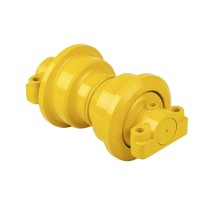
  • Leiträder

    LEITRÄDER

    Möchten Sie Leiträder für Bagger oder Planierraupen kaufen und dabei ausschließlich auf bewährte Hersteller setzen? Willkommen bei uns! Als Firma Glimat (mit über 25 Jahren Markterfahrung) bieten wir Leiträder und weitere Ersatzteile für Baumaschinen. Sie können diese "sofort ab Lager" erhalten, da wir eine sehr große Produktverfügbarkeit haben. Wir zeichnen uns zudem durch schnelle Auftragsabwicklung aus.

    ===

    Leiträder

    Bei der Suche und Auswahl der Teile hilft Ihnen unser Suchtool. Wir bieten Leiträder für Minibagger von bewährten Herstellern wie zum Beispiel:

    - Caterpillar,
    - Hitachi,
    - Hyundai,
    - Komatsu,
    - Atlas,
    - Kubota,
    - JCB.

    Sehen Sie auch Fahrwerke für Bagger, Kettenlaufwerke, Schneidkanten und weitere Komponenten. Insgesamt führen wir über 400.000 Ersatzteile.

    Professioneller Kundenservice

    Betreiben Sie Maschinen für Bau-, Straßen- oder Meliorationsarbeiten und wünschen technische Unterstützung? Als Firma Glimat sind wir exklusiver Vertreter der USCO spA Gruppe. Wir verfügen nicht nur über ein umfangreiches Sortiment, sondern auch über Erfahrung und technisches Know-how. Wir helfen bei der Teileauswahl für Ihre Maschine und unterstützen Sie in jeder Vertragsphase. Für Kontakt rufen Sie unsere Hotline unter 32 338 03 15 an oder senden eine E-Mail an shop@glimat.com.

  • Tragrollen Kettenlaufwerk

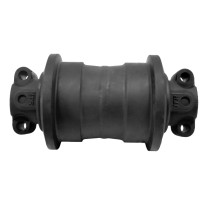
    TRAGROLLEN FÜR KETTENLAUFWERK

    Tragrollen für Bagger und Planierraupen sind Grundelemente des Maschinenfahrwerks. Als professioneller Onlineshop bieten wir ausschließlich Rollen von bewährten und renommierten Herstellern an. Gemeinsam mit unseren Partnern fertigen und vertreiben wir Tragrollen passend für Maschinen von Caterpillar, Volvo, Komatsu, Hitachi, Liebherr, Kubota, Samsung und weiteren. Sehen Sie auch andere Ersatzteile für Baumaschinen (z.B. Gummiketten, Wasserpumpen, Schaufelzähne für Bagger) und bestellen Sie bei Bedarf Komplettsets für umfassende Reparaturen.

    ===

    Tragrollen für Bagger und Planierraupen – Vorteile der Bestellung bei glimat.com

    Wir sind spezialisiert auf die Lieferung von Ersatzteilen für Bagger, Planierraupen, Radlader, Minibagger und weitere Maschinen. Die angebotenen Tragrollen wurden im Produktionsprozess der ITR-Linie gefertigt. Dadurch erhalten Sie höchste Produktionsqualität. Die Tragrollen unserer Partnerhersteller bewähren sich auch unter anspruchsvollen und schwierigen Einsatzbedingungen. Sie tragen hohe Lasten dank spezieller Verstärkungstechnologie. Bei einer Bestellung bei glimat.com profitieren Sie von:

    • - Zeit – Ersatzteile sind bei uns sofort verfügbar,
    • - Kosten – wir bieten günstige, wettbewerbsfähige Preise,
    • - technischer Unterstützung – wir gewährleisten diese in jeder Vertragsphase.

    Mit unserer Suchfunktion finden Sie schnell sowohl Tragrollen als auch weitere Komponenten für Bagger oder Planierraupen. Bei Fragen und für professionelle Beratung kontaktieren Sie uns unter der Telefonnummer 32 338 03 15 oder per E-Mail an sklep@glimat.com.

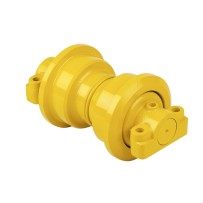
Laufrolle DRESSTA TD40 B einseitig laufend
0 Review(s) 

Single flange track rollers are key components of the crawler undercarriage system, commonly used in construction machinery such as crawler excavators, bulldozers, and other heavy equipment operating in challenging terrain. These rollers play a crucial role in ensuring smooth movement and even weight distribution of the machine on the tracks, which minimizes wear on components and the ground over which the machine travels.

SINGLE FLANGE TRACK ROLLER - DIMENSIONS

Internal width between the roller flanges 294 mm

CATERPILLAR TRACK ROLLER - FUNCTION AND CONSTRUCTION

Single flange track rollers, unlike their double flange counterparts, have only one flange that guides the track in the correct line of movement. This flange, located on one side of the roller, interacts with the inner surface of the track links, keeping them in the correct position on the working path. The absence of a second flange on the roller means that this component is typically used in machines with lower loads or in specific working conditions where lateral load is reduced.

Key elements of the single flange roller construction:

  • Roller body – Made of high wear-resistant steel. Its purpose is to transfer the mass of the machine and working forces.
  • Flange – One flange placed on one side of the roller, which keeps the track on the correct path. It prevents the track from slipping off the roller.
  • Bearing – The interior of the roller contains bearings that allow for smooth rotation of the roller under load. The bearings are lubricated and often sealed, which minimizes maintenance needs.
  • Seals – The rollers are equipped with special seals that prevent dirt, water, and contaminants from entering, extending the component's lifespan.

  • Single flange rollers are mainly used in medium and smaller crawler machines that do not experience such high lateral forces as, for example, bulldozers working on steep slopes. Examples of such applications include:
  • Crawler excavators – Especially those operating in moderate terrain conditions, where guiding the track is more important than counteracting lateral forces.
  • Mini excavators and smaller bulldozers – In smaller machines, the weight distributed on the undercarriage is not as significant, making single flange rollers sufficiently durable.
  • Machines for transporting aggregates or other crawler devices – These machines often operate in conditions where a lightweight undercarriage and lower lateral loads are required.

SINGLE FLANGE TRACK ROLLER - UF294D0T

The roller shell is made of deep-hardened steel and designed to be resistant to vibrations. Hardness 50 – 58 HRC. Shafts and bearings are designed to reduce friction and wear while ensuring maximum strength. Lubricated for the entire service life for minimal maintenance.

Modern single flange rollers increasingly utilize advanced materials, such as high-strength alloys and modern protective coatings. Among the innovations, the following can be highlighted:

  • Surface hardening – This process increases strength and wear resistance, which is particularly important in conditions of intensive use.
  • Multi-layer seals – Modern sealing systems more effectively protect bearings from contaminants and moisture, resulting in longer component lifespan.

    Single flange track rollers are an essential element of many crawler machines, especially those operating in moderate terrain conditions. Their simpler construction and lower operating costs make them a popular choice for machines with lower lateral loads. However, the selection of appropriate rollers for a machine should always consider specific working conditions, load, and terrain type to ensure optimal performance and longevity of the undercarriage.
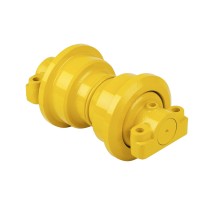
Laufrolle HYUNDAI R1200 einseitig
0 Review(s) 

Rolka jezdna jednokrawędziowa (ang. single flange track roller) jest ważnym komponentem w systemie podwozia gąsienicowego, używanym w maszynach budowlanych, takich jak koparki gąsienicowe, spycharki oraz inne ciężkie maszyny, które operują na trudnym terenie. Rolki te zapewniają płynny ruch i równomierny rozkład ciężaru maszyny na gąsienice, co pomaga zminimalizować zużycie części oraz zmniejsza oddziaływanie na podłoże, po którym maszyna się porusza.

ROLKA JEZDNA JEDNOKRAWĘDZIOWA - WYMIARY

Szerokość wewnętrzna pomiędzy kołnierzami rolki 290 mm

ROLKA JEZDNA CATERPILLAR - FUNKCJA I BUDOWA

Rolka jezdna jednokrawędziowa różni się od swojego dwukrawędziowego odpowiednika tym, że ma tylko jedną flanszę, odpowiedzialną za prawidłowe prowadzenie gąsienicy. Ta pojedyncza flansza znajduje się z jednej strony rolki i współpracuje z wewnętrzną powierzchnią ogniw gąsienicy, co pozwala na utrzymanie ich we właściwej pozycji. Brak drugiej flanszy oznacza, że rolka jezdna jest częściej stosowana w maszynach pracujących pod mniejszym obciążeniem lub w warunkach, gdzie siły boczne są ograniczone.

Kluczowe elementy budowy rolki jednokrawędziowej:

  • Korpus rolki – Wykonany ze stali o wysokiej wytrzymałości na ścieranie. Ma za zadanie przenoszenie masy maszyny oraz sił roboczych.
  • Flansza (wypustka) – Jedna flansza umieszczona po jednej stronie rolki, która utrzymuje gąsienicę na właściwym torze. Chroni gąsienice przed zsunięciem się z rolki.
  • Łożyskowanie – Wnętrze rolki zawiera łożyska, które umożliwiają płynne obracanie się rolki pod obciążeniem. Łożyska są smarowane i często zapieczętowane, co minimalizuje potrzebę konserwacji.
  • Uszczelnienia – Rolki wyposażone są w specjalne uszczelnienia zapobiegające przedostawaniu się brudu, wody i zanieczyszczeń, co przedłuża żywotność komponentu.

  • Rolki jednokrawędziowe znajdują zastosowanie głównie w maszynach gąsienicowych o średnich i mniejszych gabarytach, które nie podlegają tak wysokim siłom bocznym jak np. spycharki pracujące na stromych nachyleniach. Przykłady takich zastosowań to:
  • Koparki gąsienicowe – Szczególnie te pracujące w średnich warunkach terenowych, gdzie ważniejsze jest prowadzenie gąsienicy niż przeciwdziałanie siłom bocznym.
  • Mini koparki i mniejsze spycharki – W mniejszych maszynach ciężar rozłożony na układ podwozia nie jest tak duży, co sprawia, że rolki jednokrawędziowe są wystarczająco wytrzymałe.
  • Maszyny do transportu kruszywa lub inne urządzenia gąsienicowe – Te maszyny często poruszają się w warunkach, gdzie potrzebna jest lekkość układu podwozia i mniejsze obciążenia boczne.

ROLKA JEZDNA JEDNOKRAWĘDZIOWA - UF290H0E

Płaszcz rolki z głęboko hartowanej stali i zaprojektowany tak, aby był odporny na drgania. Hartowanie 50 – 58 HRC. Wały i łożyska są zaprojektowane tak, aby zmniejszyć tarcie i zużycie oraz zapewnić maksymalną wytrzymałość. Smarowane na cały okres eksploatacji w celu minimalnej konserwacji.

Rolki jezdne jednokrawędziowe w dzisiejszych czasach coraz częściej korzystają z nowoczesnych materiałów, takich jak stopy metali o wysokiej wytrzymałości oraz innowacyjne powłoki ochronne. Do najważniejszych innowacji należą:

  • Hartowanie powierzchniowe – Technologia ta znacząco zwiększa odporność na ścieranie i wytrzymałość, szczególnie ważne podczas pracy w trudnych warunkach.
  • Uszczelnienia wielowarstwowe – Zaawansowane systemy uszczelnień oferują lepszą ochronę łożysk przed zabrudzeniami oraz wilgocią, co wydłuża okres eksploatacji rolek.

Rolki jezdne jednokrawędziowe są kluczowym komponentem wielu maszyn poruszających się na gąsienicach, zwłaszcza tych, które pracują w umiarkowanych warunkach terenowych. Dzięki swojej uproszczonej budowie i niższym kosztom eksploatacyjnym, stanowią popularny wybór dla maszyn o mniejszych obciążeniach bocznych. Należy jednak pamiętać, że wybór odpowiednich rolek musi uwzględniać konkretne warunki robocze, poziom obciążenia i typ terenu, aby zapewnić optymalną efektywność i trwałość systemu podwozia.

Laufrolle LIEBHERR R974 B-VH-HD einseitig...
0 Review(s) 

A single flange track roller is a crucial component of the crawler undercarriage system, widely used in construction machinery such as crawler excavators, bulldozers, and other heavy vehicles operating in challenging terrain conditions. This roller plays a key role in ensuring the smooth movement of the machine and the even distribution of its weight on the tracks, which contributes to reducing component wear and minimizing the impact on the ground.

SINGLE FLANGE TRACK ROLLER - DIMENSIONS

Internal width between the roller flanges 280 mm

TRACK ROLLER CATERPILLAR - FUNCTION AND CONSTRUCTION

The single flange track roller, unlike the double flange version, has only one flange, which serves to guide the track along a designated path. The flange located on one side of the roller interacts with the inner side of the track links, keeping it on the correct track. The absence of a second flange means that the track roller is typically used in machines with lower loads or in working conditions where there are smaller lateral forces.

Key elements of the single flange roller construction:

  • Roller body – Made of high wear-resistant steel. Its purpose is to transfer the machine's mass and working forces.
  • Flange (projection) – One flange located on one side of the roller, which keeps the track on the correct path. It prevents the track from slipping off the roller.
  • Bearing – The interior of the roller contains bearings that allow for smooth rotation of the roller under load. The bearings are lubricated and often sealed, minimizing maintenance needs.
  • Seals – The rollers are equipped with special seals that prevent dirt, water, and contaminants from entering, which extends the component's lifespan.

  • Single flange rollers are mainly used in crawler machines of medium and smaller sizes, which do not experience as high lateral forces as, for example, bulldozers working on steep slopes. Examples of such applications include:
  • Crawler excavators – Especially those operating in moderate terrain conditions, where guiding the track is more important than counteracting lateral forces.
  • Mini excavators and smaller bulldozers – In smaller machines, the weight distributed on the undercarriage system is not as great, making single flange rollers sufficiently durable.
  • Machines for transporting aggregates or other crawler devices – These machines often operate in conditions where a lightweight undercarriage and lower lateral loads are required.

SINGLE FLANGE TRACK ROLLER - UF280E0E

The roller shell is made of deep-hardened steel and designed to be resistant to vibrations. Hardness 50 – 58 HRC. The shafts and bearings are designed to reduce friction and wear while ensuring maximum strength. Lubricated for the entire service life to minimize maintenance.

Modern single flange track rollers increasingly utilize advanced materials, such as high-strength alloys and modern protective coatings. Among the innovations, the following can be highlighted:

  • Surface hardening – This process increases strength and wear resistance, which is particularly important in conditions of intensive use.
  • Multi-layer seals – Modern sealing systems more effectively protect bearings from contaminants and moisture, resulting in longer component lifespan.

Single flange track rollers are a key element of many crawler machines, especially those operating in moderate terrain conditions. Due to their simpler construction and lower operating costs, they are often chosen for machines exposed to lower lateral loads. Nevertheless, the selection of appropriate rollers for a machine should consider specific working conditions, load levels, and terrain types to ensure maximum efficiency and durability of the undercarriage.

Laufrolle CATERPILLAR 5090 B einseitig...
0 Review(s) 

Single flange track rollers are key components of the crawler undercarriage system, commonly used in construction machinery such as crawler excavators, bulldozers, and other heavy equipment operating in challenging terrain. These rollers play a crucial role in ensuring smooth movement and even weight distribution of the machine on the tracks, which minimizes wear on components and the ground over which the machine travels.

SINGLE FLANGE TRACK ROLLER - DIMENSIONS

Internal width between the roller flanges 278 mm

CATERPILLAR TRACK ROLLER - FUNCTION AND CONSTRUCTION

Single flange track rollers, unlike their double flange counterparts, have only one flange that guides the track in the correct line of movement. This flange, located on one side of the roller, interacts with the inner surface of the track links, keeping them in the correct position on the working path. The absence of a second flange on the roller means that this component is typically used in machines with lower loads or in specific working conditions where lateral loads are reduced.

Key elements of the single flange roller construction:

  • Roller body – Made of high wear-resistant steel. Its purpose is to transfer the machine's mass and working forces.
  • Flange – One flange placed on one side of the roller, which keeps the track on the correct path. It prevents the track from slipping off the roller.
  • Bearing – The interior of the roller contains bearings that allow for smooth rotation of the roller under load. The bearings are lubricated and often sealed, minimizing maintenance needs.
  • Seals – The rollers are equipped with special seals that prevent dirt, water, and contaminants from entering, extending the component's lifespan.

  • Single flange rollers are mainly used in medium and smaller crawler machines that do not experience such high lateral forces as, for example, bulldozers working on steep slopes. Examples of such applications include:
  • Crawler excavators – Especially those operating in moderate terrain conditions, where guiding the track is more important than counteracting lateral forces.
  • Mini excavators and smaller bulldozers – In smaller machines, the weight distributed on the undercarriage is not as great, making single flange rollers sufficiently durable.
  • Machines for transporting aggregates or other crawler devices – These machines often operate in conditions where a lightweight undercarriage and lower lateral loads are required.

SINGLE FLANGE TRACK ROLLER - UF278C0E

The roller shell is made of deep-hardened steel and designed to be resistant to vibrations. Hardness 50 – 58 HRC. Shafts and bearings are designed to reduce friction and wear while ensuring maximum strength. Lubricated for the entire service life to minimize maintenance.

Modern single flange rollers increasingly utilize advanced materials, such as high-strength alloys and modern protective coatings. Among the innovations, the following can be highlighted:

  • Surface hardening – This process increases strength and wear resistance, which is particularly important in conditions of intensive use.
  • Multi-layer seals – Modern sealing systems more effectively protect bearings from contaminants and moisture, resulting in longer component lifespan.

    Single flange track rollers are an essential element of many crawler machines, especially those operating in moderate terrain conditions. Their simpler construction and lower operating costs make them a popular choice for machines with lower lateral loads. However, the selection of appropriate rollers for a machine should always consider specific working conditions, load, and terrain type to ensure optimal performance and longevity of the undercarriage.
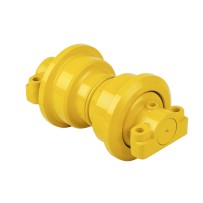
Laufrolle VOLVO EC750 D einseitig...
0 Review(s) 

A single flange track roller is an important component in the crawler undercarriage system, used in construction machines such as crawler excavators, bulldozers, and other heavy equipment operating in challenging terrain. These rollers provide smooth movement and even weight distribution of the machine on the tracks, which helps minimize part wear and reduces the impact on the ground over which the machine moves.

SINGLE FLANGE TRACK ROLLER - DIMENSIONS

Internal width between the roller flanges 274 mm

CATERPILLAR TRACK ROLLER - FUNCTION AND CONSTRUCTION

A single flange track roller differs from its double flange counterpart in that it has only one flange, responsible for properly guiding the track. This single flange is located on one side of the roller and works with the inner surface of the track links, allowing them to maintain their proper position. The absence of a second flange means that the track roller is more commonly used in machines operating under lower loads or in conditions where lateral forces are limited.

Key components of the single flange roller construction:

  • Roller body – Made of high wear-resistant steel. Its purpose is to transfer the machine's mass and working forces.
  • Flange (projection) – One flange located on one side of the roller, which keeps the track on the correct path. It prevents the track from slipping off the roller.
  • Bearing – The interior of the roller contains bearings that allow for smooth rotation of the roller under load. The bearings are lubricated and often sealed, minimizing maintenance needs.
  • Seals – Rollers are equipped with special seals that prevent dirt, water, and contaminants from entering, extending the component's lifespan.

  • Single flange rollers are mainly used in medium and smaller-sized crawler machines that do not experience as high lateral forces as, for example, bulldozers working on steep slopes. Examples of such applications include:
  • Crawler excavators – Especially those operating in moderate terrain conditions, where guiding the track is more important than counteracting lateral forces.
  • Mini excavators and smaller bulldozers – In smaller machines, the weight distributed on the undercarriage system is not as great, making single flange rollers sufficiently durable.
  • Machines for transporting aggregates or other crawler devices – These machines often operate in conditions where a lightweight undercarriage and lower lateral loads are required.

SINGLE FLANGE TRACK ROLLER - UF274H0E

The roller shell is made of deep-hardened steel and designed to be resistant to vibrations. Hardness 50 – 58 HRC. Shafts and bearings are designed to reduce friction and wear while ensuring maximum strength. Lubricated for the entire service life to minimize maintenance.

Single flange track rollers increasingly utilize modern materials today, such as high-strength metal alloys and innovative protective coatings. Key innovations include:

  • Surface hardening – This technology significantly increases wear resistance and strength, particularly important when working in harsh conditions.
  • Multi-layer seals – Advanced sealing systems offer better protection for bearings against dirt and moisture, extending the lifespan of the rollers.

Single flange track rollers are a key component of many machines moving on tracks, especially those working in moderate terrain conditions. Due to their simplified construction and lower operating costs, they are a popular choice for machines with lower lateral loads. However, it is essential to remember that the selection of appropriate rollers must consider specific working conditions, load levels, and terrain types to ensure optimal efficiency and durability of the undercarriage system.

Umlenkrad KOMATSU PC1000 einseitig
0 Review(s) 

Single flange track rollers are key components of the crawler undercarriage system, commonly used in construction machinery such as crawler excavators, bulldozers, and other heavy machines operating in challenging terrain. These rollers play a crucial role in ensuring smooth movement and even weight distribution of the machine on the tracks, which minimizes wear on components and the ground over which the machine travels.

SINGLE FLANGE TRACK ROLLER - DIMENSIONS

Internal width between the roller flanges 273 mm

CATERPILLAR TRACK ROLLER - FUNCTION AND CONSTRUCTION

Single flange track rollers, unlike their double flange counterparts, have only one flange that guides the track in the correct line of movement. This flange, located on one side of the roller, interacts with the inner surface of the track links, keeping them in the correct position on the working path. The absence of a second flange on the roller means that this component is typically used in machines with lower loads or in specific working conditions where lateral loads are reduced.

Key elements of the single flange roller construction:

  • Roller body – Made of high wear-resistant steel. Its purpose is to transfer the mass of the machine and working forces.
  • Flange – One flange placed on one side of the roller, which keeps the track on the correct path. It prevents the track from slipping off the roller.
  • Bearing – The interior of the roller contains bearings that allow for smooth rotation of the roller under load. The bearings are lubricated and often sealed, minimizing maintenance needs.
  • Seals – The rollers are equipped with special seals that prevent dirt, water, and contaminants from entering, which extends the component's lifespan.

  • Single flange rollers are mainly used in medium and smaller crawler machines that do not experience such high lateral forces as, for example, bulldozers working on steep slopes. Examples of such applications include:
  • Crawler excavators – Especially those operating in moderate terrain conditions, where guiding the track is more important than countering lateral forces.
  • Mini excavators and smaller bulldozers – In smaller machines, the weight distributed on the undercarriage is not as great, making single flange rollers sufficiently durable.
  • Machines for transporting aggregates or other crawler devices – These machines often operate in conditions where a lightweight undercarriage and lower lateral loads are required.

SINGLE FLANGE TRACK ROLLER - UF273K0E

The roller shell is made of deep-hardened steel and designed to be resistant to vibrations. Hardness 50 – 58 HRC. Shafts and bearings are designed to reduce friction and wear while ensuring maximum strength. Lubricated for the entire service life to minimize maintenance.

Modern single flange rollers increasingly utilize advanced materials, such as high-strength alloys and modern protective coatings. Among the innovations, the following can be highlighted:

  • Surface hardening – This process increases strength and wear resistance, which is particularly important in conditions of intensive use.
  • Multi-layer seals – Modern sealing systems more effectively protect bearings from contaminants and moisture, resulting in longer component lifespan.

    Single flange track rollers are an essential element of many crawler machines, especially those operating in moderate terrain conditions. Their simpler construction and lower operating costs make them a popular choice for machines with lower lateral loads. However, the selection of appropriate rollers for a machine should always consider specific working conditions, load, and terrain type to ensure optimal performance and longevity of the undercarriage.
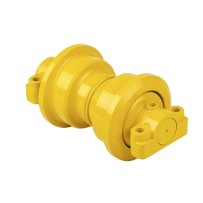
Laufrolle KOMATSU D275 A einseitig
0 Review(s) 

A single flange track roller is an important component in the crawler undercarriage system, used in construction machines such as crawler excavators, bulldozers, and other heavy equipment operating in challenging terrain. These rollers provide smooth movement and even weight distribution of the machine on the tracks, which helps minimize part wear and reduces the impact on the ground over which the machine moves.

SINGLE FLANGE TRACK ROLLER - DIMENSIONS

Internal width between the roller flanges:

TRACK ROLLER CATERPILLAR - FUNCTION AND CONSTRUCTION

The single flange track roller differs from its double flange counterpart in that it has only one flange, responsible for properly guiding the track. This single flange is located on one side of the roller and works with the inner surface of the track links, allowing them to maintain their proper position. The absence of a second flange means that the track roller is more commonly used in machines operating under lower loads or in conditions where lateral forces are limited.

Key construction elements of the single flange roller:

  • Roller body – Made of high wear-resistant steel. Its purpose is to transfer the machine's mass and working forces.
  • Flange (projection) – One flange located on one side of the roller, which keeps the track on the correct path. It protects the tracks from slipping off the roller.
  • Bearing – The interior of the roller contains bearings that allow for smooth rotation of the roller under load. The bearings are lubricated and often sealed, minimizing maintenance needs.
  • Seals – Rollers are equipped with special seals that prevent dirt, water, and contaminants from entering, extending the component's lifespan.

  • Single flange rollers are mainly used in medium and smaller crawler machines that do not experience as high lateral forces as, for example, bulldozers working on steep slopes. Examples of such applications include:
  • Crawler excavators – Especially those operating in moderate terrain conditions, where guiding the track is more important than counteracting lateral forces.
  • Mini excavators and smaller bulldozers – In smaller machines, the weight distributed on the undercarriage system is not as great, making single flange rollers sufficiently durable.
  • Machines for transporting aggregates or other crawler devices – These machines often operate in conditions where a lightweight undercarriage and lower lateral loads are required.

SINGLE FLANGE TRACK ROLLER - UF272K2H

The roller shell is made of deep-hardened steel and designed to be resistant to vibrations. Hardness 50 – 58 HRC. The shafts and bearings are designed to reduce friction and wear while ensuring maximum strength. Lubricated for the entire service life to minimize maintenance.

Single flange track rollers increasingly utilize modern materials today, such as high-strength metal alloys and innovative protective coatings. Key innovations include:

  • Surface hardening – This technology significantly increases wear resistance and strength, particularly important when working in harsh conditions.
  • Multi-layer seals – Advanced sealing systems offer better protection for bearings against dirt and moisture, extending the lifespan of the rollers.

Single flange track rollers are a key component of many machines moving on tracks, especially those working in moderate terrain conditions. Due to their simplified construction and lower operating costs, they are a popular choice for machines with lower lateral loads. However, it is important to remember that the selection of appropriate rollers must consider specific working conditions, load levels, and terrain type to ensure optimal efficiency and durability of the undercarriage system.

Laufrolle KOMATSU D275 A einseitig gezahnt
0 Review(s) 

A single flange track roller is a crucial component of the crawler undercarriage system, widely used in construction machinery such as crawler excavators, bulldozers, and other heavy vehicles operating in challenging terrain conditions. This roller plays a key role in ensuring the smooth movement of the machine and the even distribution of its weight on the tracks, which contributes to reducing component wear and minimizing the impact on the ground.

SINGLE FLANGE TRACK ROLLER - DIMENSIONS

Internal width between the roller flanges:

TRACK ROLLER CATERPILLAR - FUNCTION AND CONSTRUCTION

The single flange track roller, unlike the double flange version, has only one flange, which serves to guide the track along a designated path. The flange located on one side of the roller interacts with the inner side of the track links, keeping it on the correct track. The absence of a second flange means that the track roller is typically used in machines with lower loads or in working conditions where there are smaller lateral forces.

Key construction elements of the single flange roller:

  • Roller body – Made of high wear-resistant steel. Its purpose is to transfer the machine's mass and working forces.
  • Flange (projection) – One flange located on one side of the roller, which keeps the track on the correct path. It prevents the track from slipping off the roller.
  • Bearing – The interior of the roller contains bearings that allow for smooth rotation of the roller under load. The bearings are lubricated and often sealed, minimizing maintenance needs.
  • Seals – The rollers are equipped with special seals that prevent dirt, water, and contaminants from entering, which extends the component's lifespan.

  • Single flange rollers are mainly used in crawler machines of medium and smaller sizes, which do not experience as high lateral forces as, for example, bulldozers working on steep slopes. Examples of such applications include:
  • Crawler excavators – Especially those operating in moderate terrain conditions, where guiding the track is more important than counteracting lateral forces.
  • Mini excavators and smaller bulldozers – In smaller machines, the weight distributed on the undercarriage system is not as great, making single flange rollers sufficiently durable.
  • Machines for transporting aggregates or other crawler devices – These machines often operate in conditions where a lightweight undercarriage and lower lateral loads are required.

SINGLE FLANGE TRACK ROLLER - UF272K1H

The roller shell is made of deep-hardened steel and designed to be resistant to vibrations. Hardness 50 – 58 HRC. Shafts and bearings are designed to reduce friction and wear while ensuring maximum strength. Lubricated for the entire service life to minimize maintenance.

Modern single flange track rollers increasingly utilize advanced materials, such as high-strength alloys and modern protective coatings. Among the innovations, the following can be highlighted:

  • Surface hardening – This process increases strength and wear resistance, which is particularly important in conditions of intensive use.
  • Multi-layer seals – Modern sealing systems more effectively protect bearings from contaminants and moisture, resulting in longer component lifespan.

Single flange track rollers are a key element of many crawler machines, especially those operating in moderate terrain conditions. Due to their simpler construction and lower operating costs, they are often chosen for machines exposed to lower lateral loads. Nevertheless, the selection of appropriate rollers for a machine should consider specific working conditions, load levels, and terrain types to ensure maximum efficiency and durability of the undercarriage.

Laufrolle LINK-BEL 800LX einseitig gezahnt
0 Review(s) 

A single flange track roller is an important component in the crawler undercarriage system, used in construction machines such as crawler excavators, bulldozers, and other heavy equipment operating in challenging terrain. These rollers provide smooth movement and even weight distribution of the machine on the tracks, which helps minimize part wear and reduces the impact on the ground over which the machine moves.

SINGLE FLANGE TRACK ROLLER - DIMENSIONS

Internal width between the roller flanges 272 mm

TRACK ROLLER CATERPILLAR - FUNCTION AND CONSTRUCTION

The single flange track roller differs from its double flange counterpart in that it has only one flange, responsible for properly guiding the track. This single flange is located on one side of the roller and works with the inner surface of the track links, allowing them to maintain their proper position. The absence of a second flange means that the track roller is more commonly used in machines operating under lower loads or in conditions where lateral forces are limited.

Key construction elements of the single flange roller:

  • Roller body – Made of high wear-resistant steel. Its purpose is to transfer the machine's mass and working forces.
  • Flange (projection) – One flange located on one side of the roller, which keeps the track on the correct path. It protects the tracks from slipping off the roller.
  • Bearing – The interior of the roller contains bearings that allow for smooth rotation of the roller under load. The bearings are lubricated and often sealed, minimizing maintenance needs.
  • Seals – Rollers are equipped with special seals that prevent dirt, water, and contaminants from entering, extending the component's lifespan.

  • Single flange rollers are mainly used in medium and smaller crawler machines that do not experience as high lateral forces as, for example, bulldozers working on steep slopes. Examples of such applications include:
  • Crawler excavators – Especially those operating in moderate terrain conditions, where guiding the track is more important than countering lateral forces.
  • Mini excavators and smaller bulldozers – In smaller machines, the weight distributed on the undercarriage system is not as great, making single flange rollers sufficiently durable.
  • Machines for transporting aggregates or other crawler devices – These machines often operate in conditions where a lightweight undercarriage and lower lateral loads are required.

SINGLE FLANGE TRACK ROLLER - UF272E0E

The roller shell is made of deep-hardened steel and designed to be resistant to vibrations. Hardness 50 – 58 HRC. Shafts and bearings are designed to reduce friction and wear while ensuring maximum strength. Lubricated for the entire service life to minimize maintenance.

Single flange track rollers increasingly utilize modern materials today, such as high-strength metal alloys and innovative protective coatings. Key innovations include:

  • Surface hardening – This technology significantly increases wear resistance and strength, particularly important when working in harsh conditions.
  • Multi-layer seals – Advanced sealing systems offer better protection for bearings against dirt and moisture, extending the lifespan of the rollers.

Single flange track rollers are a key component of many machines moving on tracks, especially those working in moderate terrain conditions. Due to their simplified construction and lower operating costs, they are a popular choice for machines with lower lateral loads. However, it is important to remember that the selection of appropriate rollers must consider specific working conditions, load levels, and terrain types to ensure optimal efficiency and durability of the undercarriage system.

Laufrolle CATERPILLAR 345 C einseitig
0 Review(s) 

A single flange track roller is a crucial component of the crawler undercarriage system, widely used in construction machinery such as crawler excavators, bulldozers, and other heavy vehicles operating in challenging terrain conditions. This roller plays a key role in ensuring the smooth movement of the machine and the even distribution of its weight on the tracks, which contributes to reducing component wear and minimizing the impact on the ground.

SINGLE FLANGE TRACK ROLLER - DIMENSIONS

Internal width between the roller flanges 272 mm

CATERPILLAR TRACK ROLLER - FUNCTION AND CONSTRUCTION

The single flange track roller, unlike the double flange version, has only one flange, which serves to guide the track along a designated path. The flange located on one side of the roller interacts with the inner side of the track links, keeping it on the correct track. The absence of a second flange means that the track roller is typically used in machines with lower loads or in working conditions where there are smaller lateral forces.

Key elements of the single flange roller construction:

  • Roller body – Made of high wear-resistant steel. Its purpose is to transfer the machine's mass and working forces.
  • Flange (projection) – One flange located on one side of the roller, which keeps the track on the correct path. It prevents the track from slipping off the roller.
  • Bearing – The interior of the roller contains bearings that allow for smooth rotation of the roller under load. The bearings are lubricated and often sealed, minimizing maintenance needs.
  • Seals – The rollers are equipped with special seals that prevent dirt, water, and contaminants from entering, which extends the component's lifespan.

  • Single flange rollers are mainly used in crawler machines of medium and smaller sizes, which do not experience as high lateral forces as, for example, bulldozers working on steep slopes. Examples of such applications include:
  • Crawler excavators – Especially those operating in moderate terrain conditions, where guiding the track is more important than counteracting lateral forces.
  • Mini excavators and smaller bulldozers – In smaller machines, the weight distributed on the undercarriage system is not as great, making single flange rollers sufficiently durable.
  • Machines for transporting aggregates or other crawler devices – These machines often operate in conditions where a lightweight undercarriage and lower lateral loads are required.

SINGLE FLANGE TRACK ROLLER - UF272C0E

The roller shell is made of deep-hardened steel and designed to be resistant to vibrations. Hardness 50 – 58 HRC. The shafts and bearings are designed to reduce friction and wear while ensuring maximum strength. Lubricated for the entire service life to minimize maintenance.

Modern single flange track rollers increasingly utilize advanced materials, such as high-strength alloys and modern protective coatings. Among the innovations, the following can be highlighted:

  • Surface hardening – This process increases strength and wear resistance, which is particularly important in conditions of intensive use.
  • Multi-layer seals – Modern sealing systems more effectively protect bearings from contaminants and moisture, resulting in longer component lifespan.

Single flange track rollers are a key element of many crawler machines, especially those operating in moderate terrain conditions. Due to their simpler construction and lower operating costs, they are often chosen for machines exposed to lower lateral loads. Nevertheless, the selection of appropriate rollers for a machine should consider specific working conditions, load levels, and terrain types to ensure maximum efficiency and durability of the undercarriage.

Laufrolle CATERPILLAR 594 einseitig
0 Review(s) 

A single flange track roller is an important component in the crawler undercarriage system, used in construction machines such as crawler excavators, bulldozers, and other heavy equipment operating in challenging terrain. These rollers provide smooth movement and even weight distribution of the machine on the tracks, which helps minimize part wear and reduces the impact on the ground over which the machine moves.

SINGLE FLANGE TRACK ROLLER - DIMENSIONS

Internal width between the roller flanges 271 mm

TRACK ROLLER CATERPILLAR - FUNCTION AND CONSTRUCTION

The single flange track roller differs from its double flange counterpart in that it has only one flange, responsible for properly guiding the track. This single flange is located on one side of the roller and works with the inner surface of the track links, allowing them to maintain their proper position. The absence of a second flange means that the track roller is more commonly used in machines operating under lower loads or in conditions where lateral forces are limited.

Key elements of the single flange roller construction:

  • Roller body – Made of high wear-resistant steel. Its purpose is to transfer the machine's mass and working forces.
  • Flange (projection) – One flange located on one side of the roller, which keeps the track on the correct path. It protects the tracks from slipping off the roller.
  • Bearing – The interior of the roller contains bearings that allow for smooth rotation of the roller under load. The bearings are lubricated and often sealed, minimizing maintenance needs.
  • Seals – Rollers are equipped with special seals that prevent dirt, water, and contaminants from entering, extending the component's lifespan.

  • Single flange rollers are mainly used in medium and smaller crawler machines that do not experience such high lateral forces as, for example, bulldozers working on steep slopes. Examples of such applications include:
  • Crawler excavators – Especially those operating in moderate terrain conditions, where guiding the track is more important than counteracting lateral forces.
  • Mini excavators and smaller bulldozers – In smaller machines, the weight distributed on the undercarriage is not as great, making single flange rollers sufficiently durable.
  • Machines for transporting aggregates or other crawler devices – These machines often operate in conditions where a lightweight undercarriage and lower lateral loads are required.

SINGLE FLANGE TRACK ROLLER - UF271C0T

The roller shell is made of deep-hardened steel and designed to be resistant to vibrations. Hardness 50 – 58 HRC. Shafts and bearings are designed to reduce friction and wear while ensuring maximum strength. Lubricated for the entire service life for minimal maintenance.

Single flange track rollers increasingly utilize modern materials today, such as high-strength metal alloys and innovative protective coatings. Key innovations include:

  • Surface hardening – This technology significantly increases wear resistance and strength, particularly important when working in harsh conditions.
  • Multi-layer seals – Advanced sealing systems offer better protection for bearings against dirt and moisture, extending the lifespan of the rollers.

Single flange track rollers are a key component of many machines moving on tracks, especially those working in moderate terrain conditions. Due to their simplified construction and lower operating costs, they are a popular choice for machines with lower lateral loads. However, it is important to remember that the selection of appropriate rollers must consider specific working conditions, load levels, and terrain types to ensure optimal efficiency and durability of the undercarriage system.

Laufrolle KOMATSU D355 A einseitig...
0 Review(s) 

A single flange track roller is a crucial component of the crawler undercarriage system, widely used in construction machinery such as crawler excavators, bulldozers, and other heavy vehicles operating in challenging terrain conditions. This roller plays a key role in ensuring the smooth movement of the machine and the even distribution of its weight on the tracks, which contributes to reducing component wear and minimizing the impact on the ground.

SINGLE FLANGE TRACK ROLLER - DIMENSIONS

Internal width between the roller flanges 270 mm

TRACK ROLLER CATERPILLAR - FUNCTION AND CONSTRUCTION

The single flange track roller, unlike the double flange version, has only one flange, which serves to guide the track along a designated path. The flange located on one side of the roller interacts with the inner side of the track links, keeping it on the correct track. The absence of a second flange means that the track roller is typically used in machines with lower loads or in working conditions where there are smaller lateral forces.

Key elements of the single flange roller construction:

  • Roller body – Made of high wear-resistant steel. Its purpose is to transfer the machine's mass and working forces.
  • Flange (projection) – One flange located on one side of the roller, which keeps the track on the correct path. It prevents the track from slipping off the roller.
  • Bearing – The interior of the roller contains bearings that allow for smooth rotation of the roller under load. The bearings are lubricated and often sealed, minimizing maintenance needs.
  • Seals – The rollers are equipped with special seals that prevent dirt, water, and contaminants from entering, which extends the component's lifespan.

  • Single flange rollers are mainly used in crawler machines of medium and smaller sizes, which do not experience such high lateral forces as, for example, bulldozers working on steep slopes. Examples of such applications include:
  • Crawler excavators – Especially those operating in moderate terrain conditions, where guiding the track is more important than counteracting lateral forces.
  • Mini excavators and smaller bulldozers – In smaller machines, the weight distributed on the undercarriage system is not as great, making single flange rollers sufficiently durable.
  • Machines for transporting aggregates or other crawler devices – These machines often operate in conditions where a lightweight undercarriage and lower lateral loads are required.

SINGLE FLANGE TRACK ROLLER - UF270K1T

The roller shell is made of deep-hardened steel and designed to be resistant to vibrations. Hardness 50 – 58 HRC. The shafts and bearings are designed to reduce friction and wear while ensuring maximum strength. Lubricated for the entire service life to minimize maintenance.

Modern single flange track rollers increasingly utilize advanced materials, such as high-strength alloys and modern protective coatings. Among the innovations, the following can be highlighted:

  • Surface hardening – This process increases strength and wear resistance, which is particularly important in conditions of intensive use.
  • Multi-layer seals – Modern sealing systems more effectively protect bearings from contaminants and moisture, resulting in longer component lifespan.

Single flange track rollers are a key element of many crawler machines, especially those operating in moderate terrain conditions. Due to their simpler construction and lower operating costs, they are often chosen for machines exposed to lower lateral loads. Nevertheless, the selection of appropriate rollers for a machine should consider specific working conditions, load levels, and terrain types to ensure maximum efficiency and durability of the undercarriage.

Laufrolle SANY SY700 C mit einer Lauffläche
0 Review(s) 

Single flange track rollers are key components of the crawler undercarriage system, commonly used in construction machinery such as crawler excavators, bulldozers, and other heavy equipment operating in challenging terrain. These rollers play a crucial role in ensuring smooth movement and even weight distribution of the machine on the tracks, which minimizes wear on components and the ground over which the machine travels.

SINGLE FLANGE TRACK ROLLER - DIMENSIONS

Internal width between the roller flanges 270 mm

CATERPILLAR TRACK ROLLER - FUNCTION AND CONSTRUCTION

Single flange track rollers, unlike their double flange counterparts, have only one flange that guides the track in the correct line of movement. This flange, located on one side of the roller, interacts with the inner surface of the track links, keeping them in the correct position on the working path. The absence of a second flange on the roller means that this component is typically used in machines with lower loads or in specific working conditions where lateral loads are reduced.

Key elements of the single flange roller construction:

  • Roller body – Made of high wear-resistant steel. Its purpose is to transfer the mass of the machine and working forces.
  • Flange – One flange placed on one side of the roller, which keeps the track on the correct path. It protects the tracks from slipping off the roller.
  • Bearing – The interior of the roller contains bearings that allow for smooth rotation of the roller under load. The bearings are lubricated and often sealed, which minimizes maintenance needs.
  • Seals – Rollers are equipped with special seals that prevent dirt, water, and contaminants from entering, extending the component's lifespan.

  • Single flange rollers are mainly used in medium and smaller crawler machines that do not experience such high lateral forces as, for example, bulldozers working on steep slopes. Examples of such applications include:
  • Crawler excavators – Especially those operating in moderate terrain conditions, where guiding the track is more important than counteracting lateral forces.
  • Mini excavators and smaller bulldozers – In smaller machines, the weight distributed on the undercarriage is not as significant, making single flange rollers sufficiently durable.
  • Machines for transporting aggregates or other crawler devices – These machines often operate in conditions where a lightweight undercarriage and lower lateral loads are required.

SINGLE FLANGE TRACK ROLLER - UF270K1E

The roller shell is made of deep-hardened steel and designed to be resistant to vibrations. Hardness 50 – 58 HRC. Shafts and bearings are designed to reduce friction and wear while ensuring maximum strength. Lubricated for the entire service life for minimal maintenance.

Modern single flange rollers increasingly utilize advanced materials, such as high-strength alloys and modern protective coatings. Among the innovations, the following can be highlighted:

  • Surface hardening – This process increases strength and wear resistance, which is particularly important in conditions of intensive use.
  • Multi-layer seals – Modern sealing systems more effectively protect bearings from contaminants and moisture, resulting in longer component lifespan.

    Single flange track rollers are an essential element of many crawler machines, especially those operating in moderate terrain conditions. Their simpler construction and lower operating costs make them a popular choice for machines with lower lateral loads. However, the selection of appropriate rollers for a machine should always consider specific working conditions, load, and terrain type to ensure optimal performance and longevity of the undercarriage.
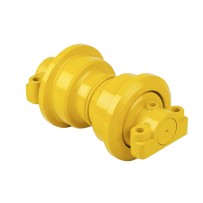
Laufrolle CATERPILLAR D9 N einseitig kante
0 Review(s) 

Single flange track rollers are key components of the crawler undercarriage system, commonly used in construction machinery such as crawler excavators, bulldozers, and other heavy equipment operating in challenging terrain. These rollers play a crucial role in ensuring smooth movement and even weight distribution of the machine on the tracks, which minimizes wear on components and the ground over which the machine travels.

SINGLE FLANGE TRACK ROLLER - DIMENSIONS

Internal width between the roller flanges:

CATERPILLAR TRACK ROLLER - FUNCTION AND CONSTRUCTION

Single flange track rollers, unlike their double flange counterparts, have only one flange that guides the track in the correct line of movement. This flange, located on one side of the roller, interacts with the inner surface of the track links, keeping them in the correct position on the working path. The absence of a second flange on the roller means that this component is typically used in machines with lower loads or in specific working conditions where lateral loads are reduced.

Key elements of the single flange roller construction:

  • Roller body – Made of high wear-resistant steel. Its purpose is to transfer the mass of the machine and working forces.
  • Flange (projection) – One flange placed on one side of the roller, which keeps the track on the correct path. It protects the tracks from slipping off the roller.
  • Bearing – The interior of the roller contains bearings that allow for smooth rotation of the roller under load. The bearings are lubricated and often sealed, minimizing maintenance needs.
  • Seals – The rollers are equipped with special seals that prevent dirt, water, and contaminants from entering, which extends the component's lifespan.

  • Single flange rollers are mainly used in medium and smaller crawler machines that do not experience such high lateral forces as, for example, bulldozers working on steep slopes. Examples of such applications include:
  • Crawler excavators – Especially those operating in moderate terrain conditions, where guiding the track is more important than counteracting lateral forces.
  • Mini excavators and smaller bulldozers – In smaller machines, the weight distributed on the undercarriage is not as great, making single flange rollers sufficiently durable.
  • Machines for transporting aggregates or other crawler devices – These machines often operate in conditions where a lightweight undercarriage and lower lateral loads are required.

SINGLE FLANGE TRACK ROLLER - UF262C1H

The roller shell is made of deep-hardened steel and designed to be resistant to vibrations. Hardness 50 – 58 HRC. Shafts and bearings are designed to reduce friction and wear while ensuring maximum strength. Lubricated for the entire service life to minimize maintenance.

Modern single flange rollers increasingly utilize advanced materials, such as high-strength alloys and modern protective coatings. Among the innovations, the following can be highlighted:

  • Surface hardening – This process increases strength and wear resistance, which is particularly important in conditions of intensive use.
  • Multi-layer seals – Modern sealing systems more effectively protect bearings from contaminants and moisture, resulting in longer component lifespan.

    Single flange track rollers are an essential element of many crawler machines, especially those operating in moderate terrain conditions. Their simpler construction and lower operating costs make them a popular choice for machines with lower lateral loads. However, the selection of appropriate rollers for a machine should always consider specific working conditions, load, and terrain type to ensure optimal performance and longevity of the undercarriage.
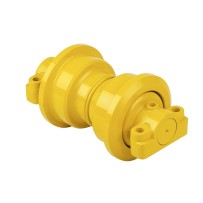
Laufrolle CATERPILLAR 589 einseitig
0 Review(s) 

A single flange track roller is an important component in the crawler undercarriage system, used in construction machines such as crawler excavators, bulldozers, and other heavy equipment operating in challenging terrain. These rollers provide smooth movement and even weight distribution of the machine on the tracks, which helps minimize part wear and reduces the impact on the ground over which the machine moves.

SINGLE FLANGE TRACK ROLLER - DIMENSIONS

Internal width between the roller flanges:

TRACK ROLLER CATERPILLAR - FUNCTION AND CONSTRUCTION

The single flange track roller differs from its double flange counterpart in that it has only one flange, responsible for properly guiding the track. This single flange is located on one side of the roller and works with the inner surface of the track links, allowing them to maintain their proper position. The absence of a second flange means that the track roller is more commonly used in machines operating under lower loads or in conditions where lateral forces are limited.

Key construction elements of the single flange roller:

  • Roller body – Made of high wear-resistant steel. Its purpose is to transfer the machine's mass and working forces.
  • Flange (projection) – One flange located on one side of the roller, which keeps the track on the correct path. It protects the tracks from slipping off the roller.
  • Bearing – The interior of the roller contains bearings that allow for smooth rotation of the roller under load. The bearings are lubricated and often sealed, minimizing maintenance needs.
  • Seals – Rollers are equipped with special seals that prevent dirt, water, and contaminants from entering, extending the component's lifespan.

  • Single flange rollers are primarily used in medium and smaller crawler machines that do not experience as high lateral forces as, for example, bulldozers working on steep slopes. Examples of such applications include:
  • Crawler excavators – Especially those operating in moderate terrain conditions, where guiding the track is more important than counteracting lateral forces.
  • Mini excavators and smaller bulldozers – In smaller machines, the weight distributed on the undercarriage is not as significant, making single flange rollers sufficiently durable.
  • Machines for transporting aggregates or other crawler devices – These machines often operate in conditions where a lightweight undercarriage and lower lateral loads are required.

SINGLE FLANGE TRACK ROLLER - UF262C0H

The roller shell is made of deep-hardened steel and designed to be resistant to vibrations. Hardness 50 – 58 HRC. Shafts and bearings are designed to reduce friction and wear while ensuring maximum strength. Lubricated for the entire service life for minimal maintenance.

Single flange track rollers increasingly utilize modern materials today, such as high-strength metal alloys and innovative protective coatings. Key innovations include:

  • Surface hardening – This technology significantly increases wear resistance and strength, particularly important when working in harsh conditions.
  • Multi-layer seals – Advanced sealing systems offer better protection for bearings against dirt and moisture, extending the lifespan of the rollers.

Single flange track rollers are a key component of many machines moving on tracks, especially those working in moderate terrain conditions. Due to their simplified construction and lower operating costs, they are a popular choice for machines with lower lateral loads. However, it is essential to remember that the selection of appropriate rollers must consider specific working conditions, load levels, and terrain types to ensure optimal efficiency and durability of the undercarriage system.

Laufrolle ATLAS TEREX 2502 einseitig
0 Review(s) 

Single flange track rollers are key components of the crawler undercarriage, commonly used in construction machinery such as crawler excavators, bulldozers, and other heavy equipment operating in challenging terrain. These rollers play a crucial role in ensuring smooth movement and even weight distribution of the machine on the tracks, which minimizes wear on components and the ground over which the machine travels.

SINGLE FLANGE TRACK ROLLER - DIMENSIONS

Internal width between the roller flanges 250 mm

CATERPILLAR TRACK ROLLER - FUNCTION AND CONSTRUCTION

Single flange track rollers, unlike their double flange counterparts, have only one flange that guides the track in the correct line of movement. This flange, located on one side of the roller, interacts with the inner surface of the track links, keeping them in the correct position on the working path. The absence of a second flange on the roller means that this component is typically used in machines with lower loads or in specific working conditions where lateral loads are reduced.

Key elements of the single flange roller construction:

  • Roller body – Made of high wear-resistant steel. Its purpose is to transfer the mass of the machine and working forces.
  • Flange – One flange placed on one side of the roller, which keeps the track on the correct path. It prevents the track from slipping off the roller.
  • Bearing – The interior of the roller contains bearings that allow for smooth rotation of the roller under load. The bearings are lubricated and often sealed, which minimizes maintenance needs.
  • Seals – The rollers are equipped with special seals that prevent dirt, water, and contaminants from entering, extending the component's lifespan.

  • Single flange rollers are mainly used in medium and smaller crawler machines that do not experience such high lateral forces as, for example, bulldozers working on steep slopes. Examples of such applications include:
  • Crawler excavators – Especially those operating in moderate terrain conditions, where guiding the track is more important than counteracting lateral forces.
  • Mini excavators and smaller bulldozers – In smaller machines, the weight distributed on the undercarriage is not as great, making single flange rollers sufficiently durable.
  • Machines for transporting aggregates or other crawler devices – These machines often operate in conditions where a lightweight undercarriage and lower lateral loads are required.

SINGLE FLANGE TRACK ROLLER - UF250E0E

The roller shell is made of deep-hardened steel and designed to be resistant to vibrations. Hardness 50 – 58 HRC. Shafts and bearings are designed to reduce friction and wear while ensuring maximum strength. Lubricated for the entire service life to minimize maintenance.

Modern single flange rollers increasingly utilize advanced materials, such as high-strength alloys and modern protective coatings. Among the innovations, the following can be highlighted:

  • Surface hardening – This process increases strength and wear resistance, which is particularly important in conditions of intensive use.
  • Multi-layer seals – Modern sealing systems more effectively protect bearings from contaminants and moisture, resulting in longer component lifespan.

    Single flange track rollers are an essential element of many crawler machines, especially those operating in moderate terrain conditions. Their simpler construction and lower operating costs make them a popular choice for machines with lower lateral loads. However, the selection of appropriate rollers for a machine should always consider specific working conditions, load, and terrain type to ensure optimal performance and longevity of the undercarriage.
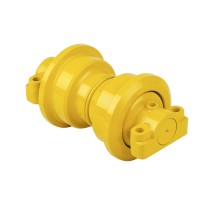
Laufrolle CATERPILLAR 345 B einseitig
0 Review(s) 

A single flange track roller is a crucial component of the crawler undercarriage system, widely used in construction machinery such as crawler excavators, bulldozers, and other heavy vehicles operating in challenging terrain conditions. This roller plays a key role in ensuring the smooth movement of the machine and the even distribution of its weight on the tracks, which contributes to reducing component wear and minimizing the impact on the ground.

SINGLE FLANGE TRACK ROLLER - DIMENSIONS

Internal width between the roller flanges 248 mm

CATERPILLAR TRACK ROLLER - FUNCTION AND CONSTRUCTION

The single flange track roller, unlike the double flange version, has only one flange, which serves to guide the track along a designated path. The flange located on one side of the roller interacts with the inner side of the track links, keeping it on the correct track. The absence of a second flange means that the track roller is typically used in machines with lower loads or in working conditions where there are smaller lateral forces.

Key construction elements of the single flange roller:

  • Roller body – Made of high wear-resistant steel. Its purpose is to transfer the machine's mass and working forces.
  • Flange (projection) – One flange located on one side of the roller, which keeps the track on the correct path. It prevents the track from slipping off the roller.
  • Bearing – The interior of the roller contains bearings that allow for smooth rotation of the roller under load. The bearings are lubricated and often sealed, minimizing maintenance needs.
  • Seals – The rollers are equipped with special seals that prevent dirt, water, and contaminants from entering, which extends the component's lifespan.

  • Single flange rollers are mainly used in crawler machines of medium and smaller sizes, which do not experience as high lateral forces as, for example, bulldozers working on steep slopes. Examples of such applications include:
  • Crawler excavators – Especially those operating in moderate terrain conditions, where guiding the track is more important than counteracting lateral forces.
  • Mini excavators and smaller bulldozers – In smaller machines, the weight distributed on the undercarriage system is not as great, making single flange rollers sufficiently durable.
  • Machines for transporting aggregates or other crawler devices – These machines often operate in conditions where a lightweight undercarriage and lower lateral loads are required.

SINGLE FLANGE TRACK ROLLER - UF248C0E

The roller shell is made of deep-hardened steel and designed to be resistant to vibrations. Hardness 50 – 58 HRC. Shafts and bearings are designed to reduce friction and wear while ensuring maximum strength. Lubricated for the entire service life to minimize maintenance.

Modern single flange track rollers increasingly utilize advanced materials, such as high-strength alloys and modern protective coatings. Among the innovations, the following can be highlighted:

  • Surface hardening – This process increases strength and wear resistance, which is particularly important in conditions of intensive use.
  • Multi-layer seals – Modern sealing systems more effectively protect bearings from contaminants and moisture, resulting in longer component lifespan.

Single flange track rollers are a key element of many crawler machines, especially those operating in moderate terrain conditions. Due to their simpler construction and lower operating costs, they are often chosen for machines exposed to lower lateral loads. Nevertheless, the selection of appropriate rollers for a machine should consider specific working conditions, load levels, and terrain types to ensure maximum efficiency and durability of the undercarriage.

Laufrolle LIEBHERR RL451 einseitig
0 Review(s) 

Single flange track rollers are key components of the crawler undercarriage system, commonly used in construction machinery such as crawler excavators, bulldozers, and other heavy equipment operating in challenging terrain. These rollers play a crucial role in ensuring smooth movement and even weight distribution of the machine on the tracks, which minimizes wear on components and the ground over which the machine travels.

SINGLE FLANGE TRACK ROLLER - DIMENSIONS

Internal width between the roller flanges 247 mm

CATERPILLAR TRACK ROLLER - FUNCTION AND CONSTRUCTION

Single flange track rollers, unlike their double flange counterparts, have only one flange that guides the track in the correct line of movement. This flange, located on one side of the roller, interacts with the inner surface of the track links, keeping them in the correct position on the working path. The absence of a second flange on the roller means that this component is typically used in machines with lower loads or in specific working conditions where lateral loads are reduced.

Key elements of the single flange roller construction:

  • Roller body – Made of high wear-resistant steel. Its purpose is to transfer the machine's mass and working forces.
  • Flange – One flange located on one side of the roller, which keeps the track on the correct path. It protects the tracks from slipping off the roller.
  • Bearing – The interior of the roller contains bearings that allow for smooth rotation of the roller under load. The bearings are lubricated and often sealed, which minimizes maintenance needs.
  • Seals – Rollers are equipped with special seals that prevent dirt, water, and contaminants from entering, extending the component's lifespan.

  • Single flange rollers are mainly used in medium and smaller crawler machines that do not experience as high lateral forces as, for example, bulldozers working on steep slopes. Examples of such applications include:
  • Crawler excavators – Especially those operating in moderate terrain conditions, where guiding the track is more important than counteracting lateral forces.
  • Mini excavators and smaller bulldozers – In smaller machines, the weight distributed on the undercarriage is not as significant, making single flange rollers sufficiently durable.
  • Machines for transporting aggregates or other crawler devices – These machines often operate in conditions where a lightweight undercarriage and lower lateral loads are required.

SINGLE FLANGE TRACK ROLLER - UF247C0T

The roller shell is made of deep-hardened steel and designed to be resistant to vibrations. Hardness 50 – 58 HRC. Shafts and bearings are designed to reduce friction and wear while ensuring maximum strength. Lubricated for the entire service life for minimal maintenance.

Modern single flange rollers increasingly utilize advanced materials, such as high-strength alloys and modern protective coatings. Among the innovations, the following can be highlighted:

  • Surface hardening – This process increases strength and wear resistance, which is particularly important in conditions of intensive use.
  • Multi-layer seals – Modern sealing systems more effectively protect bearings from contaminants and moisture, resulting in longer component lifespan.

    Single flange track rollers are an essential element of many crawler machines, especially those operating in moderate terrain conditions. Their simpler construction and lower operating costs make them a popular choice for machines with lower lateral loads. However, the selection of appropriate rollers for a machine should always consider specific working conditions, load, and terrain type to ensure optimal performance and longevity of the undercarriage.
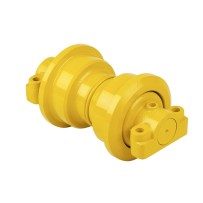
Laufrolle MENCK M500 H einseitig
0 Review(s) 

A single flange track roller is an important component in the crawler undercarriage system, used in construction machines such as crawler excavators, bulldozers, and other heavy equipment operating in challenging terrain. These rollers provide smooth movement and even weight distribution of the machine on the tracks, which helps minimize part wear and reduces the impact on the ground over which the machine moves.

SINGLE FLANGE TRACK ROLLER - DIMENSIONS

Internal width between the roller flanges 246 mm

TRACK ROLLER CATERPILLAR - FUNCTION AND CONSTRUCTION

The single flange track roller differs from its double flange counterpart in that it has only one flange, responsible for properly guiding the track. This single flange is located on one side of the roller and works with the inner surface of the track links, allowing them to maintain their proper position. The absence of a second flange means that the track roller is more commonly used in machines operating under lower loads or in conditions where lateral forces are limited.

Key construction elements of the single flange roller:

  • Roller body – Made of high wear-resistant steel. Its purpose is to transfer the machine's weight and working forces.
  • Flange (projection) – One flange located on one side of the roller, which keeps the track on the correct path. It protects the tracks from slipping off the roller.
  • Bearing – The interior of the roller contains bearings that allow for smooth rotation of the roller under load. The bearings are lubricated and often sealed, minimizing maintenance needs.
  • Seals – Rollers are equipped with special seals that prevent dirt, water, and contaminants from entering, extending the component's lifespan.

  • Single flange rollers are mainly used in medium and smaller crawler machines that do not experience as high lateral forces as, for example, bulldozers working on steep slopes. Examples of such applications include:
  • Crawler excavators – Especially those operating in moderate terrain conditions, where guiding the track is more important than counteracting lateral forces.
  • Mini excavators and smaller bulldozers – In smaller machines, the weight distributed on the undercarriage is not as great, making single flange rollers sufficiently durable.
  • Machines for transporting aggregates or other crawler devices – These machines often operate in conditions where a lightweight undercarriage and lower lateral loads are required.

SINGLE FLANGE TRACK ROLLER - UF246H0E

The roller shell is made of deep-hardened steel and designed to be resistant to vibrations. Hardness 50 – 58 HRC. Shafts and bearings are designed to reduce friction and wear while ensuring maximum strength. Lubricated for the entire service life for minimal maintenance.

Single flange track rollers increasingly utilize modern materials today, such as high-strength metal alloys and innovative protective coatings. Key innovations include:

  • Surface hardening – This technology significantly increases wear resistance and strength, particularly important when working in harsh conditions.
  • Multi-layer seals – Advanced sealing systems offer better protection for bearings against dirt and moisture, extending the lifespan of the rollers.

Single flange track rollers are a key component of many machines moving on tracks, especially those working in moderate terrain conditions. Due to their simplified construction and lower operating costs, they are a popular choice for machines with lower lateral loads. However, it is important to remember that the selection of appropriate rollers must consider specific working conditions, load levels, and terrain types to ensure optimal efficiency and durability of the undercarriage system.

Laufrolle CATERPILLAR 245 einseitig
0 Review(s) 

A single flange track roller is a crucial component of the crawler undercarriage system, widely used in construction machinery such as crawler excavators, bulldozers, and other heavy vehicles operating in challenging terrain conditions. This roller plays a key role in ensuring the smooth movement of the machine and the even distribution of its weight on the tracks, which contributes to reducing component wear and minimizing the impact on the ground.

SINGLE FLANGE TRACK ROLLER - DIMENSIONS

Internal width between the roller flanges 246 mm

CATERPILLAR TRACK ROLLER - FUNCTION AND CONSTRUCTION

The single flange track roller, unlike the double flange version, has only one flange, which serves to guide the track along a designated path. The flange located on one side of the roller interacts with the inner side of the track links, keeping it on the correct track. The absence of a second flange means that the track roller is typically used in machines with lower loads or in working conditions where there are smaller lateral forces.

Key elements of the single flange roller construction:

  • Roller body – Made of high wear-resistant steel. Its purpose is to transfer the machine's mass and working forces.
  • Flange (projection) – One flange located on one side of the roller, which keeps the track on the correct path. It prevents the track from slipping off the roller.
  • Bearing – The interior of the roller contains bearings that allow for smooth rotation of the roller under load. The bearings are lubricated and often sealed, minimizing maintenance needs.
  • Seals – The rollers are equipped with special seals that prevent dirt, water, and contaminants from entering, which extends the component's lifespan.

  • Single flange rollers are mainly used in medium and smaller crawler machines that do not experience such high lateral forces as, for example, bulldozers working on steep slopes. Examples of such applications include:
  • Crawler excavators – Especially those operating in moderate terrain conditions, where guiding the track is more important than counteracting lateral forces.
  • Mini excavators and smaller bulldozers – In smaller machines, the weight distributed on the undercarriage is not as significant, making single flange rollers sufficiently durable.
  • Machines for transporting aggregates or other crawler devices – These machines often operate in conditions where a lightweight undercarriage and lower lateral loads are required.

SINGLE FLANGE TRACK ROLLER - UF246C0E

The roller shell is made of deep-hardened steel and designed to be resistant to vibrations. Hardness 50 – 58 HRC. Shafts and bearings are designed to reduce friction and wear while ensuring maximum strength. Lubricated for the entire service life to minimize maintenance.

Modern single flange track rollers increasingly utilize advanced materials, such as high-strength alloys and modern protective coatings. Among the innovations, the following can be highlighted:

  • Surface hardening – This process increases strength and wear resistance, which is particularly important in conditions of intensive use.
  • Multi-layer seals – Modern sealing systems more effectively protect bearings from contaminants and moisture, resulting in longer component lifespan.

Single flange track rollers are a key element of many crawler machines, especially those operating in moderate terrain conditions. Due to their simpler construction and lower operating costs, they are often chosen for machines exposed to lower lateral loads. Nevertheless, the selection of appropriate rollers for a machine should consider specific working conditions, load levels, and terrain types to ensure maximum efficiency and durability of the undercarriage.

Laufrolle KOMATSU D155 A einseitig laufend
0 Review(s) 

Single flange track rollers are key components of the crawler undercarriage system, commonly used in construction machinery such as crawler excavators, bulldozers, and other heavy equipment operating in challenging terrain. These rollers play a crucial role in ensuring smooth movement and even weight distribution of the machine on the tracks, which minimizes wear on components and the ground over which the machine travels.

SINGLE FLANGE TRACK ROLLER - DIMENSIONS

Internal width between the roller flanges:

CATERPILLAR TRACK ROLLER - FUNCTION AND CONSTRUCTION

Single flange track rollers, unlike their double flange counterparts, have only one flange that guides the track in the correct line of movement. This flange, located on one side of the roller, interacts with the inner surface of the track links, keeping them in the correct position on the working path. The absence of a second flange on the roller means that this component is typically used in machines with lower loads or in specific working conditions where lateral loads are reduced.

Key elements of single flange roller construction:

  • Roller body – Made of high wear-resistant steel. Its purpose is to transfer the mass of the machine and working forces.
  • Flange (projection) – One flange placed on one side of the roller, which keeps the track on the correct path. It protects the tracks from slipping off the roller.
  • Bearing – The interior of the roller contains bearings that allow for smooth rotation of the roller under load. The bearings are lubricated and often sealed, minimizing maintenance needs.
  • Seals – Rollers are equipped with special seals that prevent dirt, water, and contaminants from entering, which extends the component's lifespan.

  • Single flange rollers are mainly used in medium and smaller crawler machines that do not experience such high lateral forces as, for example, bulldozers working on steep slopes. Examples of such applications include:
  • Crawler excavators – Especially those operating in moderate terrain conditions, where guiding the track is more important than counteracting lateral forces.
  • Mini excavators and smaller bulldozers – In smaller machines, the weight distributed on the undercarriage is not as significant, making single flange rollers sufficiently durable.
  • Machines for transporting aggregates or other crawler devices – These machines often operate in conditions where a lightweight undercarriage and lower lateral loads are required.

SINGLE FLANGE TRACK ROLLER - UF245K1H

The roller shell is made of deep-hardened steel and designed to be resistant to vibrations. Hardness 50 – 58 HRC. Shafts and bearings are designed to reduce friction and wear while ensuring maximum strength. Lubricated for the entire service life to minimize maintenance.

Modern single flange rollers increasingly utilize advanced materials, such as high-strength alloys and modern protective coatings. Among the innovations, the following can be highlighted:

  • Surface hardening – This process increases strength and wear resistance, which is particularly important in conditions of intensive use.
  • Multi-layer seals – Modern sealing systems more effectively protect bearings from contaminants and moisture, resulting in longer component lifespan.

    Single flange track rollers are an essential element of many crawler machines, especially those operating in moderate terrain conditions. Their simpler construction and lower operating costs make them a popular choice for machines with lower lateral loads. However, the selection of appropriate rollers for a machine should always consider specific working conditions, load, and terrain type to ensure optimal performance and longevity of the undercarriage.
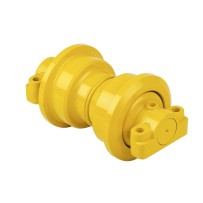
Laufrolle SHANTUI SD32 einseitig
0 Review(s) 

Rolka jezdna jednokrawędziowa (ang. single flange track roller) jest ważnym komponentem w systemie podwozia gąsienicowego, używanym w maszynach budowlanych, takich jak koparki gąsienicowe, spycharki oraz inne ciężkie maszyny, które operują na trudnym terenie. Rolki te zapewniają płynny ruch i równomierny rozkład ciężaru maszyny na gąsienice, co pomaga zminimalizować zużycie części oraz zmniejsza oddziaływanie na podłoże, po którym maszyna się porusza.

ROLKA JEZDNA JEDNOKRAWĘDZIOWA - WYMIARY

Szerokość wewnętrzna pomiędzy kołnierzami rolki 244 mm

ROLKA JEZDNA CATERPILLAR - FUNKCJA I BUDOWA

Rolka jezdna jednokrawędziowa różni się od swojego dwukrawędziowego odpowiednika tym, że ma tylko jedną flanszę, odpowiedzialną za prawidłowe prowadzenie gąsienicy. Ta pojedyncza flansza znajduje się z jednej strony rolki i współpracuje z wewnętrzną powierzchnią ogniw gąsienicy, co pozwala na utrzymanie ich we właściwej pozycji. Brak drugiej flanszy oznacza, że rolka jezdna jest częściej stosowana w maszynach pracujących pod mniejszym obciążeniem lub w warunkach, gdzie siły boczne są ograniczone.

Kluczowe elementy budowy rolki jednokrawędziowej:

  • Korpus rolki – Wykonany ze stali o wysokiej wytrzymałości na ścieranie. Ma za zadanie przenoszenie masy maszyny oraz sił roboczych.
  • Flansza (wypustka) – Jedna flansza umieszczona po jednej stronie rolki, która utrzymuje gąsienicę na właściwym torze. Chroni gąsienice przed zsunięciem się z rolki.
  • Łożyskowanie – Wnętrze rolki zawiera łożyska, które umożliwiają płynne obracanie się rolki pod obciążeniem. Łożyska są smarowane i często zapieczętowane, co minimalizuje potrzebę konserwacji.
  • Uszczelnienia – Rolki wyposażone są w specjalne uszczelnienia zapobiegające przedostawaniu się brudu, wody i zanieczyszczeń, co przedłuża żywotność komponentu.

  • Rolki jednokrawędziowe znajdują zastosowanie głównie w maszynach gąsienicowych o średnich i mniejszych gabarytach, które nie podlegają tak wysokim siłom bocznym jak np. spycharki pracujące na stromych nachyleniach. Przykłady takich zastosowań to:
  • Koparki gąsienicowe – Szczególnie te pracujące w średnich warunkach terenowych, gdzie ważniejsze jest prowadzenie gąsienicy niż przeciwdziałanie siłom bocznym.
  • Mini koparki i mniejsze spycharki – W mniejszych maszynach ciężar rozłożony na układ podwozia nie jest tak duży, co sprawia, że rolki jednokrawędziowe są wystarczająco wytrzymałe.
  • Maszyny do transportu kruszywa lub inne urządzenia gąsienicowe – Te maszyny często poruszają się w warunkach, gdzie potrzebna jest lekkość układu podwozia i mniejsze obciążenia boczne.

ROLKA JEZDNA JEDNOKRAWĘDZIOWA - UF244K0T

Płaszcz rolki z głęboko hartowanej stali i zaprojektowany tak, aby był odporny na drgania. Hartowanie 50 – 58 HRC. Wały i łożyska są zaprojektowane tak, aby zmniejszyć tarcie i zużycie oraz zapewnić maksymalną wytrzymałość. Smarowane na cały okres eksploatacji w celu minimalnej konserwacji.

Rolki jezdne jednokrawędziowe w dzisiejszych czasach coraz częściej korzystają z nowoczesnych materiałów, takich jak stopy metali o wysokiej wytrzymałości oraz innowacyjne powłoki ochronne. Do najważniejszych innowacji należą:

  • Hartowanie powierzchniowe – Technologia ta znacząco zwiększa odporność na ścieranie i wytrzymałość, szczególnie ważne podczas pracy w trudnych warunkach.
  • Uszczelnienia wielowarstwowe – Zaawansowane systemy uszczelnień oferują lepszą ochronę łożysk przed zabrudzeniami oraz wilgocią, co wydłuża okres eksploatacji rolek.

Rolki jezdne jednokrawędziowe są kluczowym komponentem wielu maszyn poruszających się na gąsienicach, zwłaszcza tych, które pracują w umiarkowanych warunkach terenowych. Dzięki swojej uproszczonej budowie i niższym kosztom eksploatacyjnym, stanowią popularny wybór dla maszyn o mniejszych obciążeniach bocznych. Należy jednak pamiętać, że wybór odpowiednich rolek musi uwzględniać konkretne warunki robocze, poziom obciążenia i typ terenu, aby zapewnić optymalną efektywność i trwałość systemu podwozia.

Laufrolle DRESSTA TD25 E einseitig mit...
0 Review(s) 

Single flange track rollers are key components of the crawler undercarriage system, commonly used in construction machinery such as crawler excavators, bulldozers, and other heavy equipment operating in challenging terrain. These rollers play a crucial role in ensuring smooth movement and even weight distribution of the machine on the tracks, which minimizes wear on components and the ground over which the machine travels.

SINGLE FLANGE TRACK ROLLER - DIMENSIONS

Internal width between the roller flanges 244 mm

TRACK ROLLER CATERPILLAR - FUNCTION AND CONSTRUCTION

Single flange track rollers, unlike their double flange counterparts, have only one flange that guides the track in the correct line of movement. This flange, located on one side of the roller, interacts with the inner surface of the track links, keeping them in the correct position on the working path. The absence of a second flange on the roller means that this component is typically used in machines with lower loads or in specific working conditions where lateral load is reduced.

Key elements of the single flange roller construction:

  • Roller body – Made of high wear-resistant steel. Its purpose is to transfer the mass of the machine and working forces.
  • Flange – One flange placed on one side of the roller, which keeps the track on the correct path. It protects the tracks from slipping off the roller.
  • Bearing – The interior of the roller contains bearings that allow for smooth rotation of the roller under load. The bearings are lubricated and often sealed, which minimizes maintenance needs.
  • Seals – The rollers are equipped with special seals that prevent dirt, water, and contaminants from entering, extending the component's lifespan.

  • Single flange rollers are mainly used in medium and smaller crawler machines that do not experience such high lateral forces as, for example, bulldozers working on steep slopes. Examples of such applications include:
  • Crawler excavators – Especially those operating in moderate terrain conditions, where guiding the track is more important than countering lateral forces.
  • Mini excavators and smaller bulldozers – In smaller machines, the weight distributed on the undercarriage is not as significant, making single flange rollers sufficiently durable.
  • Machines for transporting aggregates or other crawler devices – These machines often operate in conditions where a lightweight undercarriage and lower lateral loads are required.

SINGLE FLANGE TRACK ROLLER - UF244D0T

The roller shell is made of deep-hardened steel and designed to be resistant to vibrations. Hardness 50 – 58 HRC. Shafts and bearings are designed to reduce friction and wear while ensuring maximum strength. Lubricated for the entire service life to minimize maintenance.

Modern single flange rollers increasingly utilize advanced materials, such as high-strength alloys and modern protective coatings. Among the innovations, the following can be highlighted:

  • Surface hardening – This process increases strength and wear resistance, which is particularly important in conditions of intensive use.
  • Multi-layer seals – Modern sealing systems more effectively protect bearings from contaminants and moisture, resulting in longer component lifespan.

    Single flange track rollers are an essential element of many crawler machines, especially those operating in moderate terrain conditions. Their simpler construction and lower operating costs make them a popular choice for machines with lower lateral loads. However, the selection of appropriate rollers for a machine should always consider specific working conditions, load, and terrain type to ensure optimal performance and longevity of the undercarriage.
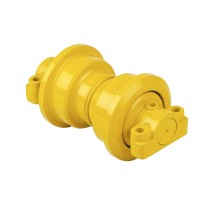
Laufrolle CATERPILLAR 583 E einseitig gezahnt
0 Review(s) 

A single flange track roller is an important component in the crawler undercarriage system, used in construction machinery such as crawler excavators, bulldozers, and other heavy equipment operating in challenging terrain. These rollers provide smooth movement and even weight distribution of the machine on the tracks, which helps minimize part wear and reduces the impact on the ground over which the machine moves.

SINGLE FLANGE TRACK ROLLER - DIMENSIONS

Internal width between the roller flanges 243 mm

TRACK ROLLER CATERPILLAR - FUNCTION AND CONSTRUCTION

The single flange track roller differs from its double flange counterpart in that it has only one flange, responsible for properly guiding the track. This single flange is located on one side of the roller and works with the inner surface of the track links, allowing them to maintain their proper position. The absence of a second flange means that the track roller is more commonly used in machines operating under lower loads or in conditions where lateral forces are limited.

Key components of the single flange roller construction:

  • Roller body – Made of high wear-resistant steel. Its purpose is to transfer the machine's mass and working forces.
  • Flange (projection) – One flange placed on one side of the roller, which keeps the track on the correct path. It protects the tracks from slipping off the roller.
  • Bearing – The interior of the roller contains bearings that allow for smooth rotation of the roller under load. The bearings are lubricated and often sealed, minimizing maintenance needs.
  • Seals – Rollers are equipped with special seals that prevent dirt, water, and contaminants from entering, extending the component's lifespan.

  • Single flange rollers are mainly used in medium and smaller crawler machines that do not experience as high lateral forces as, for example, bulldozers working on steep slopes. Examples of such applications include:
  • Crawler excavators – Especially those operating in moderate terrain conditions, where guiding the track is more important than countering lateral forces.
  • Mini excavators and smaller bulldozers – In smaller machines, the weight distributed on the undercarriage system is not as great, making single flange rollers sufficiently durable.
  • Machines for transporting aggregates or other crawler devices – These machines often operate in conditions where a lightweight undercarriage and lower lateral loads are required.

SINGLE FLANGE TRACK ROLLER - UF243C0T

The roller shell is made of deep-hardened steel and designed to be resistant to vibrations. Hardness 50 – 58 HRC. Shafts and bearings are designed to reduce friction and wear while ensuring maximum strength. Lubricated for the entire service life for minimal maintenance.

Single flange track rollers increasingly utilize modern materials today, such as high-strength metal alloys and innovative protective coatings. Key innovations include:

  • Surface hardening – This technology significantly increases wear resistance and strength, particularly important when working in harsh conditions.
  • Multi-layer seals – Advanced sealing systems offer better protection for bearings against dirt and moisture, extending the lifespan of the rollers.

Single flange track rollers are a key component of many machines moving on tracks, especially those working in moderate terrain conditions. Due to their simplified construction and lower operating costs, they are a popular choice for machines with lower lateral loads. However, it is essential to remember that the selection of appropriate rollers must consider specific working conditions, load levels, and terrain types to ensure optimal efficiency and durability of the undercarriage system.

Einlaufrolle CNH D350 einseitig
0 Review(s) 

A single flange track roller is a crucial component of the crawler undercarriage system, widely used in construction machinery such as crawler excavators, bulldozers, and other heavy vehicles operating in challenging terrain conditions. This roller plays a key role in ensuring the smooth movement of the machine and the even distribution of its weight on the tracks, which contributes to reducing component wear and minimizing the impact on the ground.

SINGLE FLANGE TRACK ROLLER - DIMENSIONS

Internal width between the roller flanges 232 mm

TRACK ROLLER CATERPILLAR - FUNCTION AND CONSTRUCTION

The single flange track roller, unlike the double flange version, has only one flange, which serves to guide the track along a designated path. The flange located on one side of the roller interacts with the inner side of the track links, keeping it on the correct track. The absence of a second flange means that the track roller is typically used in machines with lower loads or in working conditions where there are smaller lateral forces.

Key construction elements of the single flange roller:

  • Roller body – Made of high wear-resistant steel. Its purpose is to transfer the machine's mass and working forces.
  • Flange (projection) – One flange located on one side of the roller, which keeps the track on the correct path. It prevents the track from slipping off the roller.
  • Bearing – The interior of the roller contains bearings that allow for smooth rotation of the roller under load. The bearings are lubricated and often sealed, minimizing maintenance needs.
  • Seals – The rollers are equipped with special seals that prevent dirt, water, and contaminants from entering, which extends the component's lifespan.

  • Single flange rollers are mainly used in crawler machines of medium and smaller sizes, which do not experience as high lateral forces as, for example, bulldozers working on steep slopes. Examples of such applications include:
  • Crawler excavators – Especially those operating in moderate terrain conditions, where guiding the track is more important than counteracting lateral forces.
  • Mini excavators and smaller bulldozers – In smaller machines, the weight distributed on the undercarriage is not as great, making single flange rollers sufficiently durable.
  • Machines for transporting aggregates or other crawler devices – These machines often operate in conditions where a lightweight undercarriage and lower lateral loads are required.

SINGLE FLANGE TRACK ROLLER - UF232F0T

The roller shell is made of deep-hardened steel and designed to be resistant to vibrations. Hardness 50 – 58 HRC. Shafts and bearings are designed to reduce friction and wear while ensuring maximum strength. Lubricated for the entire service life for minimal maintenance.

Modern single flange track rollers increasingly utilize advanced materials, such as high-strength alloys and modern protective coatings. Among the innovations, the following can be highlighted:

  • Surface hardening – This process increases strength and wear resistance, which is particularly important in conditions of intensive use.
  • Multi-layer seals – Modern sealing systems more effectively protect bearings from contaminants and moisture, resulting in longer component lifespan.

Single flange track rollers are a key element of many crawler machines, especially those operating in moderate terrain conditions. Due to their simpler construction and lower operating costs, they are often chosen for machines exposed to lower lateral loads. Nevertheless, the selection of appropriate rollers for a machine should consider specific working conditions, load levels, and terrain types to ensure maximum efficiency and durability of the undercarriage.

Laufrolle LIEBHERR RL52 einseitig
0 Review(s) 

Single flange track rollers are key components of the crawler undercarriage, commonly used in construction machinery such as crawler excavators, bulldozers, and other heavy equipment operating in challenging terrain. These rollers play a crucial role in ensuring smooth movement and even weight distribution of the machine on the tracks, which minimizes wear on components and the ground over which the machine travels.

SINGLE FLANGE TRACK ROLLER - DIMENSIONS

Internal width between the roller flanges:

CATERPILLAR TRACK ROLLER - FUNCTION AND CONSTRUCTION

Single flange track rollers, unlike their double flange counterparts, have only one flange that guides the track in the correct line of movement. This flange, located on one side of the roller, interacts with the inner surface of the track links, keeping them in the correct position on the working path. The absence of a second flange on the roller means that this component is typically used in machines with lower loads or in specific working conditions where lateral loads are reduced.

Key elements of single flange roller construction:

  • Roller body – Made of high wear-resistant steel. Its purpose is to transfer the mass of the machine and working forces.
  • Flange (projection) – One flange placed on one side of the roller, which keeps the track on the correct path. It protects the tracks from slipping off the roller.
  • Bearing – The interior of the roller contains bearings that allow for smooth rotation of the roller under load. The bearings are lubricated and often sealed, minimizing maintenance needs.
  • Seals – Rollers are equipped with special seals that prevent dirt, water, and contaminants from entering, extending the component's lifespan.

  • Single flange rollers are mainly used in medium and smaller crawler machines that do not experience such high lateral forces as, for example, bulldozers working on steep slopes. Examples of such applications include:
  • Crawler excavators – Especially those operating in moderate terrain conditions, where guiding the track is more important than counteracting lateral forces.
  • Mini excavators and smaller bulldozers – In smaller machines, the weight distributed on the undercarriage is not as great, making single flange rollers sufficiently durable.
  • Machines for transporting aggregates or other crawler devices – These machines often operate in conditions where a lightweight undercarriage and lower lateral loads are required.

SINGLE FLANGE TRACK ROLLER - UF232C0H

The roller shell is made of deep-hardened steel and designed to be resistant to vibrations. Hardness 50 – 58 HRC. Shafts and bearings are designed to reduce friction and wear while ensuring maximum strength. Lubricated for the entire service life to minimize maintenance.

Modern single flange rollers increasingly utilize advanced materials, such as high-strength alloys and modern protective coatings. Among the innovations, the following can be highlighted:

  • Surface hardening – This process increases strength and wear resistance, which is particularly important in conditions of intensive use.
  • Multi-layer seals – Modern sealing systems more effectively protect bearings from contaminants and moisture, resulting in longer component lifespan.

    Single flange track rollers are an essential element of many crawler machines, especially those operating in moderate terrain conditions. Their simpler construction and lower operating costs make them a popular choice for machines with lower lateral loads. However, the selection of appropriate rollers for a machine should always consider specific working conditions, load, and terrain type to ensure optimal performance and longevity of the undercarriage.
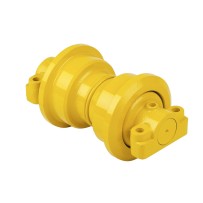
Laufrolle CATERPILLAR D8 L einseitig gerillt
0 Review(s) 

A single flange track roller is an important component in the crawler undercarriage system, used in construction machines such as crawler excavators, bulldozers, and other heavy equipment operating in challenging terrain. These rollers provide smooth movement and even weight distribution of the machine on the tracks, which helps minimize part wear and reduces the impact on the ground over which the machine moves.

SINGLE FLANGE TRACK ROLLER - DIMENSIONS

Internal width between the roller flanges:

TRACK ROLLER CATERPILLAR - FUNCTION AND CONSTRUCTION

The single flange track roller differs from its double flange counterpart in that it has only one flange, responsible for properly guiding the track. This single flange is located on one side of the roller and works with the inner surface of the track links, allowing them to maintain their proper position. The absence of a second flange means that the track roller is more commonly used in machines operating under lower loads or in conditions where lateral forces are limited.

Key construction elements of the single flange roller:

  • Roller body – Made of high wear-resistant steel. Its purpose is to transfer the machine's mass and working forces.
  • Flange (projection) – One flange located on one side of the roller, which keeps the track on the correct path. It protects the tracks from slipping off the roller.
  • Bearing – The interior of the roller contains bearings that allow for smooth rotation of the roller under load. The bearings are lubricated and often sealed, minimizing maintenance needs.
  • Seals – Rollers are equipped with special seals that prevent dirt, water, and contaminants from entering, extending the component's lifespan.

  • Single flange rollers are mainly used in medium and smaller crawler machines that do not experience as high lateral forces as, for example, bulldozers working on steep slopes. Examples of such applications include:
  • Crawler excavators – Especially those operating in moderate terrain conditions, where guiding the track is more important than counteracting lateral forces.
  • Mini excavators and smaller bulldozers – In smaller machines, the weight distributed on the undercarriage system is not as great, making single flange rollers sufficiently durable.
  • Machines for transporting aggregates or other crawler devices – These machines often operate in conditions where a lightweight undercarriage and lower lateral loads are required.

SINGLE FLANGE TRACK ROLLER - UF226C0H

The roller shell is made of deep-hardened steel and designed to be resistant to vibrations. Hardness 50 – 58 HRC. Shafts and bearings are designed to reduce friction and wear while ensuring maximum strength. Lubricated for the entire service life to minimize maintenance.

Single flange track rollers increasingly utilize modern materials today, such as high-strength metal alloys and innovative protective coatings. Key innovations include:

  • Surface hardening – This technology significantly increases wear resistance and strength, particularly important when working in harsh conditions.
  • Multi-layer seals – Advanced sealing systems offer better protection for bearings against dirt and moisture, extending the lifespan of the rollers.

Single flange track rollers are a key component of many machines moving on tracks, especially those working in moderate terrain conditions. Due to their simplified construction and lower operating costs, they are a popular choice for machines with lower lateral loads. However, it is important to remember that the selection of appropriate rollers must consider specific working conditions, load levels, and terrain types to ensure optimal efficiency and durability of the undercarriage system.

Laufrolle CASE CX490 C einschneidig
0 Review(s) 

A single flange track roller is a crucial component of the crawler undercarriage system, widely used in construction machinery such as crawler excavators, bulldozers, and other heavy vehicles operating in challenging terrain conditions. This roller plays a key role in ensuring the smooth movement of the machine and the even distribution of its weight on the tracks, which contributes to reducing component wear and minimizing the impact on the ground.

SINGLE FLANGE TRACK ROLLER - DIMENSIONS

Internal width between the roller flanges 223 mm

CATERPILLAR TRACK ROLLER - FUNCTION AND CONSTRUCTION

The single flange track roller, unlike the double flange version, has only one flange, which serves to guide the track along a designated path. The flange located on one side of the roller interacts with the inner side of the track links, keeping it on the correct track. The absence of a second flange means that the track roller is typically used in machines with lower loads or in working conditions where there are smaller lateral forces.

Key elements of the single flange roller construction:

  • Roller body – Made of high wear-resistant steel. Its purpose is to transfer the machine's mass and working forces.
  • Flange (projection) – One flange located on one side of the roller, which keeps the track on the correct path. It protects the track from slipping off the roller.
  • Bearing – The interior of the roller contains bearings that allow for smooth rotation of the roller under load. The bearings are lubricated and often sealed, minimizing maintenance needs.
  • Seals – The rollers are equipped with special seals that prevent dirt, water, and contaminants from entering, which extends the component's lifespan.

  • Single flange rollers are mainly used in crawler machines of medium and smaller sizes, which do not experience such high lateral forces as, for example, bulldozers working on steep slopes. Examples of such applications include:
  • Crawler excavators – Especially those operating in moderate terrain conditions, where guiding the track is more important than countering lateral forces.
  • Mini excavators and smaller bulldozers – In smaller machines, the weight distributed on the undercarriage is not as significant, making single flange rollers sufficiently durable.
  • Machines for transporting aggregates or other crawler devices – These machines often operate in conditions where a lightweight undercarriage and lower lateral loads are required.

SINGLE FLANGE TRACK ROLLER - UF223R0E

The roller shell is made of deep-hardened steel and designed to be resistant to vibrations. Hardness 50 – 58 HRC. Shafts and bearings are designed to reduce friction and wear while ensuring maximum strength. Lubricated for the entire service life to minimize maintenance.

Modern single flange track rollers increasingly utilize advanced materials, such as high-strength alloys and modern protective coatings. Among the innovations, the following can be highlighted:

  • Surface hardening – This process increases strength and wear resistance, which is particularly important in conditions of intensive use.
  • Multi-layer seals – Modern sealing systems more effectively protect bearings from contaminants and moisture, resulting in longer component lifespan.

Single flange track rollers are a key element of many crawler machines, especially those operating in moderate terrain conditions. Due to their simpler construction and lower operating costs, they are often chosen for machines exposed to lower lateral loads. Nevertheless, the selection of appropriate rollers for a machine should consider specific working conditions, load levels, and terrain types to ensure maximum efficiency and durability of the undercarriage.

Laufrolle SIMIT FE45 einseitig bündig
0 Review(s) 

Single flange track rollers are key components of the crawler undercarriage system, commonly used in construction machinery such as crawler excavators, bulldozers, and other heavy equipment operating in challenging terrain. These rollers play a crucial role in ensuring smooth movement and even weight distribution of the machine on the tracks, which minimizes wear on components and the ground over which the machine travels.

SINGLE FLANGE TRACK ROLLER - DIMENSIONS

Internal width between the roller flanges is 223 mm

CATERPILLAR TRACK ROLLER - FUNCTION AND CONSTRUCTION

Single flange track rollers, unlike their double flange counterparts, have only one flange that guides the track in the correct line of movement. This flange, located on one side of the roller, interacts with the inner surface of the track links, keeping them in the correct position on the working path. The absence of a second flange on the roller means that this component is typically used in machines with lower loads or in specific working conditions where lateral loads are reduced.

Key elements of the single flange roller construction:

  • Roller body – Made of high wear-resistant steel. Its purpose is to transfer the mass of the machine and working forces.
  • Flange – One flange placed on one side of the roller, which keeps the track on the correct path. It prevents the track from slipping off the roller.
  • Bearing – The interior of the roller contains bearings that allow for smooth rotation of the roller under load. The bearings are lubricated and often sealed, which minimizes maintenance needs.
  • Seals – The rollers are equipped with special seals that prevent dirt, water, and contaminants from entering, extending the component's lifespan.

  • Single flange rollers are mainly used in medium and smaller crawler machines that do not experience as high lateral forces as, for example, bulldozers working on steep slopes. Examples of such applications include:
  • Crawler excavators – Especially those operating in moderate terrain conditions, where guiding the track is more important than counteracting lateral forces.
  • Mini excavators and smaller bulldozers – In smaller machines, the weight distributed on the undercarriage is not as significant, making single flange rollers sufficiently durable.
  • Machines for transporting aggregates or other crawler devices – These machines often operate in conditions where a lightweight undercarriage and lower lateral loads are required.

SINGLE FLANGE TRACK ROLLER - UF223F0T

The roller shell is made of deep-hardened steel and designed to be resistant to vibrations. Hardness 50 – 58 HRC. Shafts and bearings are designed to reduce friction and wear while ensuring maximum strength. Lubricated for the entire service life to minimize maintenance.

Modern single flange rollers increasingly utilize advanced materials, such as high-strength alloys and modern protective coatings. Among the innovations, the following can be highlighted:

  • Surface hardening – This process increases strength and wear resistance, which is particularly important in conditions of intensive use.
  • Multi-layer seals – Modern sealing systems more effectively protect bearings from contaminants and moisture, resulting in longer component lifespan.

    Single flange track rollers are an essential element of many crawler machines, especially those operating in moderate terrain conditions. Their simpler construction and lower operating costs make them a popular choice for machines with lower lateral loads. However, the selection of appropriate rollers for a machine should always consider specific working conditions, load, and terrain type to ensure optimal performance and longevity of the undercarriage.
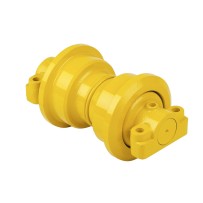
Laufrolle DRESSTA TD20 H einseitig laufend
0 Review(s) 

A single flange track roller is an important component in the crawler undercarriage system, used in construction machines such as crawler excavators, bulldozers, and other heavy equipment operating in challenging terrain. These rollers provide smooth movement and even weight distribution of the machine on the tracks, which helps minimize part wear and reduces the impact on the ground over which the machine moves.

SINGLE FLANGE TRACK ROLLER - DIMENSIONS

Internal width between the roller flanges 223 mm

TRACK ROLLER CATERPILLAR - FUNCTION AND CONSTRUCTION

A single flange track roller differs from its double flange counterpart in that it has only one flange, responsible for properly guiding the track. This single flange is located on one side of the roller and works with the inner surface of the track links, allowing them to maintain their proper position. The absence of a second flange means that the track roller is more commonly used in machines operating under lower loads or in conditions where lateral forces are limited.

Key construction elements of the single flange roller:

  • Roller body – Made of high wear-resistant steel. Its purpose is to transfer the machine's mass and working forces.
  • Flange (projection) – One flange located on one side of the roller, which keeps the track on the correct path. It protects the tracks from slipping off the roller.
  • Bearing – The interior of the roller contains bearings that allow for smooth rotation of the roller under load. The bearings are lubricated and often sealed, minimizing maintenance needs.
  • Seals – Rollers are equipped with special seals that prevent dirt, water, and contaminants from entering, extending the component's lifespan.

  • Single flange rollers are primarily used in medium and smaller crawler machines that do not experience as high lateral forces as, for example, bulldozers working on steep slopes. Examples of such applications include:
  • Crawler excavators – Especially those operating in moderate terrain conditions, where guiding the track is more important than counteracting lateral forces.
  • Mini excavators and smaller bulldozers – In smaller machines, the weight distributed on the undercarriage is not as great, making single flange rollers sufficiently durable.
  • Machines for transporting aggregates or other crawler devices – These machines often operate in conditions where a lightweight undercarriage and lower lateral loads are required.

SINGLE FLANGE TRACK ROLLER - UF223D0T

The roller shell is made of deep-hardened steel and designed to be resistant to vibrations. Hardness 50 – 58 HRC. Shafts and bearings are designed to reduce friction and wear while ensuring maximum strength. Lubricated for the entire service life for minimal maintenance.

Single flange track rollers increasingly utilize modern materials today, such as high-strength metal alloys and innovative protective coatings. Key innovations include:

  • Surface hardening – This technology significantly increases wear resistance and strength, particularly important when working in harsh conditions.
  • Multi-layer seals – Advanced sealing systems offer better protection for bearings against dirt and moisture, extending the lifespan of the rollers.

Single flange track rollers are a key component of many machines moving on tracks, especially those working in moderate terrain conditions. Due to their simplified construction and lower operating costs, they are a popular choice for machines with lower lateral loads. However, it is important to remember that the selection of appropriate rollers must consider specific working conditions, load levels, and terrain types to ensure optimal efficiency and durability of the undercarriage system.

Einzahnige Laufrolle SUMITOMO SH330
0 Review(s) 

A single flange track roller is a crucial component of the crawler undercarriage system, widely used in construction machinery such as crawler excavators, bulldozers, and other heavy vehicles operating in challenging terrain conditions. This roller plays a key role in ensuring the smooth movement of the machine and the even distribution of its weight on the tracks, which contributes to reducing component wear and minimizing the impact on the ground.

SINGLE FLANGE TRACK ROLLER - DIMENSIONS

Internal width between the roller flanges 216 mm

SINGLE FLANGE TRACK ROLLER - FUNCTION AND CONSTRUCTION

The single flange track roller, unlike the double flange version, has only one flange, which serves to guide the track along a designated path. The flange located on one side of the roller interacts with the inner side of the track links, keeping it on the correct track. The absence of a second flange means that the track roller is typically used in machines with lower loads or in working conditions where there are smaller lateral forces.

Key elements of the single flange roller construction:

  • Roller body – Made of high wear-resistant steel. Its purpose is to transfer the machine's weight and working forces.
  • Flange (projection) – One flange located on one side of the roller, which keeps the track on the correct path. It prevents the track from slipping off the roller.
  • Bearing – The interior of the roller contains bearings that allow for smooth rotation of the roller under load. The bearings are lubricated and often sealed, minimizing maintenance needs.
  • Seals – The rollers are equipped with special seals that prevent dirt, water, and contaminants from entering, which extends the component's lifespan.

  • Single flange rollers are mainly used in medium and smaller crawler machines that do not experience such high lateral forces as, for example, bulldozers working on steep slopes. Examples of such applications include:
  • Crawler excavators – Especially those operating in moderate terrain conditions, where guiding the track is more important than counteracting lateral forces.
  • Mini excavators and smaller bulldozers – In smaller machines, the weight distributed on the undercarriage system is not as high, making single flange rollers sufficiently durable.
  • Machines for transporting aggregates or other crawler devices – These machines often operate in conditions where a lightweight undercarriage and lower lateral loads are required.

SINGLE FLANGE TRACK ROLLER - UF216R0E

The roller shell is made of deep-hardened steel and designed to be resistant to vibrations. Hardness 50 – 58 HRC. The shafts and bearings are designed to reduce friction and wear while ensuring maximum strength. Lubricated for the entire service life to minimize maintenance.

Modern single flange track rollers increasingly utilize advanced materials, such as high-strength alloys and modern protective coatings. Among the innovations, the following can be highlighted:

  • Surface hardening – This process increases strength and wear resistance, which is particularly important in conditions of intensive use.
  • Multi-layer seals – Modern sealing systems more effectively protect bearings from contaminants and moisture, resulting in longer component lifespan.

Single flange track rollers are a key element of many crawler machines, especially those operating in moderate terrain conditions. Due to their simpler construction and lower operating costs, they are often chosen for machines exposed to lower lateral loads. Nevertheless, the selection of appropriate rollers for a machine should consider specific working conditions, load levels, and terrain types to ensure maximum efficiency and durability of the undercarriage.

Laufrolle KOMATSU PC490 einseitig
0 Review(s) 

Single flange track rollers are key components of the crawler undercarriage system, commonly used in construction machinery such as crawler excavators, bulldozers, and other heavy equipment operating in challenging terrain. These rollers play a crucial role in ensuring smooth movement and even weight distribution of the machine on the tracks, which minimizes wear on components and the ground over which the machine travels.

SINGLE FLANGE TRACK ROLLER - DIMENSIONS

Internal width between the roller flanges 216 mm

CATERPILLAR TRACK ROLLER - FUNCTION AND CONSTRUCTION

Single flange track rollers, unlike their double flange counterparts, have only one flange that guides the track in the correct line of movement. This flange, located on one side of the roller, interacts with the inner surface of the track links, keeping them in the correct position on the working path. The absence of a second flange on the roller means that this component is typically used in machines with lower loads or in specific working conditions where lateral load is reduced.

Key elements of the single flange roller construction:

  • Roller body – Made of high wear-resistant steel. Its purpose is to transfer the weight of the machine and working forces.
  • Flange – One flange placed on one side of the roller, which keeps the track on the correct path. It prevents the track from slipping off the roller.
  • Bearing – The interior of the roller contains bearings that allow for smooth rotation of the roller under load. The bearings are lubricated and often sealed, minimizing maintenance needs.
  • Seals – The rollers are equipped with special seals that prevent dirt, water, and contaminants from entering, which extends the component's lifespan.

  • Single flange rollers are mainly used in medium and smaller crawler machines that do not experience such high lateral forces as, for example, bulldozers working on steep slopes. Examples of such applications include:
  • Crawler excavators – Especially those operating in moderate terrain conditions, where guiding the track is more important than counteracting lateral forces.
  • Mini excavators and smaller bulldozers – In smaller machines, the weight distributed on the undercarriage is not as high, making single flange rollers sufficiently durable.
  • Machines for transporting aggregates or other crawler devices – These machines often operate in conditions where a lightweight undercarriage and lower lateral loads are required.

SINGLE FLANGE TRACK ROLLER - UF216K0E

The roller shell is made of deep-hardened steel and designed to be resistant to vibrations. Hardness 50 – 58 HRC. Shafts and bearings are designed to reduce friction and wear while ensuring maximum strength. Lubricated for the entire service life to minimize maintenance.

Modern single flange rollers increasingly utilize advanced materials, such as high-strength alloys and modern protective coatings. Among the innovations, the following can be highlighted:

  • Surface hardening – This process increases strength and wear resistance, which is particularly important in conditions of intensive use.
  • Multi-layer seals – Modern sealing systems more effectively protect bearings from contaminants and moisture, resulting in longer component lifespan.

    Single flange track rollers are an essential element of many crawler machines, especially those operating in moderate terrain conditions. Their simpler construction and lower operating costs make them a popular choice for machines with lower lateral loads. However, the selection of appropriate rollers for a machine should always consider specific working conditions, load, and terrain type to ensure optimal performance and longevity of the undercarriage.
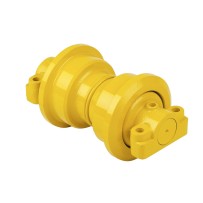
Laufrolle FIAT-KOBELCO E485 einseitig...
0 Review(s) 

A single flange track roller is an important component in the crawler undercarriage system, used in construction machines such as crawler excavators, bulldozers, and other heavy equipment operating in challenging terrain. These rollers provide smooth movement and even weight distribution of the machine on the tracks, which helps minimize part wear and reduces the impact on the ground over which the machine moves.

SINGLE FLANGE TRACK ROLLER - DIMENSIONS

Internal width between the roller flanges 216 mm

CATERPILLAR TRACK ROLLER - FUNCTION AND CONSTRUCTION

A single flange track roller differs from its double flange counterpart in that it has only one flange, responsible for properly guiding the track. This single flange is located on one side of the roller and works with the inner surface of the track links, allowing them to maintain their proper position. The absence of a second flange means that the track roller is more commonly used in machines operating under lower loads or in conditions where lateral forces are limited.

Key elements of the single flange roller construction:

  • Roller body – Made of high wear-resistant steel. Its purpose is to transfer the machine's weight and working forces.
  • Flange (projection) – One flange located on one side of the roller, which keeps the track on the correct path. It protects the tracks from slipping off the roller.
  • Bearing – The interior of the roller contains bearings that allow for smooth rotation of the roller under load. The bearings are lubricated and often sealed, minimizing maintenance needs.
  • Seals – Rollers are equipped with special seals that prevent dirt, water, and contaminants from entering, extending the component's lifespan.

  • Single flange rollers are mainly used in medium and smaller crawler machines that do not experience as high lateral forces as, for example, bulldozers working on steep slopes. Examples of such applications include:
  • Crawler excavators – Especially those operating in moderate terrain conditions, where guiding the track is more important than countering lateral forces.
  • Mini excavators and smaller bulldozers – In smaller machines, the weight distributed on the undercarriage system is not as great, making single flange rollers sufficiently durable.
  • Machines for transporting aggregates or other crawler devices – These machines often operate in conditions where a lightweight undercarriage and lower lateral loads are required.

SINGLE FLANGE TRACK ROLLER - UF216B0E

The roller shell is made of deep-hardened steel and designed to be resistant to vibrations. Hardness 50 – 58 HRC. Shafts and bearings are designed to reduce friction and wear while ensuring maximum strength. Lubricated for the entire service life to minimize maintenance.

Single flange track rollers increasingly utilize modern materials today, such as high-strength metal alloys and innovative protective coatings. Key innovations include:

  • Surface hardening – This technology significantly increases wear resistance and strength, particularly important when working in harsh conditions.
  • Multi-layer seals – Advanced sealing systems offer better protection for bearings against dirt and moisture, extending the lifespan of the rollers.

Single flange track rollers are a key component of many machines moving on tracks, especially those working in moderate terrain conditions. Due to their simplified construction and lower operating costs, they are a popular choice for machines with lower lateral loads. However, it is important to remember that the selection of appropriate rollers must consider specific working conditions, load levels, and terrain type to ensure optimal efficiency and durability of the undercarriage system.

Laufrolle CATERPILLAR 325 D-HD einseitig...
0 Review(s) 

Single flange track rollers are key components of the crawler undercarriage system, commonly used in construction machinery such as crawler excavators, bulldozers, and other heavy machines operating in challenging terrain. These rollers play a crucial role in ensuring smooth movement and even weight distribution of the machine on the tracks, which minimizes wear on components and the ground over which the machine travels.

SINGLE FLANGE TRACK ROLLER - DIMENSIONS

Internal width between the roller flanges 211 mm

CATERPILLAR TRACK ROLLER - FUNCTION AND CONSTRUCTION

Single flange track rollers, unlike their double flange counterparts, have only one flange that guides the track in the correct line of movement. This flange, located on one side of the roller, interacts with the inner surface of the track links, keeping them in the correct position on the working path. The absence of a second flange on the roller means that this component is typically used in machines with lower loads or in specific working conditions where lateral loads are reduced.

Key elements of the single flange roller construction:

  • Roller body – Made of high wear-resistant steel. Its purpose is to transfer the mass of the machine and working forces.
  • Flange – One flange placed on one side of the roller, which keeps the track on the correct path. It protects the track from slipping off the roller.
  • Bearing – The interior of the roller contains bearings that allow for smooth rotation of the roller under load. The bearings are lubricated and often sealed, which minimizes maintenance needs.
  • Seals – The rollers are equipped with special seals that prevent dirt, water, and contaminants from entering, extending the component's lifespan.

  • Single flange rollers are mainly used in medium and smaller crawler machines that do not experience such high lateral forces as, for example, bulldozers working on steep slopes. Examples of such applications include:
  • Crawler excavators – Especially those operating in moderate terrain conditions, where guiding the track is more important than counteracting lateral forces.
  • Mini excavators and smaller bulldozers – In smaller machines, the weight distributed on the undercarriage is not as significant, making single flange rollers sufficiently durable.
  • Machines for transporting aggregates or other crawler devices – These machines often operate in conditions where a lightweight undercarriage and lower lateral loads are required.

SINGLE FLANGE TRACK ROLLER - UF211C0E

The roller shell is made of deep-hardened steel and designed to be resistant to vibrations. Hardness 50 – 58 HRC. Shafts and bearings are designed to reduce friction and wear while ensuring maximum strength. Lubricated for the entire service life to minimize maintenance.

Modern single flange rollers increasingly utilize advanced materials, such as high-strength alloys and modern protective coatings. Among the innovations, the following can be highlighted:

  • Surface hardening – This process increases strength and wear resistance, which is particularly important in conditions of intensive use.
  • Multi-layer seals – Modern sealing systems more effectively protect bearings from contaminants and moisture, resulting in longer component lifespan.

    Single flange track rollers are an essential element of many crawler machines, especially those operating in moderate terrain conditions. Their simpler construction and lower operating costs make them a popular choice for machines with lower lateral loads. However, the selection of appropriate rollers for a machine should always consider specific working conditions, load, and terrain type to ensure optimal performance and longevity of the undercarriage.
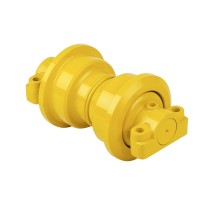
Laufrolle CASE 9060 einseitig UF210R0E
0 Review(s) 

A single flange track roller is a crucial component of the crawler undercarriage system, widely used in construction machinery such as crawler excavators, bulldozers, and other heavy vehicles operating in challenging terrain conditions. This roller plays a key role in ensuring the smooth movement of the machine and the even distribution of its weight on the tracks, which contributes to reducing component wear and minimizing the impact on the ground.

SINGLE FLANGE TRACK ROLLER - DIMENSIONS

Internal width between the roller flanges 210 mm

TRACK ROLLER CATERPILLAR - FUNCTION AND CONSTRUCTION

The single flange track roller, unlike the double flange version, has only one flange, which serves to guide the track along a designated path. The flange located on one side of the roller interacts with the inner side of the track links, keeping it on the correct track. The absence of a second flange means that the track roller is typically used in machines with lower loads or in working conditions where there are smaller lateral forces.

Key construction elements of the single flange roller:

  • Roller body – Made of high wear-resistant steel. Its purpose is to transfer the machine's mass and working forces.
  • Flange (projection) – One flange located on one side of the roller, which keeps the track on the correct path. It prevents the track from slipping off the roller.
  • Bearing – The interior of the roller contains bearings that allow for smooth rotation of the roller under load. The bearings are lubricated and often sealed, minimizing maintenance needs.
  • Seals – The rollers are equipped with special seals that prevent dirt, water, and contaminants from entering, which extends the component's lifespan.

  • Single flange rollers are mainly used in medium and smaller crawler machines that do not experience such high lateral forces as, for example, bulldozers working on steep slopes. Examples of such applications include:
  • Crawler excavators – Especially those operating in moderate terrain conditions, where guiding the track is more important than counteracting lateral forces.
  • Mini excavators and smaller bulldozers – In smaller machines, the weight distributed on the undercarriage system is not as great, making single flange rollers sufficiently durable.
  • Machines for transporting aggregates or other crawler devices – These machines often operate in conditions where a lightweight undercarriage and lower lateral loads are required.

SINGLE FLANGE TRACK ROLLER - UF210R0E

The roller shell is made of deep-hardened steel and designed to be resistant to vibrations. Hardness 50 – 58 HRC. The shafts and bearings are designed to reduce friction and wear while ensuring maximum strength. Lubricated for the entire service life to minimize maintenance.

Modern single flange track rollers increasingly utilize advanced materials, such as high-strength alloys and modern protective coatings. Among the innovations, the following can be highlighted:

  • Surface hardening – This process increases strength and wear resistance, which is particularly important in conditions of intensive use.
  • Multi-layer seals – Modern sealing systems more effectively protect bearings from contaminants and moisture, resulting in longer component lifespan.

Single flange track rollers are a key element of many crawler machines, especially those operating in moderate terrain conditions. Due to their simpler construction and lower operating costs, they are often chosen for machines exposed to lower lateral loads. Nevertheless, the selection of appropriate rollers for a machine should consider specific working conditions, load levels, and terrain types to ensure maximum efficiency and durability of the undercarriage.

Laufrolle KOMATSU D85 MS einseitig...
0 Review(s) 

Single flange track rollers are key components of the crawler undercarriage system, commonly used in construction machinery such as crawler excavators, bulldozers, and other heavy equipment operating in challenging terrain. These rollers play a crucial role in ensuring smooth movement and even weight distribution of the machine on the tracks, which minimizes wear on components and the ground over which the machine travels.

SINGLE FLANGE TRACK ROLLER - DIMENSIONS

Internal width between the roller flanges 210 mm

TRACK ROLLER CATERPILLAR - FUNCTION AND CONSTRUCTION

Single flange track rollers, unlike their double flange counterparts, have only one flange that guides the track in the correct line of movement. This flange, located on one side of the roller, interacts with the inner surface of the track links, keeping them in the correct position on the working path. The absence of a second flange on the roller means that this component is typically used in machines with lower loads or in specific working conditions where lateral loads are reduced.

Key elements of the single flange roller construction:

  • Roller body – Made of high wear-resistant steel. Its purpose is to transfer the weight of the machine and working forces.
  • Flange – One flange placed on one side of the roller, which keeps the track on the correct path. It prevents the track from slipping off the roller.
  • Bearing – The interior of the roller contains bearings that allow for smooth rotation of the roller under load. The bearings are lubricated and often sealed, which minimizes maintenance needs.
  • Seals – Rollers are equipped with special seals that prevent dirt, water, and contaminants from entering, extending the component's lifespan.

  • Single flange rollers are mainly used in medium and smaller crawler machines that do not experience such high lateral forces as, for example, bulldozers working on steep slopes. Examples of such applications include:
  • Crawler excavators – Especially those operating in moderate terrain conditions, where guiding the track is more important than counteracting lateral forces.
  • Mini excavators and smaller bulldozers – In smaller machines, the weight distributed on the undercarriage is not as high, making single flange rollers sufficiently durable.
  • Machines for transporting aggregates or other crawler devices – These machines often operate in conditions where a lightweight undercarriage and lower lateral loads are required.

SINGLE FLANGE TRACK ROLLER - UF210K1T

The roller shell is made of deep-hardened steel and designed to be resistant to vibrations. Hardness 50 – 58 HRC. Shafts and bearings are designed to reduce friction and wear while ensuring maximum strength. Lubricated for the entire service life to minimize maintenance.

Modern single flange rollers increasingly utilize advanced materials, such as high-strength alloys and modern protective coatings. Among the innovations, the following can be highlighted:

  • Surface hardening – This process increases strength and wear resistance, which is particularly important in conditions of intensive use.
  • Multi-layer seals – Modern sealing systems more effectively protect bearings from contaminants and moisture, resulting in longer component lifespan.

    Single flange track rollers are an essential element of many crawler machines, especially those operating in moderate terrain conditions. Their simpler construction and lower operating costs make them a popular choice for machines with lower lateral loads. However, the selection of appropriate rollers for a machine should always consider specific working conditions, load, and terrain type to ensure optimal performance and longevity of the undercarriage.
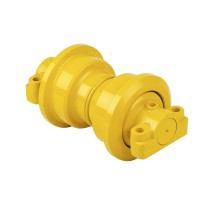
Laufrolle HYUNDAI R360 einseitig
0 Review(s) 

Single flange track rollers are key components of the crawler undercarriage system, commonly used in construction machinery such as crawler excavators, bulldozers, and other heavy machines operating in challenging terrain. These rollers play a crucial role in ensuring smooth movement and even weight distribution of the machine on the tracks, which minimizes wear on components and the ground over which the machine travels.

SINGLE FLANGE TRACK ROLLER - DIMENSIONS

Internal width between the roller flanges 210 mm

CATERPILLAR TRACK ROLLER - FUNCTION AND CONSTRUCTION

Single flange track rollers, unlike their double flange counterparts, have only one flange that guides the track in the correct line of movement. This flange, located on one side of the roller, interacts with the inner surface of the track links, keeping them in the correct position on the working path. The absence of a second flange on the roller means that this component is typically used in machines with lower loads or in specific working conditions where lateral loads are reduced.

Key elements of the single flange roller construction:

  • Roller body – Made of high wear-resistant steel. Its purpose is to transfer the weight of the machine and working forces.
  • Flange – One flange placed on one side of the roller, which keeps the track on the correct path. It protects the tracks from slipping off the roller.
  • Bearing – The interior of the roller contains bearings that allow for smooth rotation of the roller under load. The bearings are lubricated and often sealed, which minimizes maintenance needs.
  • Seals – The rollers are equipped with special seals that prevent dirt, water, and contaminants from entering, extending the component's lifespan.

  • Single flange rollers are mainly used in medium and smaller crawler machines that do not experience such high lateral forces as, for example, bulldozers working on steep slopes. Examples of such applications include:
  • Crawler excavators – Especially those operating in moderate terrain conditions, where guiding the track is more important than counteracting lateral forces.
  • Mini excavators and smaller bulldozers – In smaller machines, the weight distributed on the undercarriage is not as significant, making single flange rollers sufficiently durable.
  • Machines for transporting aggregates or other crawler devices – These machines often operate in conditions where a lightweight undercarriage and lower lateral loads are required.

SINGLE FLANGE TRACK ROLLER - UF210E3E

The roller shell is made of deep-hardened steel and designed to be resistant to vibrations. Hardness 50 – 58 HRC. Shafts and bearings are designed to reduce friction and wear while ensuring maximum strength. Lubricated for the entire service life to minimize maintenance.

Modern single flange rollers increasingly utilize advanced materials, such as high-strength alloys and modern protective coatings. Among the innovations, the following can be highlighted:

  • Surface hardening – This process increases strength and wear resistance, which is particularly important in conditions of intensive use.
  • Multi-layer seals – Modern sealing systems more effectively protect bearings from contaminants and moisture, resulting in longer component lifespan.

    Single flange track rollers are an essential element of many crawler machines, especially those operating in moderate terrain conditions. Their simpler construction and lower operating costs make them a popular choice for machines with lower lateral loads. However, the selection of appropriate rollers for a machine should always consider specific working conditions, load, and terrain type to ensure optimal performance and longevity of the undercarriage.
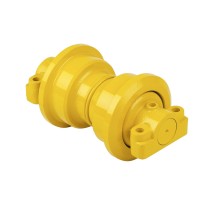
Laufrolle DAEWOO DX380 LC einseitig 
0 Review(s) 

Rolka jezdna jednokrawędziowa (ang. single flange track roller) jest ważnym komponentem w systemie podwozia gąsienicowego, używanym w maszynach budowlanych, takich jak koparki gąsienicowe, spycharki oraz inne ciężkie maszyny, które operują na trudnym terenie. Rolki te zapewniają płynny ruch i równomierny rozkład ciężaru maszyny na gąsienice, co pomaga zminimalizować zużycie części oraz zmniejsza oddziaływanie na podłoże, po którym maszyna się porusza.

ROLKA JEZDNA JEDNOKRAWĘDZIOWA - WYMIARY

Szerokość wewnętrzna pomiędzy kołnierzami rolki 210 mm

ROLKA JEZDNA CATERPILLAR - FUNKCJA I BUDOWA

Rolka jezdna jednokrawędziowa różni się od swojego dwukrawędziowego odpowiednika tym, że ma tylko jedną flanszę, odpowiedzialną za prawidłowe prowadzenie gąsienicy. Ta pojedyncza flansza znajduje się z jednej strony rolki i współpracuje z wewnętrzną powierzchnią ogniw gąsienicy, co pozwala na utrzymanie ich we właściwej pozycji. Brak drugiej flanszy oznacza, że rolka jezdna jest częściej stosowana w maszynach pracujących pod mniejszym obciążeniem lub w warunkach, gdzie siły boczne są ograniczone.

Kluczowe elementy budowy rolki jednokrawędziowej:

  • Korpus rolki – Wykonany ze stali o wysokiej wytrzymałości na ścieranie. Ma za zadanie przenoszenie masy maszyny oraz sił roboczych.
  • Flansza (wypustka) – Jedna flansza umieszczona po jednej stronie rolki, która utrzymuje gąsienicę na właściwym torze. Chroni gąsienice przed zsunięciem się z rolki.
  • Łożyskowanie – Wnętrze rolki zawiera łożyska, które umożliwiają płynne obracanie się rolki pod obciążeniem. Łożyska są smarowane i często zapieczętowane, co minimalizuje potrzebę konserwacji.
  • Uszczelnienia – Rolki wyposażone są w specjalne uszczelnienia zapobiegające przedostawaniu się brudu, wody i zanieczyszczeń, co przedłuża żywotność komponentu.

  • Rolki jednokrawędziowe znajdują zastosowanie głównie w maszynach gąsienicowych o średnich i mniejszych gabarytach, które nie podlegają tak wysokim siłom bocznym jak np. spycharki pracujące na stromych nachyleniach. Przykłady takich zastosowań to:
  • Koparki gąsienicowe – Szczególnie te pracujące w średnich warunkach terenowych, gdzie ważniejsze jest prowadzenie gąsienicy niż przeciwdziałanie siłom bocznym.
  • Mini koparki i mniejsze spycharki – W mniejszych maszynach ciężar rozłożony na układ podwozia nie jest tak duży, co sprawia, że rolki jednokrawędziowe są wystarczająco wytrzymałe.
  • Maszyny do transportu kruszywa lub inne urządzenia gąsienicowe – Te maszyny często poruszają się w warunkach, gdzie potrzebna jest lekkość układu podwozia i mniejsze obciążenia boczne.

ROLKA JEZDNA JEDNOKRAWĘDZIOWA - UF210E1E

Płaszcz rolki z głęboko hartowanej stali i zaprojektowany tak, aby był odporny na drgania. Hartowanie 50 – 58 HRC. Wały i łożyska są zaprojektowane tak, aby zmniejszyć tarcie i zużycie oraz zapewnić maksymalną wytrzymałość. Smarowane na cały okres eksploatacji w celu minimalnej konserwacji.

Rolki jezdne jednokrawędziowe w dzisiejszych czasach coraz częściej korzystają z nowoczesnych materiałów, takich jak stopy metali o wysokiej wytrzymałości oraz innowacyjne powłoki ochronne. Do najważniejszych innowacji należą:

  • Hartowanie powierzchniowe – Technologia ta znacząco zwiększa odporność na ścieranie i wytrzymałość, szczególnie ważne podczas pracy w trudnych warunkach.
  • Uszczelnienia wielowarstwowe – Zaawansowane systemy uszczelnień oferują lepszą ochronę łożysk przed zabrudzeniami oraz wilgocią, co wydłuża okres eksploatacji rolek.

Rolki jezdne jednokrawędziowe są kluczowym komponentem wielu maszyn poruszających się na gąsienicach, zwłaszcza tych, które pracują w umiarkowanych warunkach terenowych. Dzięki swojej uproszczonej budowie i niższym kosztom eksploatacyjnym, stanowią popularny wybór dla maszyn o mniejszych obciążeniach bocznych. Należy jednak pamiętać, że wybór odpowiednich rolek musi uwzględniać konkretne warunki robocze, poziom obciążenia i typ terenu, aby zapewnić optymalną efektywność i trwałość systemu podwozia.

Laufrolle CASAGRANDE C60 HD einseitig...
0 Review(s) 

A single flange track roller is a crucial component of the crawler undercarriage system, widely used in construction machinery such as crawler excavators, bulldozers, and other heavy vehicles operating in challenging terrain conditions. This roller plays a key role in ensuring the smooth movement of the machine and the even distribution of its weight on the tracks, which contributes to reducing component wear and minimizing the impact on the ground.

SINGLE FLANGE TRACK ROLLER - DIMENSIONS

Internal width between the roller flanges 210 mm

SINGLE FLANGE TRACK ROLLER - FUNCTION AND CONSTRUCTION

The single flange track roller, unlike the double flange version, has only one flange, which serves to guide the track along a designated path. The flange located on one side of the roller interacts with the inner side of the track links, keeping it on the correct track. The absence of a second flange means that the track roller is typically used in machines with lower loads or in working conditions where there are smaller lateral forces.

Key construction elements of the single flange roller:

  • Roller body – Made of high wear-resistant steel. Its purpose is to transfer the machine's mass and working forces.
  • Flange (projection) – One flange located on one side of the roller, which keeps the track on the correct path. It prevents the track from slipping off the roller.
  • Bearing – The interior of the roller contains bearings that allow for smooth rotation of the roller under load. The bearings are lubricated and often sealed, minimizing maintenance needs.
  • Seals – The rollers are equipped with special seals that prevent dirt, water, and contaminants from entering, which extends the component's lifespan.

  • Single flange rollers are mainly used in medium and smaller crawler machines that do not experience such high lateral forces as, for example, bulldozers working on steep slopes. Examples of such applications include:
  • Crawler excavators – Especially those operating in moderate terrain conditions, where guiding the track is more important than counteracting lateral forces.
  • Mini excavators and smaller bulldozers – In smaller machines, the weight distributed on the undercarriage system is not as great, making single flange rollers sufficiently durable.
  • Machines for transporting aggregates or other crawler devices – These machines often operate in conditions where a lightweight undercarriage and lower lateral loads are required.

SINGLE FLANGE TRACK ROLLER - UF210E0E

The roller shell is made of deep-hardened steel and designed to be resistant to vibrations. Hardness 50 – 58 HRC. Shafts and bearings are designed to reduce friction and wear while ensuring maximum strength. Lubricated for the entire service life to minimize maintenance.

Modern single flange track rollers increasingly utilize advanced materials, such as high-strength alloys and modern protective coatings. Among the innovations, the following can be highlighted:

  • Surface hardening – This process increases strength and wear resistance, which is particularly important in conditions of intensive use.
  • Multi-layer seals – Modern sealing systems more effectively protect bearings from contaminants and moisture, resulting in longer component lifespan.

Single flange track rollers are a key element of many crawler machines, especially those operating in moderate terrain conditions. Due to their simpler construction and lower operating costs, they are often chosen for machines exposed to lower lateral loads. Nevertheless, the selection of appropriate rollers for a machine should consider specific working conditions, load levels, and terrain types to ensure maximum efficiency and durability of the undercarriage.

Laufrolle FIAT-KOBELCO E385 BJ einseitig...
0 Review(s) 

Single flange track rollers are key components of the crawler undercarriage, commonly used in construction machinery such as crawler excavators, bulldozers, and other heavy equipment operating in challenging terrain. These rollers play a crucial role in ensuring smooth movement and even weight distribution of the machine on the tracks, which minimizes wear on components and the ground over which the machine travels.

SINGLE FLANGE TRACK ROLLER - DIMENSIONS

Internal width between the roller flanges 210 mm

CATERPILLAR TRACK ROLLER - FUNCTION AND CONSTRUCTION

Single flange track rollers, unlike their double flange counterparts, have only one flange that guides the track in the correct line of movement. This flange, located on one side of the roller, interacts with the inner surface of the track links, keeping them in the correct position on the working path. The absence of a second flange on the roller means that this component is typically used in machines with lower loads or in specific working conditions where lateral loads are reduced.

Key elements of the single flange roller construction:

  • Roller body – Made of high wear-resistant steel. Its purpose is to transfer the mass of the machine and working forces.
  • Flange – One flange placed on one side of the roller, which keeps the track on the correct path. It protects the tracks from slipping off the roller.
  • Bearing – The interior of the roller contains bearings that allow for smooth rotation of the roller under load. The bearings are lubricated and often sealed, which minimizes maintenance needs.
  • Seals – The rollers are equipped with special seals that prevent dirt, water, and contaminants from entering, extending the component's lifespan.

  • Single flange rollers are mainly used in medium and smaller crawler machines that do not experience such high lateral forces as, for example, bulldozers working on steep slopes. Examples of such applications include:
  • Crawler excavators – Especially those operating in moderate terrain conditions, where guiding the track is more important than counteracting lateral forces.
  • Mini excavators and smaller bulldozers – In smaller machines, the weight distributed on the undercarriage is not as high, making single flange rollers sufficiently durable.
  • Machines for transporting aggregates or other crawler devices – These machines often operate in conditions where a lightweight undercarriage and lower lateral loads are required.

SINGLE FLANGE TRACK ROLLER - UF210B0E

The roller shell is made of deep-hardened steel and designed to be resistant to vibrations. Hardness 50 – 58 HRC. Shafts and bearings are designed to reduce friction and wear while ensuring maximum strength. Lubricated for the entire service life to minimize maintenance.

Modern single flange rollers increasingly utilize advanced materials, such as high-strength alloys and modern protective coatings. Among the innovations, the following can be highlighted:

  • Surface hardening – This process increases strength and wear resistance, which is particularly important in conditions of intensive use.
  • Multi-layer seals – Modern sealing systems more effectively protect bearings from contaminants and moisture, resulting in longer component lifespan.

    Single flange track rollers are an essential element of many crawler machines, especially those operating in moderate terrain conditions. Their simpler construction and lower operating costs make them a popular choice for machines with lower lateral loads. However, the selection of appropriate rollers for a machine should always consider specific working conditions, load, and terrain type to ensure optimal performance and longevity of the undercarriage.
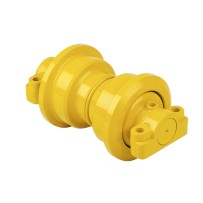
Laufrolle KOMATSU PC450 LCHD einseitig...
0 Review(s) 

A single flange track roller is an important component in the crawler undercarriage system, used in construction machines such as crawler excavators, bulldozers, and other heavy equipment operating in challenging terrain. These rollers provide smooth movement and even weight distribution of the machine on the tracks, which helps minimize part wear and reduces the impact on the ground over which the machine moves.

SINGLE FLANGE TRACK ROLLER - DIMENSIONS

Internal width between the roller flanges 209 mm

CATERPILLAR TRACK ROLLER - FUNCTION AND CONSTRUCTION

A single flange track roller differs from its double flange counterpart in that it has only one flange, responsible for properly guiding the track. This single flange is located on one side of the roller and works with the inner surface of the track links, allowing them to maintain their proper position. The absence of a second flange means that the track roller is more commonly used in machines operating under lower loads or in conditions where lateral forces are limited.

Key components of the single flange roller construction:

  • Roller body – Made of high wear-resistant steel. Its purpose is to transfer the machine's mass and working forces.
  • Flange (projection) – One flange located on one side of the roller, which keeps the track on the correct path. It protects the tracks from slipping off the roller.
  • Bearing – The interior of the roller contains bearings that allow for smooth rotation of the roller under load. The bearings are lubricated and often sealed, minimizing maintenance needs.
  • Seals – Rollers are equipped with special seals that prevent dirt, water, and contaminants from entering, extending the component's lifespan.

  • Single flange rollers are mainly used in medium and smaller crawler machines that do not experience as high lateral forces as, for example, bulldozers working on steep slopes. Examples of such applications include:
  • Crawler excavators – Especially those operating in moderate terrain conditions, where guiding the track is more important than countering lateral forces.
  • Mini excavators and smaller bulldozers – In smaller machines, the weight distributed on the undercarriage system is not as great, making single flange rollers sufficiently durable.
  • Machines for transporting aggregates or other crawler devices – These machines often operate in conditions where a lightweight undercarriage and lower lateral loads are required.

SINGLE FLANGE TRACK ROLLER - UF209K1E

The roller shell is made of deep-hardened steel and designed to be resistant to vibrations. Hardness 50 – 58 HRC. Shafts and bearings are designed to reduce friction and wear while ensuring maximum strength. Lubricated for the entire service life to minimize maintenance.

Single flange track rollers increasingly utilize modern materials today, such as high-strength metal alloys and innovative protective coatings. Key innovations include:

  • Surface hardening – This technology significantly increases wear resistance and strength, particularly important when working in harsh conditions.
  • Multi-layer seals – Advanced sealing systems offer better protection for bearings against dirt and moisture, extending the lifespan of the rollers.

Single flange track rollers are a key component of many machines moving on tracks, especially those working in moderate terrain conditions. Due to their simplified construction and lower operating costs, they are a popular choice for machines with lower lateral loads. However, it is important to remember that the selection of appropriate rollers must consider specific working conditions, load levels, and terrain types to ensure optimal efficiency and durability of the undercarriage system.

Laufrolle KOMATSU D95 S einteilig
0 Review(s) 

A single flange track roller is a crucial component of the crawler undercarriage system, widely used in construction machinery such as crawler excavators, bulldozers, and other heavy vehicles operating in challenging terrain conditions. This roller plays a key role in ensuring the smooth movement of the machine and the even distribution of its weight on the tracks, which contributes to reducing component wear and minimizing the impact on the ground.

SINGLE FLANGE TRACK ROLLER - DIMENSIONS

Internal width between the roller flanges 208 mm

TRACK ROLLER CATERPILLAR - FUNCTION AND CONSTRUCTION

The single flange track roller, unlike the double flange version, has only one flange, which serves to guide the track along a designated path. The flange located on one side of the roller interacts with the inner side of the track links, keeping it on the correct track. The absence of a second flange means that the track roller is typically used in machines with lower loads or in working conditions where there are smaller lateral forces.

Key construction elements of the single flange roller:

  • Roller body – Made of high wear-resistant steel. Its purpose is to transfer the machine's mass and working forces.
  • Flange (projection) – One flange located on one side of the roller, which keeps the track on the correct path. It protects the track from slipping off the roller.
  • Bearing – The interior of the roller contains bearings that allow for smooth rotation of the roller under load. The bearings are lubricated and often sealed, minimizing maintenance needs.
  • Seals – The rollers are equipped with special seals that prevent dirt, water, and contaminants from entering, which extends the component's lifespan.

  • Single flange rollers are mainly used in medium and smaller crawler machines that do not experience such high lateral forces as, for example, bulldozers working on steep slopes. Examples of such applications include:
  • Crawler excavators – Especially those operating in moderate terrain conditions, where guiding the track is more important than counteracting lateral forces.
  • Mini excavators and smaller bulldozers – In smaller machines, the weight distributed on the undercarriage system is not as great, making single flange rollers sufficiently durable.
  • Machines for transporting aggregates or other crawler devices – These machines often operate in conditions where a lightweight undercarriage and lower lateral loads are required.

SINGLE FLANGE TRACK ROLLER - UF208K1T

The roller shell is made of deep-hardened steel and designed to be resistant to vibrations. Hardness 50 – 58 HRC. Shafts and bearings are designed to reduce friction and wear while ensuring maximum strength. Lubricated for the entire service life to minimize maintenance.

Modern single flange track rollers increasingly utilize advanced materials, such as high-strength alloys and modern protective coatings. Among the innovations, the following can be highlighted:

  • Surface hardening – This process increases strength and wear resistance, which is particularly important in conditions of intensive use.
  • Multi-layer seals – Modern sealing systems more effectively protect bearings from contaminants and moisture, resulting in longer component lifespan.

Single flange track rollers are a key element of many crawler machines, especially those operating in moderate terrain conditions. Due to their simpler construction and lower operating costs, they are often chosen for machines exposed to lower lateral loads. Nevertheless, the selection of appropriate rollers for a machine should consider specific working conditions, load levels, and terrain types to ensure maximum efficiency and durability of the undercarriage.

Laufrolle KOMATSU D75 S einseitig geschweißt
0 Review(s) 

Single flange track rollers are key components of the crawler undercarriage, commonly used in construction machinery such as crawler excavators, bulldozers, and other heavy equipment operating in challenging terrain. These rollers play a crucial role in ensuring smooth movement and even weight distribution of the machine on the tracks, which minimizes wear on components and the ground over which the machine travels.

SINGLE FLANGE TRACK ROLLER - DIMENSIONS

Internal width between the roller flanges 208 mm

TRACK ROLLER CATERPILLAR - FUNCTION AND CONSTRUCTION

Single flange track rollers, unlike their double flange counterparts, have only one flange that guides the track in the correct line of movement. This flange, located on one side of the roller, interacts with the inner surface of the track links, keeping them in the correct position on the working path. The absence of a second flange on the roller means that this component is typically used in machines with lower loads or in specific working conditions where lateral loads are reduced.

Key elements of the single flange roller construction:

  • Roller body – Made of high wear-resistant steel. Its purpose is to transfer the mass of the machine and working forces.
  • Flange – One flange placed on one side of the roller, which keeps the track on the correct path. It prevents the track from slipping off the roller.
  • Bearing – The interior of the roller contains bearings that allow for smooth rotation of the roller under load. The bearings are lubricated and often sealed, minimizing maintenance needs.
  • Seals – Rollers are equipped with special seals that prevent dirt, water, and contaminants from entering, which extends the component's lifespan.

  • Single flange rollers are mainly used in medium and smaller crawler machines that do not experience such high lateral forces as, for example, bulldozers working on steep slopes. Examples of such applications include:
  • Crawler excavators – Especially those operating in moderate terrain conditions, where guiding the track is more important than counteracting lateral forces.
  • Mini excavators and smaller bulldozers – In smaller machines, the weight distributed on the undercarriage is not as high, making single flange rollers sufficiently durable.
  • Machines for transporting aggregates or other crawler devices – These machines often operate in conditions where a lightweight undercarriage and lower lateral loads are required.

SINGLE FLANGE TRACK ROLLER - UF208K0T

The roller shell is made of deep-hardened steel and designed to be resistant to vibrations. Hardness 50 – 58 HRC. Shafts and bearings are designed to reduce friction and wear while ensuring maximum strength. Lubricated for the entire service life to minimize maintenance.

Modern single flange rollers increasingly utilize advanced materials, such as high-strength alloys and modern protective coatings. Among the innovations, the following can be highlighted:

  • Surface hardening – This process increases strength and wear resistance, which is particularly important in conditions of intensive use.
  • Multi-layer seals – Modern sealing systems more effectively protect bearings from contaminants and moisture, resulting in longer component lifespan.

    Single flange track rollers are an essential element of many crawler machines, especially those operating in moderate terrain conditions. Their simpler construction and lower operating costs make them a popular choice for machines with lower lateral loads. However, the selection of appropriate rollers for a machine should always consider specific working conditions, load, and terrain type to ensure optimal performance and longevity of the undercarriage.
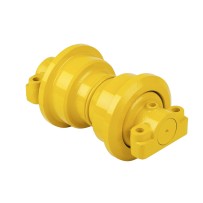
Laufrolle CASE 160 CK einseitig
0 Review(s) 

Single flange track rollers are key components of the crawler undercarriage, commonly used in construction machinery such as crawler excavators, bulldozers, and other heavy equipment operating in challenging terrain. These rollers play a crucial role in ensuring smooth movement and even weight distribution of the machine on the tracks, which minimizes wear on components and the ground over which the machine travels.

SINGLE FLANGE TRACK ROLLER - DIMENSIONS

Internal width between the roller flanges 205 mm

CATERPILLAR TRACK ROLLER - FUNCTION AND CONSTRUCTION

Single flange track rollers, unlike their double flange counterparts, have only one flange that guides the track in the correct line of movement. This flange, located on one side of the roller, interacts with the inner surface of the track links, keeping them in the correct position on the working path. The absence of a second flange on the roller means that this component is typically used in machines with lower loads or in specific working conditions where lateral loads are reduced.

Key elements of the single flange roller construction:

  • Roller body – Made of high wear-resistant steel. Its purpose is to transfer the mass of the machine and working forces.
  • Flange – One flange placed on one side of the roller, which keeps the track on the correct path. It protects the tracks from slipping off the roller.
  • Bearing – The interior of the roller contains bearings that allow for smooth rotation of the roller under load. The bearings are lubricated and often sealed, which minimizes maintenance needs.
  • Seals – The rollers are equipped with special seals that prevent dirt, water, and contaminants from entering, extending the component's lifespan.

  • Single flange rollers are mainly used in medium and smaller crawler machines that do not experience such high lateral forces as, for example, bulldozers working on steep slopes. Examples of such applications include:
  • Crawler excavators – Especially those operating in moderate terrain conditions, where guiding the track is more important than counteracting lateral forces.
  • Mini excavators and smaller bulldozers – In smaller machines, the weight distributed on the undercarriage is not as high, making single flange rollers sufficiently durable.
  • Machines for transporting aggregates or other crawler devices – These machines often operate in conditions where a lightweight undercarriage and lower lateral loads are required.

SINGLE FLANGE TRACK ROLLER - UF205T0E

The roller shell is made of deep-hardened steel and designed to be resistant to vibrations. Hardness 50 – 58 HRC. Shafts and bearings are designed to reduce friction and wear while ensuring maximum strength. Lubricated for the entire service life to minimize maintenance.

Modern single flange rollers increasingly utilize advanced materials, such as high-strength alloys and modern protective coatings. Among the innovations, the following can be highlighted:

  • Surface hardening – This process increases strength and wear resistance, which is particularly important in conditions of intensive use.
  • Multi-layer seals – Modern sealing systems more effectively protect bearings from contaminants and moisture, resulting in longer component lifespan.

    Single flange track rollers are an essential element of many crawler machines, especially those operating in moderate terrain conditions. Their simpler construction and lower operating costs make them a popular choice for machines with lower lateral loads. However, the selection of appropriate rollers for a machine should always consider specific working conditions, load, and terrain type to ensure optimal performance and longevity of the undercarriage.
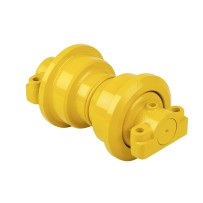
Laufrolle CATERPILLAR 973 C einseitig...
0 Review(s) 

A single flange track roller is an important component in the crawler undercarriage system, used in construction machines such as crawler excavators, bulldozers, and other heavy equipment operating in challenging terrain. These rollers provide smooth movement and even weight distribution of the machine on the tracks, which helps minimize part wear and reduces the impact on the ground over which the machine moves.

SINGLE FLANGE TRACK ROLLER - DIMENSIONS

Internal width between the roller flanges 205 mm

TRACK ROLLER CATERPILLAR - FUNCTION AND CONSTRUCTION

A single flange track roller differs from its double flange counterpart in that it has only one flange, responsible for properly guiding the track. This single flange is located on one side of the roller and works with the inner surface of the track links, allowing them to maintain their proper position. The absence of a second flange means that the track roller is more commonly used in machines operating under lower loads or in conditions where lateral forces are limited.

Key components of the single flange roller construction:

  • Roller body – Made of high wear-resistant steel. Its purpose is to transfer the machine's mass and working forces.
  • Flange (projection) – One flange located on one side of the roller, which keeps the track on the correct path. It protects the tracks from slipping off the roller.
  • Bearing – The interior of the roller contains bearings that allow for smooth rotation of the roller under load. The bearings are lubricated and often sealed, minimizing maintenance needs.
  • Seals – Rollers are equipped with special seals that prevent dirt, water, and contaminants from entering, extending the component's lifespan.

  • Single flange rollers are mainly used in medium and smaller crawler machines that do not experience as high lateral forces as, for example, bulldozers working on steep slopes. Examples of such applications include:
  • Crawler excavators – Especially those operating in moderate terrain conditions, where guiding the track is more important than counteracting lateral forces.
  • Mini excavators and smaller bulldozers – In smaller machines, the weight distributed on the undercarriage is not as great, making single flange rollers sufficiently durable.
  • Machines for transporting aggregates or other crawler devices – These machines often operate in conditions where a lightweight undercarriage and lower lateral loads are required.

SINGLE FLANGE TRACK ROLLER - UF205C6T

The roller shell is made of deep-hardened steel and designed to be resistant to vibrations. Hardness 50 – 58 HRC. Shafts and bearings are designed to reduce friction and wear while ensuring maximum strength. Lubricated for the entire service life for minimal maintenance.

Single flange track rollers increasingly utilize modern materials today, such as high-strength metal alloys and innovative protective coatings. Key innovations include:

  • Surface hardening – This technology significantly increases wear resistance and strength, particularly important when working in harsh conditions.
  • Multi-layer seals – Advanced sealing systems offer better protection for bearings against dirt and moisture, extending the lifespan of the rollers.

Single flange track rollers are a key component of many machines moving on tracks, especially those working in moderate terrain conditions. Due to their simplified construction and lower operating costs, they are a popular choice for machines with lower lateral loads. However, it is important to remember that the selection of appropriate rollers must consider specific working conditions, load levels, and terrain type to ensure optimal efficiency and durability of the undercarriage system.

Laufrolle CATERPILLAR D7 E einseitig...
0 Review(s) 

A single flange track roller is a crucial component of the crawler undercarriage system, widely used in construction machinery such as crawler excavators, bulldozers, and other heavy vehicles operating in challenging terrain conditions. This roller plays a key role in ensuring the smooth movement of the machine and the even distribution of its weight on the tracks, which contributes to reducing component wear and minimizing the impact on the ground.

SINGLE FLANGE TRACK ROLLER - DIMENSIONS

Internal width between the roller flanges 205 mm

TRACK ROLLER CATERPILLAR - FUNCTION AND CONSTRUCTION

The single flange track roller, unlike the double flange version, has only one flange, which serves to guide the track along a designated path. The flange located on one side of the roller interacts with the inner side of the track links, keeping it on the correct track. The absence of a second flange means that the track roller is typically used in machines with lower loads or in working conditions where there are smaller lateral forces.

Key elements of the single flange roller construction:

  • Roller body – Made of high wear-resistant steel. Its purpose is to transfer the machine's mass and working forces.
  • Flange (projection) – One flange located on one side of the roller, which keeps the track on the correct path. It prevents the track from slipping off the roller.
  • Bearing – The interior of the roller contains bearings that allow for smooth rotation of the roller under load. The bearings are lubricated and often sealed, minimizing maintenance needs.
  • Seals – The rollers are equipped with special seals that prevent dirt, water, and contaminants from entering, which extends the component's lifespan.

  • Single flange rollers are mainly used in crawler machines of medium and smaller sizes, which do not experience as high lateral forces as, for example, bulldozers working on steep slopes. Examples of such applications include:
  • Crawler excavators – Especially those operating in moderate terrain conditions, where guiding the track is more important than counteracting lateral forces.
  • Mini excavators and smaller bulldozers – In smaller machines, the weight distributed on the undercarriage system is not as great, making single flange rollers sufficiently durable.
  • Machines for transporting aggregates or other crawler devices – These machines often operate in conditions where a lightweight undercarriage and lower lateral loads are required.

SINGLE FLANGE TRACK ROLLER - UF205C5T

The roller shell is made of deep-hardened steel and designed to be resistant to vibrations. Hardness 50 – 58 HRC. Shafts and bearings are designed to reduce friction and wear while ensuring maximum strength. Lubricated for the entire service life to minimize maintenance.

Modern single flange track rollers increasingly utilize advanced materials, such as high-strength alloys and modern protective coatings. Among the innovations, the following can be highlighted:

  • Surface hardening – This process increases strength and wear resistance, which is particularly important in conditions of intensive use.
  • Multi-layer seals – Modern sealing systems more effectively protect bearings from contaminants and moisture, resulting in longer component lifespan.

Single flange track rollers are a key element of many crawler machines, especially those operating in moderate terrain conditions. Due to their simpler construction and lower operating costs, they are often chosen for machines exposed to lower lateral loads. Nevertheless, the selection of appropriate rollers for a machine should consider specific working conditions, load levels, and terrain types to ensure maximum efficiency and durability of the undercarriage.

Laufrolle VOLVO EC380 D einseitig geschlitzt
0 Review(s) 

A single flange track roller is a crucial component of the crawler undercarriage system, widely used in construction machinery such as crawler excavators, bulldozers, and other heavy vehicles operating in challenging terrain conditions. This roller plays a key role in ensuring the smooth movement of the machine and the even distribution of its weight on the tracks, which contributes to reducing component wear and minimizing the impact on the ground.

SINGLE FLANGE TRACK ROLLER - DIMENSIONS

Internal width between the roller flanges 205 mm

CATERPILLAR TRACK ROLLER - FUNCTION AND CONSTRUCTION

The single flange track roller, unlike the double flange version, has only one flange, which serves to guide the track along a designated path. The flange located on one side of the roller interacts with the inner side of the track links, keeping it on the correct track. The absence of a second flange means that the track roller is typically used in machines with lower loads or in working conditions where there are smaller lateral forces.

Key elements of the single flange roller construction:

  • Roller body – Made of high wear-resistant steel. Its purpose is to transfer the machine's mass and working forces.
  • Flange (projection) – One flange located on one side of the roller, which keeps the track on the correct path. It prevents the track from slipping off the roller.
  • Bearing – The interior of the roller contains bearings that allow for smooth rotation of the roller under load. The bearings are lubricated and often sealed, minimizing maintenance needs.
  • Seals – The rollers are equipped with special seals that prevent dirt, water, and contaminants from entering, which extends the component's lifespan.

  • Single flange rollers are mainly used in crawler machines of medium and smaller sizes, which do not experience as high lateral forces as, for example, bulldozers working on steep slopes. Examples of such applications include:
  • Crawler excavators – Especially those operating in moderate terrain conditions, where guiding the track is more important than counteracting lateral forces.
  • Mini excavators and smaller bulldozers – In smaller machines, the weight distributed on the undercarriage system is not as great, making single flange rollers sufficiently durable.
  • Machines for transporting aggregates or other crawler devices – These machines often operate in conditions where a lightweight undercarriage and lower lateral loads are required.

SINGLE FLANGE TRACK ROLLER - UF205B0E

The roller shell is made of deep-hardened steel and designed to be resistant to vibrations. Hardness 50 – 58 HRC. Shafts and bearings are designed to reduce friction and wear while ensuring maximum strength. Lubricated for the entire service life for minimal maintenance.

Modern single flange track rollers increasingly utilize advanced materials, such as high-strength alloys and modern protective coatings. Among the innovations, the following can be highlighted:

  • Surface hardening – This process increases strength and wear resistance, which is particularly important in conditions of intensive use.
  • Multi-layer seals – Modern sealing systems more effectively protect bearings from contaminants and moisture, resulting in longer component lifespan.

Single flange track rollers are a key element of many crawler machines, especially those operating in moderate terrain conditions. Due to their simpler construction and lower operating costs, they are often chosen for machines exposed to lower lateral loads. Nevertheless, the selection of appropriate rollers for a machine should consider specific working conditions, load levels, and terrain types to ensure maximum efficiency and durability of the undercarriage.

Laufrolle TATA EX300 einseitig
0 Review(s) 

A single flange track roller is a crucial component of the crawler undercarriage system, widely used in construction machinery such as crawler excavators, bulldozers, and other heavy vehicles operating in challenging terrain conditions. This roller plays a key role in ensuring the smooth movement of the machine and the even distribution of its weight on the tracks, which contributes to reducing component wear and minimizing the impact on the ground.

SINGLE FLANGE TRACK ROLLER - DIMENSIONS

Internal width between the roller flanges 204 mm

CATERPILLAR TRACK ROLLER - FUNCTION AND CONSTRUCTION

The single flange track roller, unlike the double flange version, has only one flange, which serves to guide the track along a designated path. The flange located on one side of the roller interacts with the inner side of the track links, keeping it on the correct track. The absence of a second flange means that the track roller is typically used in machines with lower loads or in working conditions where there are smaller lateral forces.

Key elements of the single flange roller construction:

  • Roller body – Made of high wear-resistant steel. Its purpose is to transfer the machine's mass and working forces.
  • Flange (projection) – One flange located on one side of the roller, which keeps the track on the correct path. It protects the track from slipping off the roller.
  • Bearing – The interior of the roller contains bearings that allow for smooth rotation of the roller under load. The bearings are lubricated and often sealed, minimizing maintenance needs.
  • Seals – The rollers are equipped with special seals that prevent dirt, water, and contaminants from entering, which extends the component's lifespan.

  • Single flange rollers are mainly used in medium and smaller crawler machines that do not experience such high lateral forces as, for example, bulldozers working on steep slopes. Examples of such applications include:
  • Crawler excavators – Especially those operating in moderate terrain conditions, where guiding the track is more important than counteracting lateral forces.
  • Mini excavators and smaller bulldozers – In smaller machines, the weight distributed on the undercarriage system is not as high, making single flange rollers sufficiently durable.
  • Machines for transporting aggregates or other crawler devices – These machines often operate in conditions where a lightweight undercarriage and lower lateral loads are required.

SINGLE FLANGE TRACK ROLLER - UF204J0E

The roller shell is made of deep-hardened steel and designed to be resistant to vibrations. Hardness 50 – 58 HRC. The shafts and bearings are designed to reduce friction and wear while ensuring maximum strength. Lubricated for the entire service life to minimize maintenance.

Modern single flange track rollers increasingly utilize advanced materials, such as high-strength alloys and modern protective coatings. Among the innovations, the following can be highlighted:

  • Surface hardening – This process increases strength and wear resistance, which is particularly important in conditions of intensive use.
  • Multi-layer seals – Modern sealing systems more effectively protect bearings from contaminants and moisture, resulting in longer component lifespan.

Single flange track rollers are a key element of many crawler machines, especially those operating in moderate terrain conditions. Due to their simpler construction and lower operating costs, they are often chosen for machines exposed to lower lateral loads. Nevertheless, the selection of appropriate rollers for a machine should consider specific working conditions, load levels, and terrain types to ensure maximum efficiency and durability of the undercarriage.

Laufrolle O&K RH9.5 einseitig
0 Review(s) 

Single flange track rollers are key components of the crawler undercarriage system, commonly used in construction machinery such as crawler excavators, bulldozers, and other heavy equipment operating in challenging terrain. These rollers play a crucial role in ensuring smooth movement and even weight distribution of the machine on the tracks, which minimizes wear on components and the ground over which the machine travels.

SINGLE FLANGE TRACK ROLLER - DIMENSIONS

Internal width between the roller flanges 204 mm

CATERPILLAR TRACK ROLLER - FUNCTION AND CONSTRUCTION

Single flange track rollers, unlike their double flange counterparts, have only one flange that guides the track in the correct line of movement. This flange, located on one side of the roller, interacts with the inner surface of the track links, keeping them in the correct position on the working path. The absence of a second flange on the roller means that this component is typically used in machines with lower loads or in specific working conditions where lateral loads are reduced.

Key elements of the single flange roller construction:

  • Roller body – Made of high wear-resistant steel. Its purpose is to transfer the weight of the machine and working forces.
  • Flange – One flange placed on one side of the roller, which keeps the track on the correct path. It protects the tracks from slipping off the roller.
  • Bearing – The interior of the roller contains bearings that allow for smooth rotation of the roller under load. The bearings are lubricated and often sealed, which minimizes maintenance needs.
  • Seals – The rollers are equipped with special seals that prevent dirt, water, and contaminants from entering, extending the component's lifespan.

  • Single flange rollers are mainly used in medium and smaller-sized crawler machines that do not experience as high lateral forces as, for example, bulldozers working on steep slopes. Examples of such applications include:
  • Crawler excavators – Especially those operating in moderate terrain conditions, where guiding the track is more important than counteracting lateral forces.
  • Mini excavators and smaller bulldozers – In smaller machines, the weight distributed on the undercarriage is not as significant, making single flange rollers sufficiently durable.
  • Machines for transporting aggregates or other crawler devices – These machines often operate in conditions where a lightweight undercarriage and lower lateral loads are required.

SINGLE FLANGE TRACK ROLLER - UF204F0E

The roller shell is made of deep-hardened steel and designed to be resistant to vibrations. Hardness 50 – 58 HRC. Shafts and bearings are designed to reduce friction and wear while ensuring maximum strength. Lubricated for the entire service life for minimal maintenance.

Modern single flange rollers increasingly utilize advanced materials, such as high-strength alloys and modern protective coatings. Among the innovations, the following can be highlighted:

  • Surface hardening – This process increases strength and wear resistance, which is particularly important in conditions of intensive use.
  • Multi-layer seals – Modern sealing systems more effectively protect bearings from contaminants and moisture, resulting in longer component lifespan.

    Single flange track rollers are an essential element of many crawler machines, especially those operating in moderate terrain conditions. Their simpler construction and lower operating costs make them a popular choice for machines with lower lateral loads. However, the selection of appropriate rollers for a machine should always consider specific working conditions, load, and terrain type to ensure optimal performance and longevity of the undercarriage.
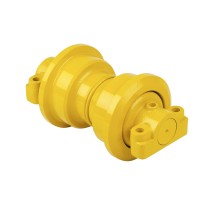
Laufrolle JCB JS290 einseitig
0 Review(s) 

A single flange track roller is an important component in the crawler undercarriage system, used in construction machines such as crawler excavators, bulldozers, and other heavy equipment operating in challenging terrain. These rollers provide smooth movement and even weight distribution of the machine on the tracks, which helps minimize part wear and reduces the impact on the ground over which the machine moves.

SINGLE FLANGE TRACK ROLLER - DIMENSIONS

Internal width between the roller flanges 204 mm

CATERPILLAR TRACK ROLLER - FUNCTION AND CONSTRUCTION

A single flange track roller differs from its double flange counterpart in that it has only one flange, responsible for properly guiding the track. This single flange is located on one side of the roller and works with the inner surface of the track links, allowing them to maintain their proper position. The absence of a second flange means that the track roller is more commonly used in machines operating under lower loads or in conditions where lateral forces are limited.

Key construction elements of the single flange roller:

  • Roller body – Made of high wear-resistant steel. Its purpose is to transfer the machine's weight and working forces.
  • Flange (projection) – One flange located on one side of the roller, which keeps the track on the correct path. It protects the tracks from slipping off the roller.
  • Bearing – The interior of the roller contains bearings that allow for smooth rotation of the roller under load. The bearings are lubricated and often sealed, minimizing maintenance needs.
  • Seals – Rollers are equipped with special seals that prevent dirt, water, and contaminants from entering, extending the component's lifespan.

  • Single flange rollers are mainly used in medium and smaller crawler machines that do not experience as high lateral forces as, for example, bulldozers working on steep slopes. Examples of such applications include:
  • Crawler excavators – Especially those operating in moderate terrain conditions, where guiding the track is more important than countering lateral forces.
  • Mini excavators and smaller bulldozers – In smaller machines, the weight distributed on the undercarriage is not as great, making single flange rollers sufficiently durable.
  • Machines for transporting aggregates or other crawler devices – These machines often operate in conditions where a lightweight undercarriage and lower lateral loads are required.

SINGLE FLANGE TRACK ROLLER - UF204E1E

The roller shell is made of deep-hardened steel and designed to be resistant to vibrations. Hardness 50 – 58 HRC. Shafts and bearings are designed to reduce friction and wear while ensuring maximum strength. Lubricated for the entire service life to minimize maintenance.

Single flange track rollers increasingly utilize modern materials today, such as high-strength metal alloys and innovative protective coatings. Key innovations include:

  • Surface hardening – This technology significantly increases wear resistance and strength, particularly important when working in harsh conditions.
  • Multi-layer seals – Advanced sealing systems offer better protection for bearings against dirt and moisture, extending the lifespan of the rollers.

Single flange track rollers are a key component of many machines moving on tracks, especially those working in moderate terrain conditions. Due to their simplified construction and lower operating costs, they are a popular choice for machines with lower lateral loads. However, it is important to remember that the selection of appropriate rollers must consider specific working conditions, load levels, and terrain types to ensure optimal efficiency and durability of the undercarriage system.

Laufrolle CATERPILLAR E300 B einseitig...
0 Review(s) 

A single flange track roller is a crucial component of the crawler undercarriage system, widely used in construction machinery such as crawler excavators, bulldozers, and other heavy vehicles operating in challenging terrain conditions. This roller plays a key role in ensuring the smooth movement of the machine and the even distribution of its weight on the tracks, which contributes to reducing component wear and minimizing the impact on the ground.

SINGLE FLANGE TRACK ROLLER - DIMENSIONS

Internal width between the roller flanges 204 mm

CATERPILLAR TRACK ROLLER - FUNCTION AND CONSTRUCTION

The single flange track roller, unlike the double flange version, has only one flange, which serves to guide the track along a designated path. The flange located on one side of the roller interacts with the inner side of the track links, keeping it on the correct track. The absence of a second flange means that the track roller is typically used in machines with lower loads or in working conditions where there are smaller lateral forces.

Key elements of the single flange roller construction:

  • Roller body – Made of high wear-resistant steel. Its purpose is to transfer the machine's mass and working forces.
  • Flange (projection) – One flange located on one side of the roller, which keeps the track on the correct path. It prevents the track from slipping off the roller.
  • Bearing – The interior of the roller contains bearings that allow for smooth rotation of the roller under load. The bearings are lubricated and often sealed, minimizing maintenance needs.
  • Seals – The rollers are equipped with special seals that prevent dirt, water, and contaminants from entering, which extends the component's lifespan.

  • Single flange rollers are mainly used in medium and smaller crawler machines that do not experience such high lateral forces as, for example, bulldozers working on steep slopes. Examples of such applications include:
  • Crawler excavators – Especially those operating in moderate terrain conditions, where guiding the track is more important than countering lateral forces.
  • Mini excavators and smaller bulldozers – In smaller machines, the weight distributed on the undercarriage system is not as great, making single flange rollers sufficiently durable.
  • Machines for transporting aggregates or other crawler devices – These machines often operate in conditions where a lightweight undercarriage and lower lateral loads are required.

SINGLE FLANGE TRACK ROLLER - UF204C0E

The roller shell is made of deep-hardened steel and designed to be resistant to vibrations. Hardness 50 – 58 HRC. The shafts and bearings are designed to reduce friction and wear while ensuring maximum strength. Lubricated for the entire service life to minimize maintenance.

Modern single flange track rollers increasingly utilize advanced materials, such as high-strength alloys and modern protective coatings. Among the innovations, the following can be highlighted:

  • Surface hardening – This process increases strength and wear resistance, which is particularly important in conditions of intensive use.
  • Multi-layer seals – Modern sealing systems more effectively protect bearings from contaminants and moisture, resulting in longer component lifespan.

Single flange track rollers are a key element of many crawler machines, especially those operating in moderate terrain conditions. Due to their simpler construction and lower operating costs, they are often chosen for machines exposed to lower lateral loads. Nevertheless, the selection of appropriate rollers for a machine should consider specific working conditions, load levels, and terrain types to ensure maximum efficiency and durability of the undercarriage.

Laufrolle VOLVO EC300 D einseitigläufig
0 Review(s) 

Single flange track rollers are key components of the crawler undercarriage system, commonly used in construction machinery such as crawler excavators, bulldozers, and other heavy machines operating in challenging terrain. These rollers play a crucial role in ensuring smooth movement and even weight distribution of the machine on the tracks, which minimizes wear on components and the ground over which the machine travels.

SINGLE FLANGE TRACK ROLLER - DIMENSIONS

Internal width between the roller flanges 202 mm

CATERPILLAR TRACK ROLLER - FUNCTION AND CONSTRUCTION

Single flange track rollers, unlike their double flange counterparts, have only one flange that guides the track in the correct line of movement. This flange, located on one side of the roller, interacts with the inner surface of the track links, keeping them in the correct position on the working path. The absence of a second flange on the roller means that this component is typically used in machines with lower loads or in specific working conditions where lateral loads are reduced.

Key elements of the single flange roller construction:

  • Roller body – Made of high wear-resistant steel. Its purpose is to transfer the machine's mass and working forces.
  • Flange (projection) – One flange placed on one side of the roller, which keeps the track on the correct path. It protects the tracks from slipping off the roller.
  • Bearing – The interior of the roller contains bearings that allow for smooth rotation of the roller under load. The bearings are lubricated and often sealed, which minimizes maintenance needs.
  • Seals – The rollers are equipped with special seals that prevent dirt, water, and contaminants from entering, extending the component's lifespan.

  • Single flange rollers are mainly used in medium and smaller crawler machines that do not experience such high lateral forces as, for example, bulldozers working on steep slopes. Examples of such applications include:
  • Crawler excavators – Especially those operating in moderate terrain conditions, where guiding the track is more important than counteracting lateral forces.
  • Mini excavators and smaller bulldozers – In smaller machines, the weight distributed on the undercarriage is not as significant, making single flange rollers sufficiently durable.
  • Machines for transporting aggregates or other crawler devices – These machines often operate in conditions where a lightweight undercarriage and lower lateral loads are required.

SINGLE FLANGE TRACK ROLLER - UF202W0E

The roller shell is made of deep-hardened steel and designed to be resistant to vibrations. Hardness 50 – 58 HRC. Shafts and bearings are designed to reduce friction and wear while ensuring maximum strength. Lubricated for the entire service life to minimize maintenance.

Modern single flange rollers increasingly utilize advanced materials, such as high-strength alloys and modern protective coatings. Among the innovations, the following can be highlighted:

  • Surface hardening – This process increases strength and wear resistance, which is particularly important in conditions of intensive use.
  • Multi-layer seals – Modern sealing systems more effectively protect bearings from contaminants and moisture, resulting in longer component lifespan.

    Single flange track rollers are an essential element of many crawler machines, especially those operating in moderate terrain conditions. Their simpler construction and lower operating costs make them a popular choice for machines with lower lateral loads. However, the selection of appropriate rollers for a machine should always consider specific working conditions, load, and terrain type to ensure optimal performance and longevity of the undercarriage.
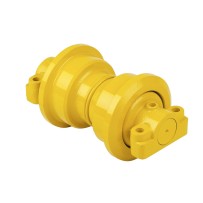
Einfachkante Laufrolle JCB JS260
0 Review(s) 

A single flange track roller is an important component in the crawler undercarriage system, used in construction machines such as crawler excavators, bulldozers, and other heavy equipment operating in challenging terrain. These rollers provide smooth movement and even weight distribution of the machine on the tracks, which helps minimize part wear and reduces the impact on the ground over which the machine moves.

SINGLE FLANGE TRACK ROLLER - DIMENSIONS

Internal width between the roller flanges 200 mm

CATERPILLAR TRACK ROLLER - FUNCTION AND CONSTRUCTION

The single flange track roller differs from its double flange counterpart in that it has only one flange, responsible for properly guiding the track. This single flange is located on one side of the roller and works with the inner surface of the track links, allowing them to maintain their proper position. The absence of a second flange means that the track roller is more commonly used in machines operating under lower loads or in conditions where lateral forces are limited.

Key elements of the single flange roller construction:

  • Roller body – Made of high wear-resistant steel. Its purpose is to transfer the machine's mass and working forces.
  • Flange (projection) – One flange located on one side of the roller, which keeps the track on the correct path. It protects the tracks from slipping off the roller.
  • Bearing – The interior of the roller contains bearings that allow for smooth rotation of the roller under load. The bearings are lubricated and often sealed, minimizing maintenance needs.
  • Seals – Rollers are equipped with special seals that prevent dirt, water, and contaminants from entering, extending the component's lifespan.

  • Single flange rollers are mainly used in medium and smaller crawler machines that do not experience as high lateral forces as, for example, bulldozers working on steep slopes. Examples of such applications include:
  • Crawler excavators – Especially those operating in moderate terrain conditions, where guiding the track is more important than countering lateral forces.
  • Mini excavators and smaller bulldozers – In smaller machines, the weight distributed on the undercarriage is not as great, making single flange rollers sufficiently durable.
  • Machines for transporting aggregates or other crawler devices – These machines often operate in conditions where a lightweight undercarriage and lower lateral loads are required.

SINGLE FLANGE TRACK ROLLER - UF200R0E

The roller shell is made of deep-hardened steel and designed to be resistant to vibrations. Hardness 50 – 58 HRC. Shafts and bearings are designed to reduce friction and wear while ensuring maximum strength. Lubricated for the entire service life for minimal maintenance.

Single flange track rollers increasingly utilize modern materials today, such as high-strength metal alloys and innovative protective coatings. Key innovations include:

  • Surface hardening – This technology significantly increases wear resistance and strength, particularly important when working in harsh conditions.
  • Multi-layer seals – Advanced sealing systems offer better protection for bearings against dirt and moisture, extending the lifespan of the rollers.

Single flange track rollers are a key component of many machines moving on tracks, especially those working in moderate terrain conditions. Due to their simplified construction and lower operating costs, they are a popular choice for machines with lower lateral loads. However, it is important to remember that the selection of appropriate rollers must consider specific working conditions, load levels, and terrain types to ensure optimal efficiency and durability of the undercarriage system.

Tragrolle HITACHI ZX330 einseitig
0 Review(s) 

A single flange track roller is a crucial component of the crawler undercarriage system, widely used in construction machinery such as crawler excavators, bulldozers, and other heavy vehicles operating in challenging terrain conditions. This roller plays a key role in ensuring the smooth movement of the machine and the even distribution of its weight on the tracks, which contributes to reducing component wear and minimizing the impact on the ground.

SINGLE FLANGE TRACK ROLLER - DIMENSIONS

Internal width between the roller flanges 200 mm

SINGLE FLANGE TRACK ROLLER - FUNCTION AND CONSTRUCTION

The single flange track roller, unlike the double flange version, has only one flange, which serves to guide the track along a designated path. The flange located on one side of the roller interacts with the inner side of the track links, keeping it on the correct track. The absence of a second flange means that the track roller is typically used in machines with lower loads or in working conditions where there are smaller lateral forces.

Key elements of the single flange roller construction:

  • Roller body – Made of high wear-resistant steel. Its purpose is to transfer the machine's mass and working forces.
  • Flange (projection) – One flange located on one side of the roller, which keeps the track on the correct path. It prevents the track from slipping off the roller.
  • Bearing – The interior of the roller contains bearings that allow for smooth rotation of the roller under load. The bearings are lubricated and often sealed, minimizing maintenance needs.
  • Seals – The rollers are equipped with special seals that prevent dirt, water, and contaminants from entering, which extends the component's lifespan.

  • Single flange rollers are mainly used in medium and smaller crawler machines that do not experience such high lateral forces as, for example, bulldozers working on steep slopes. Examples of such applications include:
  • Crawler excavators – Especially those operating in moderate terrain conditions, where guiding the track is more important than counteracting lateral forces.
  • Mini excavators and smaller bulldozers – In smaller machines, the weight distributed on the undercarriage system is not as significant, making single flange rollers sufficiently durable.
  • Machines for transporting aggregates or other crawler devices – These machines often operate in conditions where a lightweight undercarriage and lower lateral loads are required.

SINGLE FLANGE TRACK ROLLER - UF200H0E

The roller shell is made of deep-hardened steel and designed to be resistant to vibrations. Hardness 50 – 58 HRC. The shafts and bearings are designed to reduce friction and wear while ensuring maximum strength. Lubricated for the entire service life to minimize maintenance.

Modern single flange track rollers increasingly utilize advanced materials, such as high-strength alloys and modern protective coatings. Among the innovations, the following can be highlighted:

  • Surface hardening – This process increases strength and wear resistance, which is particularly important in conditions of intensive use.
  • Multi-layer seals – Modern sealing systems more effectively protect bearings from contaminants and moisture, resulting in longer component lifespan.

Single flange track rollers are a key element of many crawler machines, especially those operating in moderate terrain conditions. Due to their simpler construction and lower operating costs, they are often chosen for machines exposed to lower lateral loads. Nevertheless, the selection of appropriate rollers for a machine should consider specific working conditions, load levels, and terrain types to ensure maximum efficiency and durability of the undercarriage.

Laufrolle SANY SY330 C einseitig profiliert
0 Review(s) 

Single flange track rollers are key components of the crawler undercarriage system, commonly used in construction machinery such as crawler excavators, bulldozers, and other heavy equipment operating in challenging terrain. These rollers play a crucial role in ensuring smooth movement and even weight distribution of the machine on the tracks, which minimizes wear on components and the ground over which the machine travels.

SINGLE FLANGE TRACK ROLLER - DIMENSIONS

Internal width between the roller flanges 196 mm

CATERPILLAR TRACK ROLLER - FUNCTION AND CONSTRUCTION

Single flange track rollers, unlike their double flange counterparts, have only one flange that guides the track in the correct line of movement. This flange, located on one side of the roller, interacts with the inner surface of the track links, keeping them in the correct position on the working path. The absence of a second flange on the roller means that this component is typically used in machines with lower loads or in specific working conditions where lateral load is reduced.

Key elements of the single flange roller construction:

  • Roller body – Made of high wear-resistant steel. Its purpose is to transfer the mass of the machine and working forces.
  • Flange – One flange placed on one side of the roller, which keeps the track on the correct path. It protects the tracks from slipping off the roller.
  • Bearing – The interior of the roller contains bearings that allow for smooth rotation of the roller under load. The bearings are lubricated and often sealed, which minimizes maintenance needs.
  • Seals – The rollers are equipped with special seals that prevent dirt, water, and contaminants from entering, extending the component's lifespan.

  • Single flange rollers are mainly used in medium and smaller crawler machines that do not experience such high lateral forces as, for example, bulldozers working on steep slopes. Examples of such applications include:
  • Crawler excavators – Especially those operating in moderate terrain conditions, where guiding the track is more important than counteracting lateral forces.
  • Mini excavators and smaller bulldozers – In smaller machines, the weight distributed on the undercarriage is not as high, making single flange rollers sufficiently durable.
  • Machines for transporting aggregates or other crawler devices – These machines often operate in conditions where a lightweight undercarriage and lower lateral loads are required.

SINGLE FLANGE TRACK ROLLER - UF196K1E

The roller shell is made of deep-hardened steel and designed to be resistant to vibrations. Hardness 50 – 58 HRC. Shafts and bearings are designed to reduce friction and wear while ensuring maximum strength. Lubricated for the entire service life to minimize maintenance.

Modern single flange rollers increasingly utilize advanced materials, such as high-strength alloys and modern protective coatings. Among the innovations, the following can be highlighted:

  • Surface hardening – This process increases strength and wear resistance, which is particularly important in conditions of intensive use.
  • Multi-layer seals – Modern sealing systems more effectively protect bearings from contaminants and moisture, resulting in longer component lifespan.

    Single flange track rollers are an essential element of many crawler machines, especially those operating in moderate terrain conditions. Their simpler construction and lower operating costs make them a popular choice for machines with lower lateral loads. However, the selection of appropriate rollers for a machine should always consider specific working conditions, load, and terrain type to ensure optimal performance and longevity of the undercarriage.
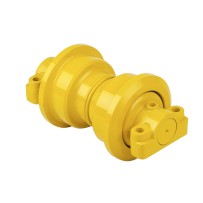
Laufrolle SHANTUI SD16 E einseitig
0 Review(s) 

Rolka jezdna jednokrawędziowa (ang. single flange track roller) jest ważnym komponentem w systemie podwozia gąsienicowego, używanym w maszynach budowlanych, takich jak koparki gąsienicowe, spycharki oraz inne ciężkie maszyny, które operują na trudnym terenie. Rolki te zapewniają płynny ruch i równomierny rozkład ciężaru maszyny na gąsienice, co pomaga zminimalizować zużycie części oraz zmniejsza oddziaływanie na podłoże, po którym maszyna się porusza.

ROLKA JEZDNA JEDNOKRAWĘDZIOWA - WYMIARY

Szerokość wewnętrzna pomiędzy kołnierzami rolki 196 mm

ROLKA JEZDNA CATERPILLAR - FUNKCJA I BUDOWA

Rolka jezdna jednokrawędziowa różni się od swojego dwukrawędziowego odpowiednika tym, że ma tylko jedną flanszę, odpowiedzialną za prawidłowe prowadzenie gąsienicy. Ta pojedyncza flansza znajduje się z jednej strony rolki i współpracuje z wewnętrzną powierzchnią ogniw gąsienicy, co pozwala na utrzymanie ich we właściwej pozycji. Brak drugiej flanszy oznacza, że rolka jezdna jest częściej stosowana w maszynach pracujących pod mniejszym obciążeniem lub w warunkach, gdzie siły boczne są ograniczone.

Kluczowe elementy budowy rolki jednokrawędziowej:

  • Korpus rolki – Wykonany ze stali o wysokiej wytrzymałości na ścieranie. Ma za zadanie przenoszenie masy maszyny oraz sił roboczych.
  • Flansza (wypustka) – Jedna flansza umieszczona po jednej stronie rolki, która utrzymuje gąsienicę na właściwym torze. Chroni gąsienice przed zsunięciem się z rolki.
  • Łożyskowanie – Wnętrze rolki zawiera łożyska, które umożliwiają płynne obracanie się rolki pod obciążeniem. Łożyska są smarowane i często zapieczętowane, co minimalizuje potrzebę konserwacji.
  • Uszczelnienia – Rolki wyposażone są w specjalne uszczelnienia zapobiegające przedostawaniu się brudu, wody i zanieczyszczeń, co przedłuża żywotność komponentu.
  • Rolki jednokrawędziowe znajdują zastosowanie głównie w maszynach gąsienicowych o średnich i mniejszych gabarytach, które nie podlegają tak wysokim siłom bocznym jak np. spycharki pracujące na stromych nachyleniach. Przykłady takich zastosowań to:
  • Koparki gąsienicowe – Szczególnie te pracujące w średnich warunkach terenowych, gdzie ważniejsze jest prowadzenie gąsienicy niż przeciwdziałanie siłom bocznym.
  • Mini koparki i mniejsze spycharki – W mniejszych maszynach ciężar rozłożony na układ podwozia nie jest tak duży, co sprawia, że rolki jednokrawędziowe są wystarczająco wytrzymałe.
  • Maszyny do transportu kruszywa lub inne urządzenia gąsienicowe – Te maszyny często poruszają się w warunkach, gdzie potrzebna jest lekkość układu podwozia i mniejsze obciążenia boczne.

ROLKA JEZDNA JEDNOKRAWĘDZIOWA - UF196K0T

Płaszcz rolki z głęboko hartowanej stali i zaprojektowany tak, aby był odporny na drgania. Hartowanie 50 – 58 HRC. Wały i łożyska są zaprojektowane tak, aby zmniejszyć tarcie i zużycie oraz zapewnić maksymalną wytrzymałość. Smarowane na cały okres eksploatacji w celu minimalnej konserwacji.

Rolki jezdne jednokrawędziowe w dzisiejszych czasach coraz częściej korzystają z nowoczesnych materiałów, takich jak stopy metali o wysokiej wytrzymałości oraz innowacyjne powłoki ochronne. Do najważniejszych innowacji należą:

  • Hartowanie powierzchniowe – Technologia ta znacząco zwiększa odporność na ścieranie i wytrzymałość, szczególnie ważne podczas pracy w trudnych warunkach.
  • Uszczelnienia wielowarstwowe – Zaawansowane systemy uszczelnień oferują lepszą ochronę łożysk przed zabrudzeniami oraz wilgocią, co wydłuża okres eksploatacji rolek.

Rolki jezdne jednokrawędziowe są kluczowym komponentem wielu maszyn poruszających się na gąsienicach, zwłaszcza tych, które pracują w umiarkowanych warunkach terenowych. Dzięki swojej uproszczonej budowie i niższym kosztom eksploatacyjnym, stanowią popularny wybór dla maszyn o mniejszych obciążeniach bocznych. Należy jednak pamiętać, że wybór odpowiednich rolek musi uwzględniać konkretne warunki robocze, poziom obciążenia i typ terenu, aby zapewnić optymalną efektywność i trwałość systemu podwozia.

Tragrolle VOLVO EC290 B einseitig
0 Review(s) 

A single flange track roller is a crucial component of the crawler undercarriage system, widely used in construction machinery such as crawler excavators, bulldozers, and other heavy vehicles operating in challenging terrain conditions. This roller plays a key role in ensuring the smooth movement of the machine and the even distribution of its weight on the tracks, which contributes to reducing component wear and minimizing the impact on the ground.

SINGLE FLANGE TRACK ROLLER - DIMENSIONS

Internal width between the roller flanges 196 mm

SINGLE FLANGE TRACK ROLLER - FUNCTION AND CONSTRUCTION

The single flange track roller, unlike the double flange version, has only one flange, which serves to guide the track along a designated path. The flange located on one side of the roller interacts with the inner side of the track links, keeping it on the correct track. The absence of a second flange means that the track roller is typically used in machines with lower loads or in working conditions where there are smaller lateral forces.

Key elements of the single flange roller construction:

  • Roller body – Made of high wear-resistant steel. Its purpose is to transfer the machine's mass and working forces.
  • Flange (projection) – One flange located on one side of the roller, which keeps the track on the correct path. It prevents the track from slipping off the roller.
  • Bearing – The interior of the roller contains bearings that allow for smooth rotation of the roller under load. The bearings are lubricated and often sealed, minimizing maintenance needs.
  • Seals – The rollers are equipped with special seals that prevent dirt, water, and contaminants from entering, which extends the component's lifespan.

  • Single flange rollers are mainly used in medium and smaller crawler machines that do not experience such high lateral forces as, for example, bulldozers working on steep slopes. Examples of such applications include:
  • Crawler excavators – Especially those operating in moderate terrain conditions, where guiding the track is more important than countering lateral forces.
  • Mini excavators and smaller bulldozers – In smaller machines, the weight distributed on the undercarriage system is not as high, making single flange rollers sufficiently durable.
  • Machines for transporting aggregates or other crawler devices – These machines often operate in conditions where a lightweight undercarriage and lower lateral loads are required.

SINGLE FLANGE TRACK ROLLER - UF196K0E

The roller shell is made of deep-hardened steel and designed to be resistant to vibrations. Hardness 50 – 58 HRC. The shafts and bearings are designed to reduce friction and wear while ensuring maximum strength. Lubricated for the entire service life to minimize maintenance.

Modern single flange track rollers increasingly utilize advanced materials, such as high-strength alloys and modern protective coatings. Among the innovations, the following can be highlighted:

  • Surface hardening – This process increases strength and wear resistance, which is particularly important in conditions of intensive use.
  • Multi-layer seals – Modern sealing systems more effectively protect bearings from contaminants and moisture, resulting in longer component lifespan.

Single flange track rollers are a key element of many crawler machines, especially those operating in moderate terrain conditions. Due to their simpler construction and lower operating costs, they are often chosen for machines exposed to lower lateral loads. Nevertheless, the selection of appropriate rollers for a machine should consider specific working conditions, load levels, and terrain types to ensure maximum efficiency and durability of the undercarriage.

Laufrolle HYUNDAI R280 einseitig
0 Review(s) 

Single flange track rollers are key components of the crawler undercarriage, commonly used in construction machinery such as crawler excavators, bulldozers, and other heavy equipment operating in challenging terrain. These rollers play a crucial role in ensuring smooth movement and even weight distribution of the machine on the tracks, which minimizes wear on components and the ground over which the machine travels.

SINGLE FLANGE TRACK ROLLER - DIMENSIONS

Internal width between the roller flanges 196 mm

CATERPILLAR TRACK ROLLER - FUNCTION AND CONSTRUCTION

Single flange track rollers, unlike their double flange counterparts, have only one flange that guides the track in the correct line of movement. This flange, located on one side of the roller, interacts with the inner surface of the track links, keeping them in the correct position on the working path. The absence of a second flange on the roller means that this component is typically used in machines with lower loads or in specific working conditions where lateral loads are reduced.

Key elements of the single flange roller construction:

  • Roller body – Made of high wear-resistant steel. Its purpose is to transfer the mass of the machine and working forces.
  • Flange – One flange placed on one side of the roller, which keeps the track on the correct path. It protects the tracks from slipping off the roller.
  • Bearing – The interior of the roller contains bearings that allow for smooth rotation of the roller under load. The bearings are lubricated and often sealed, which minimizes maintenance needs.
  • Seals – The rollers are equipped with special seals that prevent dirt, water, and contaminants from entering, extending the component's lifespan.

  • Single flange rollers are mainly used in medium and smaller crawler machines that do not experience such high lateral forces as, for example, bulldozers working on steep slopes. Examples of such applications include:
  • Crawler excavators – Especially those operating in moderate terrain conditions, where guiding the track is more important than counteracting lateral forces.
  • Mini excavators and smaller bulldozers – In smaller machines, the weight distributed on the undercarriage is not as great, making single flange rollers sufficiently durable.
  • Machines for transporting aggregates or other crawler devices – These machines often operate in conditions where a lightweight undercarriage and lower lateral loads are required.

SINGLE FLANGE TRACK ROLLER - UF196E0E

The roller shell is made of deep-hardened steel and designed to be resistant to vibrations. Hardness 50 – 58 HRC. Shafts and bearings are designed to reduce friction and wear while ensuring maximum strength. Lubricated for the entire service life for minimal maintenance.

Modern single flange rollers increasingly utilize advanced materials, such as high-strength alloys and modern protective coatings. Among the innovations, the following can be highlighted:

  • Surface hardening – This process increases strength and wear resistance, which is particularly important in conditions of intensive use.
  • Multi-layer seals – Modern sealing systems more effectively protect bearings from contaminants and moisture, resulting in longer component lifespan.

    Single flange track rollers are an essential element of many crawler machines, especially those operating in moderate terrain conditions. Their simpler construction and lower operating costs make them a popular choice for machines with lower lateral loads. However, the selection of appropriate rollers for a machine should always consider specific working conditions, load, and terrain type to ensure optimal performance and longevity of the undercarriage.
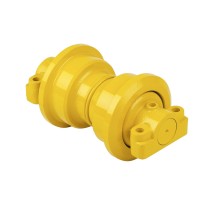
Laufrolle CATERPILLAR 322 C einseitig
0 Review(s) 

A single flange track roller is a crucial component of the crawler undercarriage system, widely used in construction machinery such as crawler excavators, bulldozers, and other heavy vehicles operating in challenging terrain conditions. This roller plays a key role in ensuring the smooth movement of the machine and the even distribution of its weight on the tracks, which contributes to reducing component wear and minimizing the impact on the ground.

SINGLE FLANGE TRACK ROLLER - DIMENSIONS

Internal width between the roller flanges 194 mm

SINGLE FLANGE TRACK ROLLER - FUNCTION AND CONSTRUCTION

The single flange track roller, unlike the double flange version, has only one flange, which serves to guide the track along a designated path. The flange located on one side of the roller interacts with the inner side of the track links, keeping it on the correct track. The absence of a second flange means that the track roller is typically used in machines with lower loads or in working conditions where there are smaller lateral forces.

Key construction elements of the single flange roller:

  • Roller body – Made of high wear-resistant steel. Its purpose is to transfer the machine's mass and working forces.
  • Flange (projection) – One flange located on one side of the roller, which keeps the track on the correct path. It prevents the track from slipping off the roller.
  • Bearing – The interior of the roller contains bearings that allow for smooth rotation of the roller under load. The bearings are lubricated and often sealed, minimizing maintenance needs.
  • Seals – The rollers are equipped with special seals that prevent dirt, water, and contaminants from entering, which extends the component's lifespan.

  • Single flange rollers are mainly used in medium and smaller crawler machines that do not experience such high lateral forces as, for example, bulldozers working on steep slopes. Examples of such applications include:
  • Crawler excavators – Especially those operating in moderate terrain conditions, where guiding the track is more important than counteracting lateral forces.
  • Mini excavators and smaller bulldozers – In smaller machines, the weight distributed on the undercarriage system is not as high, making single flange rollers sufficiently durable.
  • Machines for transporting aggregates or other crawler devices – These machines often operate in conditions where a lightweight undercarriage and lower lateral loads are required.

SINGLE FLANGE TRACK ROLLER - UF194C1E

The roller shell is made of deep-hardened steel and designed to be resistant to vibrations. Hardness 50 – 58 HRC. Shafts and bearings are designed to reduce friction and wear while ensuring maximum strength. Lubricated for the entire service life to minimize maintenance.

Modern single flange track rollers increasingly utilize advanced materials, such as high-strength alloys and modern protective coatings. Among the innovations, the following can be highlighted:

  • Surface hardening – This process increases strength and wear resistance, which is particularly important in conditions of intensive use.
  • Multi-layer seals – Modern sealing systems more effectively protect bearings from contaminants and moisture, resulting in longer component lifespan.

Single flange track rollers are a key element of many crawler machines, especially those operating in moderate terrain conditions. Due to their simpler construction and lower operating costs, they are often chosen for machines exposed to lower lateral loads. Nevertheless, the selection of appropriate rollers for a machine should consider specific working conditions, load levels, and terrain types to ensure maximum efficiency and durability of the undercarriage.

Laufrolle CATERPILLAR 322 C einseitig
0 Review(s) 

Single flange track rollers are key components of the crawler undercarriage system, commonly used in construction machinery such as crawler excavators, bulldozers, and other heavy machines operating in challenging terrain. These rollers play a crucial role in ensuring smooth movement and even weight distribution of the machine on the tracks, which minimizes wear on components and the ground over which the machine travels.

SINGLE FLANGE TRACK ROLLER - DIMENSIONS

Internal width between the roller flanges 194 mm

CATERPILLAR TRACK ROLLER - FUNCTION AND CONSTRUCTION

Single flange track rollers, unlike their double flange counterparts, have only one flange that guides the track in the correct line of movement. This flange, located on one side of the roller, interacts with the inner surface of the track links, keeping them in the correct position on the working path. The absence of a second flange on the roller means that this component is typically used in machines with lower loads or in specific working conditions where lateral loads are reduced.

Key elements of the single flange roller construction:

  • Roller body – Made of high wear-resistant steel. Its purpose is to transfer the mass of the machine and working forces.
  • Flange – One flange placed on one side of the roller, which keeps the track on the correct path. It prevents the track from slipping off the roller.
  • Bearing – The interior of the roller contains bearings that allow for smooth rotation of the roller under load. The bearings are lubricated and often sealed, minimizing maintenance needs.
  • Seals – The rollers are equipped with special seals that prevent dirt, water, and contaminants from entering, which extends the component's lifespan.

  • Single flange rollers are mainly used in medium and smaller crawler machines that do not experience such high lateral forces as, for example, bulldozers working on steep slopes. Examples of such applications include:
  • Crawler excavators – Especially those operating in moderate terrain conditions, where guiding the track is more important than counteracting lateral forces.
  • Mini excavators and smaller bulldozers – In smaller machines, the weight distributed on the undercarriage is not as high, making single flange rollers sufficiently durable.
  • Machines for transporting aggregates or other crawler devices – These machines often operate in conditions where a lightweight undercarriage and lower lateral loads are required.

SINGLE FLANGE TRACK ROLLER - UF194C0E

The roller shell is made of deep-hardened steel and designed to be resistant to vibrations. Hardness 50 – 58 HRC. Shafts and bearings are designed to reduce friction and wear while ensuring maximum strength. Lubricated for the entire service life to minimize maintenance.

Modern single flange rollers increasingly utilize advanced materials, such as high-strength alloys and modern protective coatings. Among the innovations, the following can be highlighted:

  • Surface hardening – This process increases strength and wear resistance, which is particularly important in conditions of intensive use.
  • Multi-layer seals – Modern sealing systems more effectively protect bearings from contaminants and moisture, resulting in longer component lifespan.

    Single flange track rollers are an essential element of many crawler machines, especially those operating in moderate terrain conditions. Their simpler construction and lower operating costs make them a popular choice for machines with lower lateral loads. However, the selection of appropriate rollers for a machine should always consider specific working conditions, load, and terrain type to ensure optimal performance and longevity of the undercarriage.
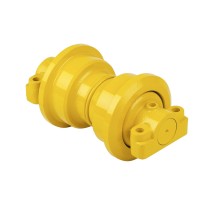
Laufrolle CATERPILLAR D6 T einseitig laufend
0 Review(s) 

Single flange track rollers are key components of the crawler undercarriage system, commonly used in construction machinery such as crawler excavators, bulldozers, and other heavy equipment operating in challenging terrain. These rollers play a crucial role in ensuring smooth movement and even weight distribution of the machine on the tracks, which minimizes wear on components and the ground over which the machine travels.

SINGLE FLANGE TRACK ROLLER - DIMENSIONS

Internal width between the roller flanges 189 mm

TRACK ROLLER CATERPILLAR - FUNCTION AND CONSTRUCTION

Single flange track rollers, unlike their double flange counterparts, have only one flange that guides the track in the correct line of movement. This flange, located on one side of the roller, interacts with the inner surface of the track links, keeping them in the correct position on the working path. The absence of a second flange on the roller means that this component is typically used in machines with lower loads or in specific working conditions where lateral load is reduced.

Key elements of the single flange roller construction:

  • Roller body – Made of high wear-resistant steel. Its purpose is to transfer the mass of the machine and working forces.
  • Flange (projection) – One flange placed on one side of the roller, which keeps the track on the correct path. It protects the track from slipping off the roller.
  • Bearing – The interior of the roller contains bearings that allow for smooth rotation of the roller under load. The bearings are lubricated and often sealed, which minimizes maintenance needs.
  • Seals – The rollers are equipped with special seals that prevent dirt, water, and contaminants from entering, extending the component's lifespan.

  • Single flange rollers are mainly used in medium and smaller crawler machines that do not experience such high lateral forces as, for example, bulldozers working on steep slopes. Examples of such applications include:
  • Crawler excavators – Especially those operating in moderate terrain conditions, where guiding the track is more important than counteracting lateral forces.
  • Mini excavators and smaller bulldozers – In smaller machines, the weight distributed on the undercarriage is not as high, making single flange rollers sufficiently durable.
  • Machines for transporting aggregates or other crawler devices – These machines often operate in conditions where a lightweight undercarriage and lower lateral loads are required.

SINGLE FLANGE TRACK ROLLER - UF189C4T

The roller shell is made of deep-hardened steel and designed to be resistant to vibrations. Hardness 50 – 58 HRC. Shafts and bearings are designed to reduce friction and wear while ensuring maximum strength. Lubricated for the entire service life to minimize maintenance.

Modern single flange rollers increasingly utilize advanced materials, such as high-strength alloys and modern protective coatings. Among the innovations, the following can be highlighted:

  • Surface hardening – This process increases strength and wear resistance, which is particularly important in conditions of intensive use.
  • Multi-layer seals – Modern sealing systems more effectively protect bearings from contaminants and moisture, resulting in longer component lifespan.

    Single flange track rollers are an essential element of many crawler machines, especially those operating in moderate terrain conditions. Their simpler construction and lower operating costs make them a popular choice for machines with lower lateral loads. However, the selection of appropriate rollers for a machine should always consider specific working conditions, load, and terrain type to ensure optimal performance and longevity of the undercarriage.
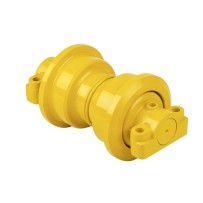
Laufrolle CATERPILLAR D6 D einteilig
0 Review(s) 

A single flange track roller is an important component in the crawler undercarriage system, used in construction machines such as crawler excavators, bulldozers, and other heavy equipment operating in challenging terrain. These rollers provide smooth movement and even weight distribution of the machine on the tracks, which helps minimize part wear and reduces the impact on the ground over which the machine moves.

SINGLE FLANGE TRACK ROLLER - DIMENSIONS

Internal width between the roller flanges 189 mm

TRACK ROLLER CATERPILLAR - FUNCTION AND CONSTRUCTION

The single flange track roller differs from its double flange counterpart in that it has only one flange, responsible for properly guiding the track. This single flange is located on one side of the roller and works with the inner surface of the track links, allowing them to maintain their proper position. The absence of a second flange means that the track roller is more commonly used in machines operating under lower loads or in conditions where lateral forces are limited.

Key construction elements of the single flange roller:

  • Roller body – Made of high wear-resistant steel. Its purpose is to transfer the machine's mass and working forces.
  • Flange (projection) – One flange located on one side of the roller, which keeps the track on the correct path. It protects the tracks from slipping off the roller.
  • Bearing – The interior of the roller contains bearings that allow for smooth rotation of the roller under load. The bearings are lubricated and often sealed, minimizing maintenance needs.
  • Seals – Rollers are equipped with special seals that prevent dirt, water, and contaminants from entering, extending the component's lifespan.

  • Single flange rollers are mainly used in medium and smaller crawler machines that do not experience as high lateral forces as, for example, bulldozers working on steep slopes. Examples of such applications include:
  • Crawler excavators – Especially those operating in moderate terrain conditions, where guiding the track is more important than countering lateral forces.
  • Mini excavators and smaller bulldozers – In smaller machines, the weight distributed on the undercarriage is not as great, making single flange rollers sufficiently durable.
  • Machines for transporting aggregates or other crawler devices – These machines often operate in conditions where a lightweight undercarriage and lower lateral loads are required.

SINGLE FLANGE TRACK ROLLER - UF189C3T

The roller shell is made of deep-hardened steel and designed to be resistant to vibrations. Hardness 50 – 58 HRC. Shafts and bearings are designed to reduce friction and wear while ensuring maximum strength. Lubricated for the entire service life for minimal maintenance.

Single flange track rollers increasingly utilize modern materials today, such as high-strength metal alloys and innovative protective coatings. Key innovations include:

  • Surface hardening – This technology significantly increases wear resistance and strength, particularly important when working in harsh conditions.
  • Multi-layer seals – Advanced sealing systems offer better protection for bearings against dirt and moisture, extending the lifespan of the rollers.

Single flange track rollers are a key component of many machines moving on tracks, especially those working in moderate terrain conditions. Due to their simplified construction and lower operating costs, they are a popular choice for machines with lower lateral loads. However, it is important to remember that the selection of appropriate rollers must consider specific working conditions, load levels, and terrain types to ensure optimal efficiency and durability of the undercarriage system.

Laufrolle CATERPILLAR 227 einseitig
0 Review(s) 

A single flange track roller is a crucial component of the crawler undercarriage system, widely used in construction machinery such as crawler excavators, bulldozers, and other heavy vehicles operating in challenging terrain conditions. This roller plays a key role in ensuring the smooth movement of the machine and the even distribution of its weight on the tracks, which contributes to reducing component wear and minimizing the impact on the ground.

SINGLE FLANGE TRACK ROLLER - DIMENSIONS

Internal width between the roller flanges 189 mm

CATERPILLAR TRACK ROLLER - FUNCTION AND CONSTRUCTION

The single flange track roller, unlike the double flange version, has only one flange, which serves to guide the track along a designated path. The flange located on one side of the roller interacts with the inner side of the track links, keeping it on the correct track. The absence of a second flange means that the track roller is typically used in machines with lower loads or in working conditions where there are smaller lateral forces.

Key elements of the single flange roller construction:

  • Roller body – Made of high wear-resistant steel. Its purpose is to transfer the machine's mass and working forces.
  • Flange (projection) – One flange located on one side of the roller, which keeps the track on the correct path. It prevents the track from slipping off the roller.
  • Bearing – The interior of the roller contains bearings that allow for smooth rotation of the roller under load. The bearings are lubricated and often sealed, minimizing maintenance needs.
  • Seals – The rollers are equipped with special seals that prevent dirt, water, and contaminants from entering, which extends the component's lifespan.

  • Single flange rollers are mainly used in crawler machines of medium and smaller sizes, which do not experience such high lateral forces as, for example, bulldozers working on steep slopes. Examples of such applications include:
  • Crawler excavators – Especially those operating in moderate terrain conditions, where guiding the track is more important than countering lateral forces.
  • Mini excavators and smaller bulldozers – In smaller machines, the weight distributed on the undercarriage system is not as great, making single flange rollers sufficiently durable.
  • Machines for transporting aggregates or other crawler devices – These machines often operate in conditions where a lightweight undercarriage and lower lateral loads are required.

SINGLE FLANGE TRACK ROLLER - UF189C0E

The roller shell is made of deep-hardened steel and designed to be resistant to vibrations. Hardness 50 – 58 HRC. Shafts and bearings are designed to reduce friction and wear while ensuring maximum strength. Lubricated for the entire service life to minimize maintenance.

Modern single flange track rollers increasingly utilize advanced materials, such as high-strength alloys and modern protective coatings. Among the innovations, the following can be highlighted:

  • Surface hardening – This process increases strength and wear resistance, which is particularly important in conditions of intensive use.
  • Multi-layer seals – Modern sealing systems more effectively protect bearings from contaminants and moisture, resulting in longer component lifespan.

Single flange track rollers are a key element of many crawler machines, especially those operating in moderate terrain conditions. Due to their simpler construction and lower operating costs, they are often chosen for machines exposed to lower lateral loads. Nevertheless, the selection of appropriate rollers for a machine should consider specific working conditions, load levels, and terrain types to ensure maximum efficiency and durability of the undercarriage.

Laufrolle CASE 1450 einseitig
0 Review(s) 

Single flange track rollers are key components of the crawler undercarriage system, commonly used in construction machinery such as crawler excavators, bulldozers, and other heavy equipment operating in challenging terrain. These rollers play a crucial role in ensuring smooth movement and even weight distribution of the machine on the tracks, which minimizes wear on components and the ground over which the machine travels.

SINGLE FLANGE TRACK ROLLER - DIMENSIONS

Internal width between the roller flanges 184 mm

TRACK ROLLER CATERPILLAR - FUNCTION AND CONSTRUCTION

Single flange track rollers, unlike their double flange counterparts, have only one flange that guides the track in the correct line of movement. This flange, located on one side of the roller, interacts with the inner surface of the track links, keeping them in the correct position on the working path. The absence of a second flange on the roller means that this component is typically used in machines with lower loads or in specific working conditions where lateral loads are reduced.

Key elements of the single flange roller construction:

  • Roller body – Made of high wear-resistant steel. Its purpose is to transfer the mass of the machine and working forces.
  • Flange (projection) – One flange placed on one side of the roller, which keeps the track on the correct path. It protects the tracks from slipping off the roller.
  • Bearing – The interior of the roller contains bearings that allow for smooth rotation of the roller under load. The bearings are lubricated and often sealed, which minimizes maintenance needs.
  • Seals – The rollers are equipped with special seals that prevent dirt, water, and contaminants from entering, extending the component's lifespan.

  • Single flange rollers are mainly used in medium and smaller crawler machines that do not experience such high lateral forces as, for example, bulldozers working on steep slopes. Examples of such applications include:
  • Crawler excavators – Especially those operating in moderate terrain conditions, where guiding the track is more important than counteracting lateral forces.
  • Mini excavators and smaller bulldozers – In smaller machines, the weight distributed on the undercarriage is not as significant, making single flange rollers sufficiently durable.
  • Machines for transporting aggregates or other crawler devices – These machines often operate in conditions where a lightweight undercarriage and lower lateral loads are required.

SINGLE FLANGE TRACK ROLLER - UF184P0T

The roller shell is made of deep-hardened steel and designed to be resistant to vibrations. Hardness 50 – 58 HRC. Shafts and bearings are designed to reduce friction and wear while ensuring maximum strength. Lubricated for the entire service life for minimal maintenance.

Modern single flange rollers increasingly utilize advanced materials, such as high-strength alloys and modern protective coatings. Among the innovations, the following can be highlighted:

  • Surface hardening – This process increases strength and wear resistance, which is particularly important in conditions of intensive use.
  • Multi-layer seals – Modern sealing systems more effectively protect bearings from contaminants and moisture, resulting in longer component lifespan.

    Single flange track rollers are an essential element of many crawler machines, especially those operating in moderate terrain conditions. Their simpler construction and lower operating costs make them a popular choice for machines with lower lateral loads. However, the selection of appropriate rollers for a machine should always consider specific working conditions, load, and terrain type to ensure optimal performance and longevity of the undercarriage.
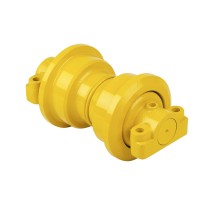
Laufrolle CNH PL40 einseitig
0 Review(s) 

A single flange track roller is an important component in the crawler undercarriage system, used in construction machinery such as crawler excavators, bulldozers, and other heavy equipment operating in challenging terrain. These rollers provide smooth movement and even weight distribution of the machine on the tracks, which helps minimize part wear and reduces the impact on the ground over which the machine moves.

SINGLE FLANGE TRACK ROLLER - DIMENSIONS

Internal width between the roller flanges 184 mm

TRACK ROLLER CATERPILLAR - FUNCTION AND CONSTRUCTION

A single flange track roller differs from its double flange counterpart in that it has only one flange, responsible for properly guiding the track. This single flange is located on one side of the roller and works with the inner surface of the track links, allowing them to maintain their proper position. The absence of a second flange means that the track roller is more commonly used in machines operating under lower loads or in conditions where lateral forces are limited.

Key components of the single flange roller construction:

  • Roller body – Made of high wear-resistant steel. Its purpose is to transfer the machine's mass and working forces.
  • Flange (projection) – One flange located on one side of the roller, which keeps the track on the correct path. It protects the tracks from slipping off the roller.
  • Bearing – The interior of the roller contains bearings that allow for smooth rotation of the roller under load. The bearings are lubricated and often sealed, minimizing maintenance needs.
  • Seals – Rollers are equipped with special seals that prevent dirt, water, and contaminants from entering, extending the component's lifespan.

  • Single flange rollers are primarily used in medium and smaller-sized crawler machines that do not experience as high lateral forces as, for example, bulldozers working on steep slopes. Examples of such applications include:
  • Crawler excavators – Especially those operating in moderate terrain conditions, where guiding the track is more important than counteracting lateral forces.
  • Mini excavators and smaller bulldozers – In smaller machines, the weight distributed on the undercarriage system is not as great, making single flange rollers sufficiently durable.
  • Machines for transporting aggregates or other crawler devices – These machines often operate in conditions where a lightweight undercarriage and lower lateral loads are required.

SINGLE FLANGE TRACK ROLLER - UF184F0T

The roller shell is made of deep-hardened steel and designed to be resistant to vibrations. Hardness 50 – 58 HRC. Shafts and bearings are designed to reduce friction and wear while ensuring maximum strength. Lubricated for the entire service life for minimal maintenance.

Single flange track rollers increasingly utilize modern materials today, such as high-strength metal alloys and innovative protective coatings. Key innovations include:

  • Surface hardening – This technology significantly increases wear resistance and strength, particularly important when working in harsh conditions.
  • Multi-layer seals – Advanced sealing systems offer better protection for bearings against dirt and moisture, extending the lifespan of the rollers.

Single flange track rollers are a key component of many machines moving on tracks, especially those working in moderate terrain conditions. Due to their simplified construction and lower operating costs, they are a popular choice for machines with lower lateral loads. However, it is important to remember that the selection of appropriate rollers must consider specific working conditions, load levels, and terrain types to ensure optimal efficiency and durability of the undercarriage system.

Laufrolle O&K RH7.6 HD einseitig
0 Review(s) 

A single flange track roller is a crucial component of the crawler undercarriage system, widely used in construction machinery such as crawler excavators, bulldozers, and other heavy vehicles operating in challenging terrain conditions. This roller plays a key role in ensuring the smooth movement of the machine and the even distribution of its weight on the tracks, which contributes to reducing component wear and minimizing the impact on the ground.

SINGLE FLANGE TRACK ROLLER - DIMENSIONS

Internal width between the roller flanges 184 mm

CATERPILLAR TRACK ROLLER - FUNCTION AND CONSTRUCTION

The single flange track roller, unlike the double flange version, has only one flange, which serves to guide the track along a designated path. The flange located on one side of the roller interacts with the inner side of the track links, keeping it on the correct track. The absence of a second flange means that the track roller is typically used in machines with lower loads or in working conditions where there are smaller lateral forces.

Key elements of the single flange roller construction:

  • Roller body – Made of high wear-resistant steel. Its purpose is to transfer the machine's mass and working forces.
  • Flange (projection) – One flange located on one side of the roller, which keeps the track on the correct path. It prevents the track from slipping off the roller.
  • Bearing – The interior of the roller contains bearings that allow for smooth rotation of the roller under load. The bearings are lubricated and often sealed, minimizing maintenance needs.
  • Seals – The rollers are equipped with special seals that prevent dirt, water, and contaminants from entering, which extends the component's lifespan.

  • Single flange rollers are mainly used in medium and smaller crawler machines that do not experience such high lateral forces as, for example, bulldozers working on steep slopes. Examples of such applications include:
  • Crawler excavators – Especially those operating in moderate terrain conditions, where guiding the track is more important than counteracting lateral forces.
  • Mini excavators and smaller bulldozers – In smaller machines, the weight distributed on the undercarriage is not as significant, making single flange rollers sufficiently durable.
  • Machines for transporting aggregates or other crawler devices – These machines often operate in conditions where a lightweight undercarriage and lower lateral loads are required.

SINGLE FLANGE TRACK ROLLER - UF184F0E

The roller shell is made of deep-hardened steel and designed to be resistant to vibrations. Hardness 50 – 58 HRC. Shafts and bearings are designed to reduce friction and wear while ensuring maximum strength. Lubricated for the entire service life for minimal maintenance.

Modern single flange track rollers increasingly utilize advanced materials, such as high-strength alloys and modern protective coatings. Among the innovations, the following can be highlighted:

  • Surface hardening – This process increases strength and wear resistance, which is particularly important in conditions of intensive use.
  • Multi-layer seals – Modern sealing systems more effectively protect bearings from contaminants and moisture, resulting in longer component lifespan.

Single flange track rollers are a key element of many crawler machines, especially those operating in moderate terrain conditions. Due to their simpler construction and lower operating costs, they are often chosen for machines exposed to lower lateral loads. Nevertheless, the selection of appropriate rollers for a machine should consider specific working conditions, load levels, and terrain types to ensure maximum efficiency and durability of the undercarriage.

Laufrolle DRESSTA TD15 E einseitig gezahnt
0 Review(s) 

Rolki jezdne jednokrawędziowe (ang. single flange track rollers) to kluczowe komponenty układu podwozia gąsienicowego, powszechnie stosowane w maszynach budowlanych, takich jak koparki gąsienicowe, spycharki oraz inne maszyny ciężkie poruszające się po trudnym terenie. Rolki te pełnią istotną funkcję w zapewnieniu płynnego ruchu oraz równomiernego rozłożenia ciężaru maszyny na gąsienice, co minimalizuje zużycie podzespołów oraz podłoża, po którym maszyna się porusza.

ROLKA JEZDNA JEDNOKRAWĘDZIOWA - WYMIARY

Szerokość wewnętrzna pomiędzy kołnierzami rolki 184 mm

ROLKA JEZDNA CATERPILLAR - FUNKCJA I BUDOWA

Rolki jezdne jednokrawędziowe, w przeciwieństwie do swoich dwukrawędziowych odpowiedników, mają tylko jedną wypustkę (flanszę), która prowadzi gąsienicę w odpowiedniej linii ruchu. Flansza ta, znajdująca się z jednej strony rolki, współpracuje z wewnętrzną powierzchnią ogniw gąsienicy, utrzymując je w prawidłowej pozycji na drodze roboczej. Brak drugiej flanszy na rolce sprawia, że komponent ten jest zazwyczaj stosowany w maszynach o mniejszym obciążeniu lub w specyficznych warunkach pracy, gdzie obciążenie boczne jest mniejsze.

Kluczowe elementy budowy rolki jednokrawędziowej:

  • Korpus rolki – Wykonany ze stali o wysokiej wytrzymałości na ścieranie. Ma za zadanie przenoszenie masy maszyny oraz sił roboczych.
  • Flansza (wypustka) – Jedna flansza umieszczona po jednej stronie rolki, która utrzymuje gąsienicę na właściwym torze. Chroni gąsienice przed zsunięciem się z rolki.
  • Łożyskowanie – Wnętrze rolki zawiera łożyska, które umożliwiają płynne obracanie się rolki pod obciążeniem. Łożyska są smarowane i często zapieczętowane, co minimalizuje potrzebę konserwacji.
  • Uszczelnienia – Rolki wyposażone są w specjalne uszczelnienia zapobiegające przedostawaniu się brudu, wody i zanieczyszczeń, co przedłuża żywotność komponentu.

  • Rolki jednokrawędziowe znajdują zastosowanie głównie w maszynach gąsienicowych o średnich i mniejszych gabarytach, które nie podlegają tak wysokim siłom bocznym jak np. spycharki pracujące na stromych nachyleniach. Przykłady takich zastosowań to:
  • Koparki gąsienicowe – Szczególnie te pracujące w średnich warunkach terenowych, gdzie ważniejsze jest prowadzenie gąsienicy niż przeciwdziałanie siłom bocznym.
  • Mini koparki i mniejsze spycharki – W mniejszych maszynach ciężar rozłożony na układ podwozia nie jest tak duży, co sprawia, że rolki jednokrawędziowe są wystarczająco wytrzymałe.
  • Maszyny do transportu kruszywa lub inne urządzenia gąsienicowe – Te maszyny często poruszają się w warunkach, gdzie potrzebna jest lekkość układu podwozia i mniejsze obciążenia boczne.

ROLKA JEZDNA JEDNOKRAWĘDZIOWA - UF184D1T

Płaszcz rolki z głęboko hartowanej stali i zaprojektowany tak, aby był odporny na drgania. Hartowanie 50 – 58 HRC. Wały i łożyska są zaprojektowane tak, aby zmniejszyć tarcie i zużycie oraz zapewnić maksymalną wytrzymałość. Smarowane na cały okres eksploatacji w celu minimalnej konserwacji.

Współczesne rolki jednokrawędziowe coraz częściej wykorzystują zaawansowane materiały, takie jak stopy o wysokiej wytrzymałości i nowoczesne powłoki ochronne. Wśród innowacji można wyróżnić:

  • Hartowanie powierzchniowe – Proces ten zwiększa wytrzymałość i odporność na zużycie, co jest szczególnie istotne w warunkach intensywnej eksploatacji.
  • Uszczelnienia wielowarstwowe – Nowoczesne systemy uszczelnień skuteczniej chronią łożyska przed zanieczyszczeniami i wilgocią, co przekłada się na dłuższą żywotność komponentów.

    Rolki jezdne jednokrawędziowe są niezbędnym elementem wielu maszyn gąsienicowych, zwłaszcza tych pracujących w umiarkowanych warunkach terenowych. Ich prostsza konstrukcja i niższe koszty eksploatacji sprawiają, że są popularnym wyborem dla maszyn o mniejszych obciążeniach bocznych. Wybór odpowiednich rolek do maszyny powinien jednak zawsze uwzględniać specyficzne warunki pracy, obciążenie i typ terenu, aby zapewnić optymalną wydajność oraz długowieczność układu podwozia.

Laufrolle DRESSTA TD12 CXP einseitig gezahnt
0 Review(s) 

A single flange track roller is an important component in the crawler undercarriage system, used in construction machinery such as crawler excavators, bulldozers, and other heavy equipment operating in challenging terrain. These rollers provide smooth movement and even weight distribution of the machine on the tracks, which helps minimize part wear and reduces the impact on the ground over which the machine moves.

SINGLE FLANGE TRACK ROLLER - DIMENSIONS

Internal width between the roller flanges 184 mm

TRACK ROLLER CATERPILLAR - FUNCTION AND CONSTRUCTION

A single flange track roller differs from its double flange counterpart in that it has only one flange, responsible for properly guiding the track. This single flange is located on one side of the roller and works with the inner surface of the track links, allowing them to maintain their proper position. The absence of a second flange means that the track roller is more commonly used in machines operating under lower loads or in conditions where lateral forces are limited.

Key components of the single flange roller construction:

  • Roller body – Made of high wear-resistant steel. Its purpose is to transfer the machine's mass and working forces.
  • Flange (projection) – One flange located on one side of the roller, which keeps the track on the correct path. It protects the tracks from slipping off the roller.
  • Bearing – The interior of the roller contains bearings that allow for smooth rotation of the roller under load. The bearings are lubricated and often sealed, minimizing maintenance needs.
  • Seals – Rollers are equipped with special seals that prevent dirt, water, and contaminants from entering, extending the component's lifespan.

  • Single flange rollers are primarily used in medium and smaller crawler machines that do not experience as high lateral forces as, for example, bulldozers working on steep slopes. Examples of such applications include:
  • Crawler excavators – Especially those operating in moderate terrain conditions, where guiding the track is more important than counteracting lateral forces.
  • Mini excavators and smaller bulldozers – In smaller machines, the weight distributed on the undercarriage system is not as great, making single flange rollers sufficiently durable.
  • Machines for transporting aggregates or other crawler devices – These machines often operate in conditions where a lightweight undercarriage and lower lateral loads are required.

SINGLE FLANGE TRACK ROLLER - UF184D0T

The roller shell is made of deep-hardened steel and designed to be resistant to vibrations. Hardness 50 – 58 HRC. Shafts and bearings are designed to reduce friction and wear while ensuring maximum strength. Lubricated for the entire service life to minimize maintenance.

Single flange track rollers increasingly utilize modern materials today, such as high-strength metal alloys and innovative protective coatings. Key innovations include:

  • Surface hardening – This technology significantly increases wear resistance and strength, particularly important when working in harsh conditions.
  • Multi-layer seals – Advanced sealing systems offer better protection for bearings against dirt and moisture, extending the lifespan of the rollers.

Single flange track rollers are a key component of many machines moving on tracks, especially those working in moderate terrain conditions. Due to their simplified construction and lower operating costs, they are a popular choice for machines with lower lateral loads. However, it is important to remember that the selection of appropriate rollers must consider specific working conditions, load levels, and terrain types to ensure optimal efficiency and durability of the undercarriage system.

Laufrolle HITACHI EX220 einseitig
0 Review(s) 

A single flange track roller is a crucial component of the crawler undercarriage system, widely used in construction machinery such as crawler excavators, bulldozers, and other heavy vehicles operating in challenging terrain conditions. This roller plays a key role in ensuring the smooth movement of the machine and the even distribution of its weight on the tracks, which contributes to reducing component wear and minimizing the impact on the ground.

SINGLE FLANGE TRACK ROLLER - DIMENSIONS

Internal width between the roller flanges 180 mm

CATERPILLAR TRACK ROLLER - FUNCTION AND CONSTRUCTION

The single flange track roller, unlike the double flange version, has only one flange, which serves to guide the track along a designated path. The flange located on one side of the roller interacts with the inner side of the track links, keeping it on the correct track. The absence of a second flange means that the track roller is typically used in machines with lower loads or in working conditions where there are smaller lateral forces.

Key elements of the single flange roller construction:

  • Roller body – Made of high wear-resistant steel. Its purpose is to transfer the machine's mass and working forces.
  • Flange (projection) – One flange located on one side of the roller, which keeps the track on the correct path. It prevents the track from slipping off the roller.
  • Bearing – The interior of the roller contains bearings that allow for smooth rotation of the roller under load. The bearings are lubricated and often sealed, minimizing maintenance needs.
  • Seals – The rollers are equipped with special seals that prevent dirt, water, and contaminants from entering, which extends the component's lifespan.

  • Single flange rollers are mainly used in medium and smaller crawler machines that do not experience such high lateral forces as, for example, bulldozers working on steep slopes. Examples of such applications include:
  • Crawler excavators – Especially those operating in moderate terrain conditions, where guiding the track is more important than counteracting lateral forces.
  • Mini excavators and smaller bulldozers – In smaller machines, the weight distributed on the undercarriage is not as significant, making single flange rollers sufficiently durable.
  • Machines for transporting aggregates or other crawler devices – These machines often operate in conditions where a lightweight undercarriage and lower lateral loads are required.

SINGLE FLANGE TRACK ROLLER - UF180H0E

The roller shell is made of deep-hardened steel and designed to be resistant to vibrations. Hardness 50 – 58 HRC. The shafts and bearings are designed to reduce friction and wear while ensuring maximum strength. Lubricated for the entire service life for minimal maintenance.

Modern single flange track rollers increasingly utilize advanced materials, such as high-strength alloys and modern protective coatings. Among the innovations, the following can be highlighted:

  • Surface hardening – This process increases strength and wear resistance, which is particularly important in conditions of intensive use.
  • Multi-layer seals – Modern sealing systems more effectively protect bearings from contaminants and moisture, resulting in longer component lifespan.

Single flange track rollers are a key element of many crawler machines, especially those operating in moderate terrain conditions. Due to their simpler construction and lower operating costs, they are often chosen for machines exposed to lower lateral loads. Nevertheless, the selection of appropriate rollers for a machine should consider specific working conditions, load levels, and terrain types to ensure maximum efficiency and durability of the undercarriage.

Laufrolle CATERPILLAR E180 einseitig gekantet
0 Review(s) 

Single flange track rollers are key components of the crawler undercarriage system, commonly used in construction machinery such as crawler excavators, bulldozers, and other heavy equipment operating in challenging terrain. These rollers play a crucial role in ensuring smooth movement and even weight distribution of the machine on the tracks, which minimizes wear on components and the ground over which the machine travels.

SINGLE FLANGE TRACK ROLLER - DIMENSIONS

Internal width between the roller flanges 180 mm

SINGLE FLANGE TRACK ROLLER - FUNCTION AND CONSTRUCTION

Single flange track rollers, unlike their double flange counterparts, have only one flange that guides the track in the correct line of movement. This flange, located on one side of the roller, interacts with the inner surface of the track links, keeping them in the correct position on the working path. The absence of a second flange on the roller means that this component is typically used in machines with lower loads or in specific working conditions where lateral load is reduced.

Key elements of the single flange roller construction:

  • Roller body – Made of high wear-resistant steel. Its purpose is to transfer the mass of the machine and working forces.
  • Flange – One flange placed on one side of the roller, which keeps the track on the correct path. It prevents the track from slipping off the roller.
  • Bearing – The interior of the roller contains bearings that allow for smooth rotation of the roller under load. The bearings are lubricated and often sealed, which minimizes maintenance needs.
  • Seals – The rollers are equipped with special seals that prevent dirt, water, and contaminants from entering, extending the component's lifespan.

  • Single flange rollers are mainly used in medium and smaller crawler machines that do not experience such high lateral forces as, for example, bulldozers working on steep slopes. Examples of such applications include:
  • Crawler excavators – Especially those operating in moderate terrain conditions, where guiding the track is more important than counteracting lateral forces.
  • Mini excavators and smaller bulldozers – In smaller machines, the weight distributed on the undercarriage is not as great, making single flange rollers sufficiently durable.
  • Machines for transporting aggregates or other crawler devices – These machines often operate in conditions where a lightweight undercarriage and lower lateral loads are required.

SINGLE FLANGE TRACK ROLLER - UF180C0E

The roller shell is made of deep-hardened steel and designed to be resistant to vibrations. Hardness 50 – 58 HRC. Shafts and bearings are designed to reduce friction and wear while ensuring maximum strength. Lubricated for the entire service life to minimize maintenance.

Modern single flange rollers increasingly utilize advanced materials, such as high-strength alloys and modern protective coatings. Among the innovations, the following can be highlighted:

  • Surface hardening – This process increases strength and wear resistance, which is particularly important in conditions of intensive use.
  • Multi-layer seals – Modern sealing systems more effectively protect bearings from contaminants and moisture, resulting in longer component lifespan.

    Single flange track rollers are an essential element of many crawler machines, especially those operating in moderate terrain conditions. Their simpler construction and lower operating costs make them a popular choice for machines with lower lateral loads. However, the selection of appropriate rollers for a machine should always consider specific working conditions, load, and terrain type to ensure optimal performance and longevity of the undercarriage.
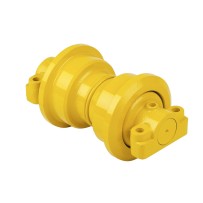
Laufrolle VOLVO EC140 D einseitig gezahnt
0 Review(s) 

A single flange track roller is an important component in the crawler undercarriage system, used in construction machines such as crawler excavators, bulldozers, and other heavy equipment operating in challenging terrain. These rollers provide smooth movement and even weight distribution of the machine on the tracks, which helps minimize part wear and reduces the impact on the ground over which the machine moves.

SINGLE FLANGE TRACK ROLLER - DIMENSIONS

Internal width between the roller flanges 176 mm

CATERPILLAR TRACK ROLLER - FUNCTION AND CONSTRUCTION

The single flange track roller differs from its double flange counterpart in that it has only one flange, responsible for properly guiding the track. This single flange is located on one side of the roller and works with the inner surface of the track links, allowing them to maintain their proper position. The absence of a second flange means that the track roller is more commonly used in machines operating under lower loads or in conditions where lateral forces are limited.

Key construction elements of the single flange roller:

  • Roller body – Made of high wear-resistant steel. Its purpose is to transfer the machine's mass and working forces.
  • Flange (projection) – One flange located on one side of the roller, which keeps the track on the correct path. It protects the tracks from slipping off the roller.
  • Bearing – The interior of the roller contains bearings that allow for smooth rotation of the roller under load. The bearings are lubricated and often sealed, minimizing maintenance needs.
  • Seals – Rollers are equipped with special seals that prevent dirt, water, and contaminants from entering, extending the component's lifespan.

  • Single flange rollers are mainly used in medium and smaller crawler machines that do not experience as high lateral forces as, for example, bulldozers working on steep slopes. Examples of such applications include:
  • Crawler excavators – Especially those operating in moderate terrain conditions, where guiding the track is more important than counteracting lateral forces.
  • Mini excavators and smaller bulldozers – In smaller machines, the weight distributed on the undercarriage system is not as great, making single flange rollers sufficiently durable.
  • Machines for transporting aggregates or other crawler devices – These machines often operate in conditions where a lightweight undercarriage and lower lateral loads are required.

SINGLE FLANGE TRACK ROLLER - UF176W0E

The roller shell is made of deep-hardened steel and designed to be resistant to vibrations. Hardness 50 – 58 HRC. Shafts and bearings are designed to reduce friction and wear while ensuring maximum strength. Lubricated for the entire service life for minimal maintenance.

Single flange track rollers increasingly utilize modern materials today, such as high-strength metal alloys and innovative protective coatings. Key innovations include:

  • Surface hardening – This technology significantly increases wear resistance and strength, particularly important when working in harsh conditions.
  • Multi-layer seals – Advanced sealing systems offer better protection for bearings against dirt and moisture, extending the lifespan of the rollers.

Single flange track rollers are a key component of many machines moving on tracks, especially those working in moderate terrain conditions. Due to their simplified construction and lower operating costs, they are a popular choice for machines with lower lateral loads. However, it is important to remember that the selection of appropriate rollers must consider specific working conditions, load levels, and terrain types to ensure optimal efficiency and durability of the undercarriage system.

Laufrolle HYUNDAI R250 einseitig
0 Review(s) 

A single flange track roller is a crucial component of the crawler undercarriage system, widely used in construction machinery such as crawler excavators, bulldozers, and other heavy vehicles operating in challenging terrain conditions. This roller plays a key role in ensuring the smooth movement of the machine and the even distribution of its weight on the tracks, which contributes to reducing component wear and minimizing the impact on the ground.

SINGLE FLANGE TRACK ROLLER - DIMENSIONS

Internal width between the roller flanges 176 mm

TRACK ROLLER CATERPILLAR - FUNCTION AND CONSTRUCTION

The single flange track roller, unlike the double flange version, has only one flange, which serves to guide the track along a designated path. The flange located on one side of the roller interacts with the inner side of the track links, keeping it on the correct track. The absence of a second flange means that the track roller is typically used in machines with lower loads or in working conditions where there are smaller lateral forces.

Key elements of the single flange roller construction:

  • Roller body – Made of high wear-resistant steel. Its purpose is to transfer the machine's mass and working forces.
  • Flange (projection) – One flange located on one side of the roller, which keeps the track on the correct path. It prevents the track from slipping off the roller.
  • Bearing – The interior of the roller contains bearings that allow for smooth rotation of the roller under load. The bearings are lubricated and often sealed, minimizing maintenance needs.
  • Seals – The rollers are equipped with special seals that prevent dirt, water, and contaminants from entering, which extends the component's lifespan.

  • Single flange rollers are mainly used in medium and smaller crawler machines that do not experience such high lateral forces as, for example, bulldozers working on steep slopes. Examples of such applications include:
  • Crawler excavators – Especially those operating in moderate terrain conditions, where guiding the track is more important than counteracting lateral forces.
  • Mini excavators and smaller bulldozers – In smaller machines, the weight distributed on the undercarriage system is not as high, making single flange rollers sufficiently durable.
  • Machines for transporting aggregates or other crawler devices – These machines often operate in conditions where a lightweight undercarriage and lower lateral loads are required.

SINGLE FLANGE TRACK ROLLER - UF176E1E

The roller shell is made of deep-hardened steel and designed to be resistant to vibrations. Hardness 50 – 58 HRC. The shafts and bearings are designed to reduce friction and wear while ensuring maximum strength. Lubricated for the entire service life to minimize maintenance.

Modern single flange track rollers increasingly utilize advanced materials, such as high-strength alloys and modern protective coatings. Among the innovations, the following can be highlighted:

  • Surface hardening – This process increases strength and wear resistance, which is particularly important in conditions of intensive use.
  • Multi-layer seals – Modern sealing systems more effectively protect bearings from contaminants and moisture, resulting in longer component lifespan.

Single flange track rollers are a key element of many crawler machines, especially those operating in moderate terrain conditions. Due to their simpler construction and lower operating costs, they are often chosen for machines exposed to lower lateral loads. Nevertheless, the selection of appropriate rollers for a machine should consider specific working conditions, load levels, and terrain types to ensure maximum efficiency and durability of the undercarriage.

Laufrolle HYUNDAI HX180 einseitig
0 Review(s) 

Single flange track rollers are key components of the crawler undercarriage system, commonly used in construction machinery such as crawler excavators, bulldozers, and other heavy equipment operating in challenging terrain. These rollers play a crucial role in ensuring smooth movement and even weight distribution of the machine on the tracks, which minimizes wear on components and the ground over which the machine travels.

SINGLE FLANGE TRACK ROLLER - DIMENSIONS

Internal width between the roller flanges 176 mm

CATERPILLAR TRACK ROLLER - FUNCTION AND CONSTRUCTION

Single flange track rollers, unlike their double flange counterparts, have only one flange that guides the track in the correct line of movement. This flange, located on one side of the roller, interacts with the inner surface of the track links, keeping them in the correct position on the working path. The absence of a second flange on the roller means that this component is typically used in machines with lower loads or in specific working conditions where lateral loads are reduced.

Key elements of single flange roller construction:

  • Roller body – Made of high wear-resistant steel. Its purpose is to transfer the mass of the machine and working forces.
  • Flange – One flange placed on one side of the roller, which keeps the track on the correct path. It protects the tracks from slipping off the roller.
  • Bearing – The interior of the roller contains bearings that allow for smooth rotation of the roller under load. The bearings are lubricated and often sealed, which minimizes maintenance needs.
  • Seals – Rollers are equipped with special seals that prevent dirt, water, and contaminants from entering, extending the component's lifespan.

  • Single flange rollers are mainly used in medium and smaller crawler machines that do not experience such high lateral forces as, for example, bulldozers working on steep slopes. Examples of such applications include:
  • Crawler excavators – Especially those operating in moderate terrain conditions, where guiding the track is more important than counteracting lateral forces.
  • Mini excavators and smaller bulldozers – In smaller machines, the weight distributed on the undercarriage is not as great, making single flange rollers sufficiently durable.
  • Machines for transporting aggregates or other crawler devices – These machines often operate in conditions where a lightweight undercarriage and lower lateral loads are required.

SINGLE FLANGE TRACK ROLLER - UF176E0E

The roller shell is made of deep-hardened steel and designed to be resistant to vibrations. Hardness 50 – 58 HRC. Shafts and bearings are designed to reduce friction and wear while ensuring maximum strength. Lubricated for the entire service life to minimize maintenance.

Modern single flange rollers increasingly utilize advanced materials, such as high-strength alloys and modern protective coatings. Among the innovations, the following can be highlighted:

  • Surface hardening – This process increases strength and wear resistance, which is particularly important in conditions of intensive use.
  • Multi-layer seals – Modern sealing systems more effectively protect bearings from contaminants and moisture, resulting in longer component lifespan.

    Single flange track rollers are an essential element of many crawler machines, especially those operating in moderate terrain conditions. Their simpler construction and lower operating costs make them a popular choice for machines with lower lateral loads. However, the selection of appropriate rollers for a machine should always consider specific working conditions, load, and terrain type to ensure optimal performance and longevity of the undercarriage.
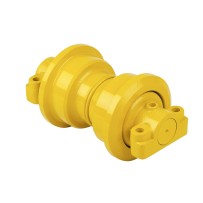
Laufrolle CATERPILLAR 322 einseitig gezahnt
0 Review(s) 

A single flange track roller is an important component in the crawler undercarriage system, used in construction machines such as crawler excavators, bulldozers, and other heavy equipment operating in challenging terrain. These rollers provide smooth movement and even weight distribution of the machine on the tracks, which helps minimize part wear and reduces the impact on the ground over which the machine moves.

SINGLE FLANGE TRACK ROLLER - DIMENSIONS

Internal width between the roller flanges 176 mm

TRACK ROLLER CATERPILLAR - FUNCTION AND CONSTRUCTION

The single flange track roller differs from its double flange counterpart in that it has only one flange, responsible for properly guiding the track. This single flange is located on one side of the roller and works with the inner surface of the track links, allowing them to maintain their proper position. The absence of a second flange means that the track roller is more commonly used in machines operating under lower loads or in conditions where lateral forces are limited.

Key construction elements of the single flange roller:

  • Roller body – Made of high wear-resistant steel. Its purpose is to transfer the machine's mass and working forces.
  • Flange (projection) – One flange located on one side of the roller, which keeps the track on the correct path. It protects the tracks from slipping off the roller.
  • Bearing – The interior of the roller contains bearings that allow for smooth rotation of the roller under load. The bearings are lubricated and often sealed, minimizing maintenance needs.
  • Seals – Rollers are equipped with special seals that prevent dirt, water, and contaminants from entering, extending the component's lifespan.

  • Single flange rollers are mainly used in medium and smaller crawler machines that do not experience as high lateral forces as, for example, bulldozers working on steep slopes. Examples of such applications include:
  • Crawler excavators – Especially those operating in moderate terrain conditions, where guiding the track is more important than counteracting lateral forces.
  • Mini excavators and smaller bulldozers – In smaller machines, the weight distributed on the undercarriage system is not as great, making single flange rollers sufficiently durable.
  • Machines for transporting aggregates or other crawler devices – These machines often operate in conditions where a lightweight undercarriage and lower lateral loads are required.

SINGLE FLANGE TRACK ROLLER - UF176C1E

The roller shell is made of deep-hardened steel and designed to be resistant to vibrations. Hardness 50 – 58 HRC. Shafts and bearings are designed to reduce friction and wear while ensuring maximum strength. Lubricated for the entire service life for minimal maintenance.

Single flange track rollers increasingly utilize modern materials today, such as high-strength metal alloys and innovative protective coatings. Key innovations include:

  • Surface hardening – This technology significantly increases wear resistance and strength, particularly important when working in harsh conditions.
  • Multi-layer seals – Advanced sealing systems offer better protection for bearings against dirt and moisture, extending the lifespan of the rollers.

Single flange track rollers are a key component of many machines moving on tracks, especially those working in moderate terrain conditions. Due to their simplified construction and lower operating costs, they are a popular choice for machines with lower lateral loads. However, it is important to remember that the selection of appropriate rollers must consider specific working conditions, load levels, and terrain types to ensure optimal efficiency and durability of the undercarriage system.

Laufrolle CATERPILLAR 321 D einseitig
0 Review(s) 

A single flange track roller is a crucial component of the crawler undercarriage system, widely used in construction machinery such as crawler excavators, bulldozers, and other heavy vehicles operating in challenging terrain conditions. This roller plays a key role in ensuring the smooth movement of the machine and the even distribution of its weight on the tracks, which contributes to reducing component wear and minimizing the impact on the ground.

SINGLE FLANGE TRACK ROLLER - DIMENSIONS

Internal width between the roller flanges 176 mm

TRACK ROLLER CATERPILLAR - FUNCTION AND CONSTRUCTION

The single flange track roller, unlike the double flange version, has only one flange, which serves to guide the track along a designated path. The flange located on one side of the roller interacts with the inner side of the track links, keeping it on the correct track. The absence of a second flange means that the track roller is typically used in machines with lower loads or in working conditions where there are smaller lateral forces.

Key elements of the single flange roller construction:

  • Roller body – Made of high wear-resistant steel. Its purpose is to transfer the machine's mass and working forces.
  • Flange (projection) – One flange located on one side of the roller, which keeps the track on the correct path. It prevents the track from slipping off the roller.
  • Bearing – The interior of the roller contains bearings that allow for smooth rotation of the roller under load. The bearings are lubricated and often sealed, minimizing maintenance needs.
  • Seals – The rollers are equipped with special seals that prevent dirt, water, and contaminants from entering, which extends the component's lifespan.

  • Single flange rollers are mainly used in medium and smaller crawler machines that do not experience such high lateral forces as, for example, bulldozers working on steep slopes. Examples of such applications include:
  • Crawler excavators – Especially those operating in moderate terrain conditions, where guiding the track is more important than countering lateral forces.
  • Mini excavators and smaller bulldozers – In smaller machines, the weight distributed on the undercarriage system is not as high, making single flange rollers sufficiently durable.
  • Machines for transporting aggregates or other crawler devices – These machines often operate in conditions where a lightweight undercarriage and lower lateral loads are required.

SINGLE FLANGE TRACK ROLLER - UF176C0E

The roller shell is made of deep-hardened steel and designed to be resistant to vibrations. Hardness 50 – 58 HRC. The shafts and bearings are designed to reduce friction and wear while ensuring maximum strength. Lubricated for the entire service life to minimize maintenance.

Modern single flange track rollers increasingly utilize advanced materials, such as high-strength alloys and modern protective coatings. Among the innovations, the following can be highlighted:

  • Surface hardening – This process increases strength and wear resistance, which is particularly important in conditions of intensive use.
  • Multi-layer seals – Modern sealing systems more effectively protect bearings from contaminants and moisture, resulting in longer component lifespan.

Single flange track rollers are a key element of many crawler machines, especially those operating in moderate terrain conditions. Due to their simpler construction and lower operating costs, they are often chosen for machines exposed to lower lateral loads. Nevertheless, the selection of appropriate rollers for a machine should consider specific working conditions, load levels, and terrain types to ensure maximum efficiency and durability of the undercarriage.

Laufrolle GRADALL XL5210 einseitig
0 Review(s) 

Single flange track rollers are key components of the crawler undercarriage, commonly used in construction machinery such as crawler excavators, bulldozers, and other heavy equipment operating in challenging terrain. These rollers play a crucial role in ensuring smooth movement and even weight distribution of the machine on the tracks, which minimizes wear on components and the ground over which the machine travels.

SINGLE FLANGE TRACK ROLLER - DIMENSIONS

Internal width between the roller flanges 175 mm

CATERPILLAR TRACK ROLLER - FUNCTION AND CONSTRUCTION

Single flange track rollers, unlike their double flange counterparts, have only one flange that guides the track in the correct line of movement. This flange, located on one side of the roller, interacts with the inner surface of the track links, keeping them in the correct position on the working path. The absence of a second flange on the roller means that this component is typically used in machines with lower loads or in specific working conditions where lateral loads are reduced.

Key elements of the single flange roller construction:

  • Roller body – Made of high wear-resistant steel. Its purpose is to transfer the mass of the machine and working forces.
  • Flange – One flange placed on one side of the roller, which keeps the track on the correct path. It prevents the track from slipping off the roller.
  • Bearing – The interior of the roller contains bearings that allow for smooth rotation of the roller under load. The bearings are lubricated and often sealed, which minimizes maintenance needs.
  • Seals – The rollers are equipped with special seals that prevent dirt, water, and contaminants from entering, extending the component's lifespan.

  • Single flange rollers are mainly used in medium and smaller crawler machines that do not experience such high lateral forces as, for example, bulldozers working on steep slopes. Examples of such applications include:
  • Crawler excavators – Especially those operating in moderate terrain conditions, where guiding the track is more important than counteracting lateral forces.
  • Mini excavators and smaller bulldozers – In smaller machines, the weight distributed on the undercarriage is not as high, making single flange rollers sufficiently durable.
  • Machines for transporting aggregates or other crawler devices – These machines often operate in conditions where a lightweight undercarriage and lower lateral loads are required.

SINGLE FLANGE TRACK ROLLER - UF175J0E

The roller shell is made of deep-hardened steel and designed to be resistant to vibrations. Hardness 50 – 58 HRC. Shafts and bearings are designed to reduce friction and wear while ensuring maximum strength. Lubricated for the entire service life to minimize maintenance.

Modern single flange rollers increasingly utilize advanced materials, such as high-strength alloys and modern protective coatings. Among the innovations, the following can be highlighted:

  • Surface hardening – This process increases strength and wear resistance, which is particularly important in conditions of intensive use.
  • Multi-layer seals – Modern sealing systems more effectively protect bearings from contaminants and moisture, resulting in longer component lifespan.

    Single flange track rollers are an essential element of many crawler machines, especially those operating in moderate terrain conditions. Their simpler construction and lower operating costs make them a popular choice for machines with lower lateral loads. However, the selection of appropriate rollers for a machine should always consider specific working conditions, load, and terrain type to ensure optimal performance and longevity of the undercarriage.
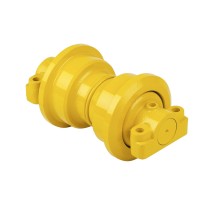
Laufrolle CASE 75 CS einseitig laufend
0 Review(s) 

A single flange track roller is a crucial component of the crawler undercarriage system, widely used in construction machinery such as crawler excavators, bulldozers, and other heavy vehicles operating in challenging terrain conditions. This roller plays a key role in ensuring the smooth movement of the machine and the even distribution of its weight on the tracks, which contributes to reducing component wear and minimizing the impact on the ground.

SINGLE FLANGE TRACK ROLLER - DIMENSIONS

Internal width between the roller flanges 173 mm

CATERPILLAR TRACK ROLLER - FUNCTION AND CONSTRUCTION

The single flange track roller, unlike the double flange version, has only one flange, which serves to guide the track along a designated path. The flange located on one side of the roller interacts with the inner side of the track links, keeping it on the correct track. The absence of a second flange means that the track roller is typically used in machines with lower loads or in working conditions where there are smaller lateral forces.

Key elements of the single flange roller construction:

  • Roller body – Made of high wear-resistant steel. Its purpose is to transfer the machine's mass and working forces.
  • Flange (projection) – One flange located on one side of the roller, which keeps the track on the correct path. It prevents the track from slipping off the roller.
  • Bearing – The interior of the roller contains bearings that allow for smooth rotation of the roller under load. The bearings are lubricated and often sealed, minimizing maintenance needs.
  • Seals – The rollers are equipped with special seals that prevent dirt, water, and contaminants from entering, which extends the component's lifespan.

  • Single flange rollers are mainly used in crawler machines of medium and smaller sizes, which do not experience such high lateral forces as, for example, bulldozers working on steep slopes. Examples of such applications include:
  • Crawler excavators – Especially those operating in moderate terrain conditions, where guiding the track is more important than counteracting lateral forces.
  • Mini excavators and smaller bulldozers – In smaller machines, the weight distributed on the undercarriage system is not as great, making single flange rollers sufficiently durable.
  • Machines for transporting aggregates or other crawler devices – These machines often operate in conditions where a lightweight undercarriage and lower lateral loads are required.

SINGLE FLANGE TRACK ROLLER - UF173T0E

The roller shell is made of deep-hardened steel and designed to be resistant to vibrations. Hardness 50 – 58 HRC. The shafts and bearings are designed to reduce friction and wear while ensuring maximum strength. Lubricated for the entire service life to minimize maintenance.

Modern single flange track rollers increasingly utilize advanced materials, such as high-strength alloys and modern protective coatings. Among the innovations, the following can be highlighted:

  • Surface hardening – This process increases strength and wear resistance, which is particularly important in conditions of intensive use.
  • Multi-layer seals – Modern sealing systems more effectively protect bearings from contaminants and moisture, resulting in longer component lifespan.

Single flange track rollers are a key element of many crawler machines, especially those operating in moderate terrain conditions. Due to their simpler construction and lower operating costs, they are often chosen for machines exposed to lower lateral loads. Nevertheless, the selection of appropriate rollers for a machine should consider specific working conditions, load levels, and terrain types to ensure maximum efficiency and durability of the undercarriage.

Laufrolle JCB JS260 einseitig
0 Review(s) 

Single flange track rollers are key components of the crawler undercarriage system, commonly used in construction machinery such as crawler excavators, bulldozers, and other heavy equipment operating in challenging terrain. These rollers play a crucial role in ensuring smooth movement and even weight distribution of the machine on the tracks, which minimizes wear on components and the ground over which the machine travels.

SINGLE FLANGE TRACK ROLLER - DIMENSIONS

Internal width between the roller flanges 173 mm

CATERPILLAR TRACK ROLLER - FUNCTION AND CONSTRUCTION

Single flange track rollers, unlike their double flange counterparts, have only one flange that guides the track in the correct line of movement. This flange, located on one side of the roller, interacts with the inner surface of the track links, keeping them in the correct position on the working path. The absence of a second flange on the roller means that this component is typically used in machines with lower loads or in specific working conditions where lateral loads are reduced.

Key elements of the single flange roller construction:

  • Roller body – Made of high wear-resistant steel. Its purpose is to transfer the weight of the machine and working forces.
  • Flange – One flange placed on one side of the roller, which keeps the track on the correct path. It protects the tracks from slipping off the roller.
  • Bearing – The interior of the roller contains bearings that allow for smooth rotation of the roller under load. The bearings are lubricated and often sealed, which minimizes maintenance needs.
  • Seals – The rollers are equipped with special seals that prevent dirt, water, and contaminants from entering, extending the component's lifespan.

  • Single flange rollers are mainly used in medium and smaller crawler machines that do not experience such high lateral forces as, for example, bulldozers working on steep slopes. Examples of such applications include:
  • Crawler excavators – Especially those operating in moderate terrain conditions, where guiding the track is more important than counteracting lateral forces.
  • Mini excavators and smaller bulldozers – In smaller machines, the weight distributed on the undercarriage is not as high, making single flange rollers sufficiently durable.
  • Machines for transporting aggregates or other crawler devices – These machines often operate in conditions where a lightweight undercarriage and lower lateral loads are required.

SINGLE FLANGE TRACK ROLLER - UF173R3E

The roller shell is made of deep-hardened steel and designed to be resistant to vibrations. Hardness 50 – 58 HRC. Shafts and bearings are designed to reduce friction and wear while ensuring maximum strength. Lubricated for the entire service life to minimize maintenance.

Modern single flange rollers increasingly utilize advanced materials, such as high-strength alloys and modern protective coatings. Among the innovations, the following can be highlighted:

  • Surface hardening – This process increases strength and wear resistance, which is particularly important in conditions of intensive use.
  • Multi-layer seals – Modern sealing systems more effectively protect bearings from contaminants and moisture, resulting in longer component lifespan.

    Single flange track rollers are an essential element of many crawler machines, especially those operating in moderate terrain conditions. Their simpler construction and lower operating costs make them a popular choice for machines with lower lateral loads. However, the selection of appropriate rollers for a machine should always consider specific working conditions, load, and terrain type to ensure optimal performance and longevity of the undercarriage.
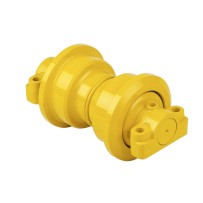
Laufrolle CASE 9030 B einseitig
0 Review(s) 

A single flange track roller is an important component in the crawler undercarriage system, used in construction machines such as crawler excavators, bulldozers, and other heavy equipment operating in challenging terrain. These rollers provide smooth movement and even weight distribution of the machine on the tracks, which helps minimize part wear and reduces the impact on the ground over which the machine moves.

SINGLE FLANGE TRACK ROLLER - DIMENSIONS

Internal width between the roller flanges 173 mm

CATERPILLAR TRACK ROLLER - FUNCTION AND CONSTRUCTION

The single flange track roller differs from its double flange counterpart in that it has only one flange, responsible for properly guiding the track. This single flange is located on one side of the roller and works with the inner surface of the track links, allowing them to maintain their proper position. The absence of a second flange means that the track roller is more commonly used in machines operating under lower loads or in conditions where lateral forces are limited.

Key construction elements of the single flange roller:

  • Roller body – Made of high wear-resistant steel. Its purpose is to transfer the machine's mass and working forces.
  • Flange (projection) – One flange located on one side of the roller, which keeps the track on the correct path. It protects the tracks from slipping off the roller.
  • Bearing – The interior of the roller contains bearings that allow for smooth rotation of the roller under load. The bearings are lubricated and often sealed, minimizing maintenance needs.
  • Seals – Rollers are equipped with special seals that prevent dirt, water, and contaminants from entering, extending the component's lifespan.

  • Single flange rollers are primarily used in medium and smaller crawler machines that do not experience such high lateral forces as, for example, bulldozers working on steep slopes. Examples of such applications include:
  • Crawler excavators – Especially those operating in moderate terrain conditions, where guiding the track is more important than counteracting lateral forces.
  • Mini excavators and smaller bulldozers – In smaller machines, the weight distributed on the undercarriage system is not as great, making single flange rollers sufficiently durable.
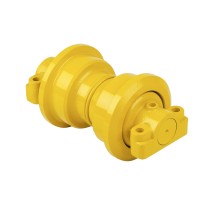
  • Machines for transporting aggregates or other crawler devices – These machines often operate in conditions where a lightweight undercarriage and lower lateral loads are required.
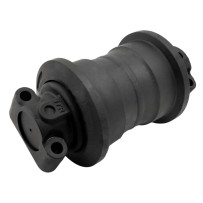
SINGLE FLANGE TRACK ROLLER - UF173R2E

The roller shell is made of deep-hardened steel and designed to be resistant to vibrations. Hardness 50 – 58 HRC. Shafts and bearings are designed to reduce friction and wear while ensuring maximum strength. Lubricated for the entire service life to minimize maintenance.

Single flange track rollers increasingly utilize modern materials today, such as high-strength metal alloys and innovative protective coatings. Key innovations include:

  • Surface hardening – This technology significantly increases wear resistance and strength, particularly important when working in harsh conditions.
  • Multi-layer seals – Advanced sealing systems offer better protection for bearings against dirt and moisture, extending the lifespan of the rollers.

Single flange track rollers are a key component of many machines moving on tracks, especially those working in moderate terrain conditions. Due to their simplified construction and lower operating costs, they are a popular choice for machines with lower lateral loads. However, it is important to remember that the selection of appropriate rollers must consider specific working conditions, load levels, and terrain types to ensure optimal efficiency and durability of the undercarriage system.

Laufrolle CASE CX210 BLR einseitig...
0 Review(s) 

A single flange track roller is a crucial component of the crawler undercarriage system, widely used in construction machinery such as crawler excavators, bulldozers, and other heavy vehicles operating in challenging terrain conditions. This roller plays a key role in ensuring the smooth movement of the machine and the even distribution of its weight on the tracks, which contributes to reducing component wear and minimizing the impact on the ground.

SINGLE FLANGE TRACK ROLLER - DIMENSIONS

Internal width between the roller flanges 173 mm

SINGLE FLANGE TRACK ROLLER - FUNCTION AND CONSTRUCTION

The single flange track roller, unlike the double flange version, has only one flange, which serves to guide the track along a designated path. The flange located on one side of the roller interacts with the inner side of the track links, keeping it on the correct track. The absence of a second flange means that the track roller is typically used in machines with lower loads or in working conditions where there are smaller lateral forces.

Key elements of the single flange roller construction:

  • Roller body – Made of high wear-resistant steel. Its purpose is to transfer the machine's mass and working forces.
  • Flange (projection) – One flange located on one side of the roller, which keeps the track on the correct path. It prevents the track from slipping off the roller.
  • Bearing – The interior of the roller contains bearings that allow for smooth rotation of the roller under load. The bearings are lubricated and often sealed, minimizing maintenance needs.
  • Seals – The rollers are equipped with special seals that prevent dirt, water, and contaminants from entering, which extends the component's lifespan.

  • Single flange rollers are mainly used in medium and smaller crawler machines that do not experience such high lateral forces as, for example, bulldozers working on steep slopes. Examples of such applications include:
  • Crawler excavators – Especially those operating in moderate terrain conditions, where guiding the track is more important than counteracting lateral forces.
  • Mini excavators and smaller bulldozers – In smaller machines, the weight distributed on the undercarriage system is not as great, making single flange rollers sufficiently durable.
  • Machines for transporting aggregates or other crawler devices – These machines often operate in conditions where a lightweight undercarriage and lower lateral loads are required.

SINGLE FLANGE TRACK ROLLER - UF173R1E

The roller shell is made of deep-hardened steel and designed to be resistant to vibrations. Hardness 50 – 58 HRC. The shafts and bearings are designed to reduce friction and wear while ensuring maximum strength. Lubricated for the entire service life to minimize maintenance.

Modern single flange track rollers increasingly utilize advanced materials, such as high-strength alloys and modern protective coatings. Among the innovations, the following can be highlighted:

  • Surface hardening – This process increases strength and wear resistance, which is particularly important in conditions of intensive use.
  • Multi-layer seals – Modern sealing systems more effectively protect bearings from contaminants and moisture, resulting in longer component lifespan.

Single flange track rollers are a key element of many crawler machines, especially those operating in moderate terrain conditions. Due to their simpler construction and lower operating costs, they are often chosen for machines exposed to lower lateral loads. Nevertheless, the selection of appropriate rollers for a machine should consider specific working conditions, load levels, and terrain types to ensure maximum efficiency and durability of the undercarriage.