Left Banner

  • LeftBanner 1

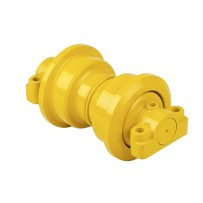
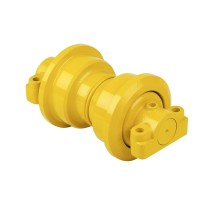
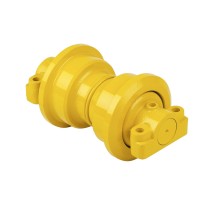
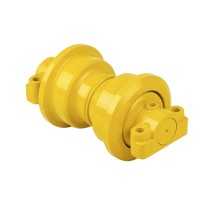
Laufrollen einseitig HYUNDAI

Einseitige Laufrollen HYUNDAI

Einseitige Laufrollen HYUNDAI sind ein wesentlicher Bestandteil des Fahrwerks von Baumaschinen, angeboten als Ersatzteile von ITR. Diese Produkte sorgen für die präzise Führung der Kette und die gleichmäßige Lastverteilung während des Maschineneinsatzes. Durch den Einsatz hochwertiger Materialien zeichnen sich die Rollen durch hohe Verschleißfestigkeit aus, was die Lebensdauer des Fahrwerks verlängert und die Betriebseffizienz erhöht. Mit den HYUNDAI-Ersatzteilen von ITR minimieren Sie Ausfallrisiken und senken Betriebskosten.

===

Hauptfunktionen der einseitigen Laufrollen

Die HYUNDAI-Laufrollen sind auf maximale Stabilität und präzise Druckverteilung der Kette auf den Untergrund ausgelegt. Zu ihren Grundfunktionen gehören:

  • Tragrolle der Kette und Ermöglichung ihrer reibungslosen Bewegung
  • Reduzierung der Reibung zwischen Kette und Untergrund zur Verlängerung der Fahrwerkslebensdauer
  • Verhinderung des Abrutschens der Kette von der Führungsbahn
  • Gleichmäßige Lastverteilung zur Minimierung des Verschleißes einzelner Komponenten
  • Reduzierung von Vibrationen zur Steigerung des Bedienkomforts

Typen der Laufrollen – Produktanpassung an HYUNDAI-Maschinen

Im ITR-Ersatzteilangebot finden Sie einseitige HYUNDAI-Laufrollen, die sich in Konstruktion und Einsatzbereich unterscheiden, um auch anspruchsvollste Anforderungen zu erfüllen. Wir bieten:

  1. Standard-Einseitrollen HYUNDAI – ideal für Maschinen im Standardbetrieb mit moderaten Lasten und variierenden Geländebedingungen.
  2. Verstärkte Laufrollen – für schwerere Maschinen unter extremen Bedingungen, die eine höhere Fahrwerksfestigkeit erfordern.
  3. Laufrollen mit Dichtung – ausgestattet mit Schutz gegen Verschmutzungen, was die Lebensdauer auch bei intensiver Nutzung deutlich erhöht.

Kompatibilität und Zuordnung zu HYUNDAI-Maschinen

Unsere einseitigen HYUNDAI-Laufrollen sind originale Ersatzteile von ITR, präzise auf die Spezifikationen der HYUNDAI-Maschinen abgestimmt. Sie gewährleisten nicht nur eine verlängerte Lebensdauer des Fahrwerks, sondern auch einen zuverlässigen, reibungslosen Betrieb, der für optimale Leistung entscheidend ist.

Wie erkennt man Verschleiß an einseitigen Laufrollen?

Regelmäßige technische Kontrolle der Laufrollen vermeidet kostspielige Ausfälle. Häufige Verschleißanzeichen sind:

  • Unruhiger Kettenlauf und Schwierigkeiten bei der Maschinenführung
  • Übermäßige Vibrationen und Geräusche während der Fahrt
  • Sichtbare Risse oder Beschädigungen an der Rollenoberfläche
  • Fettverlust an den Dichtungen
  • Ungleichmäßiger Kettenverschleiß

Das Auftreten eines dieser Symptome sollte zu einem schnellen Rollenwechsel führen, um weitere Fahrwerksschäden und ungeplante Maschinenausfälle zu vermeiden.

Warum einseitige Laufrollen HYUNDAI von ITR wählen?

Mit Ersatzteilen von ITR investieren Sie in Lösungen, die sich auszeichnen durch:

  1. Verlängerte Lebensdauer – durch den Einsatz verschleißfester Materialien.
  2. Präzise Passgenauigkeit – perfekt abgestimmt auf HY
Laufrolle HYUNDAI R1200 einseitig
0 Review(s) 

Rolka jezdna jednokrawędziowa (ang. single flange track roller) jest ważnym komponentem w systemie podwozia gąsienicowego, używanym w maszynach budowlanych, takich jak koparki gąsienicowe, spycharki oraz inne ciężkie maszyny, które operują na trudnym terenie. Rolki te zapewniają płynny ruch i równomierny rozkład ciężaru maszyny na gąsienice, co pomaga zminimalizować zużycie części oraz zmniejsza oddziaływanie na podłoże, po którym maszyna się porusza.

ROLKA JEZDNA JEDNOKRAWĘDZIOWA - WYMIARY

Szerokość wewnętrzna pomiędzy kołnierzami rolki 290 mm

ROLKA JEZDNA CATERPILLAR - FUNKCJA I BUDOWA

Rolka jezdna jednokrawędziowa różni się od swojego dwukrawędziowego odpowiednika tym, że ma tylko jedną flanszę, odpowiedzialną za prawidłowe prowadzenie gąsienicy. Ta pojedyncza flansza znajduje się z jednej strony rolki i współpracuje z wewnętrzną powierzchnią ogniw gąsienicy, co pozwala na utrzymanie ich we właściwej pozycji. Brak drugiej flanszy oznacza, że rolka jezdna jest częściej stosowana w maszynach pracujących pod mniejszym obciążeniem lub w warunkach, gdzie siły boczne są ograniczone.

Kluczowe elementy budowy rolki jednokrawędziowej:

  • Korpus rolki – Wykonany ze stali o wysokiej wytrzymałości na ścieranie. Ma za zadanie przenoszenie masy maszyny oraz sił roboczych.
  • Flansza (wypustka) – Jedna flansza umieszczona po jednej stronie rolki, która utrzymuje gąsienicę na właściwym torze. Chroni gąsienice przed zsunięciem się z rolki.
  • Łożyskowanie – Wnętrze rolki zawiera łożyska, które umożliwiają płynne obracanie się rolki pod obciążeniem. Łożyska są smarowane i często zapieczętowane, co minimalizuje potrzebę konserwacji.
  • Uszczelnienia – Rolki wyposażone są w specjalne uszczelnienia zapobiegające przedostawaniu się brudu, wody i zanieczyszczeń, co przedłuża żywotność komponentu.

  • Rolki jednokrawędziowe znajdują zastosowanie głównie w maszynach gąsienicowych o średnich i mniejszych gabarytach, które nie podlegają tak wysokim siłom bocznym jak np. spycharki pracujące na stromych nachyleniach. Przykłady takich zastosowań to:
  • Koparki gąsienicowe – Szczególnie te pracujące w średnich warunkach terenowych, gdzie ważniejsze jest prowadzenie gąsienicy niż przeciwdziałanie siłom bocznym.
  • Mini koparki i mniejsze spycharki – W mniejszych maszynach ciężar rozłożony na układ podwozia nie jest tak duży, co sprawia, że rolki jednokrawędziowe są wystarczająco wytrzymałe.
  • Maszyny do transportu kruszywa lub inne urządzenia gąsienicowe – Te maszyny często poruszają się w warunkach, gdzie potrzebna jest lekkość układu podwozia i mniejsze obciążenia boczne.

ROLKA JEZDNA JEDNOKRAWĘDZIOWA - UF290H0E

Płaszcz rolki z głęboko hartowanej stali i zaprojektowany tak, aby był odporny na drgania. Hartowanie 50 – 58 HRC. Wały i łożyska są zaprojektowane tak, aby zmniejszyć tarcie i zużycie oraz zapewnić maksymalną wytrzymałość. Smarowane na cały okres eksploatacji w celu minimalnej konserwacji.

Rolki jezdne jednokrawędziowe w dzisiejszych czasach coraz częściej korzystają z nowoczesnych materiałów, takich jak stopy metali o wysokiej wytrzymałości oraz innowacyjne powłoki ochronne. Do najważniejszych innowacji należą:

  • Hartowanie powierzchniowe – Technologia ta znacząco zwiększa odporność na ścieranie i wytrzymałość, szczególnie ważne podczas pracy w trudnych warunkach.
  • Uszczelnienia wielowarstwowe – Zaawansowane systemy uszczelnień oferują lepszą ochronę łożysk przed zabrudzeniami oraz wilgocią, co wydłuża okres eksploatacji rolek.

Rolki jezdne jednokrawędziowe są kluczowym komponentem wielu maszyn poruszających się na gąsienicach, zwłaszcza tych, które pracują w umiarkowanych warunkach terenowych. Dzięki swojej uproszczonej budowie i niższym kosztom eksploatacyjnym, stanowią popularny wybór dla maszyn o mniejszych obciążeniach bocznych. Należy jednak pamiętać, że wybór odpowiednich rolek musi uwzględniać konkretne warunki robocze, poziom obciążenia i typ terenu, aby zapewnić optymalną efektywność i trwałość systemu podwozia.
Laufrolle HYUNDAI R360 einseitig
0 Review(s) 

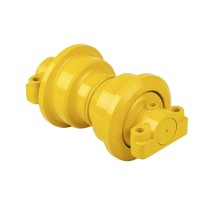
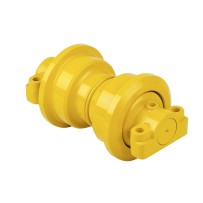
Single flange track rollers are key components of the crawler undercarriage system, commonly used in construction machinery such as crawler excavators, bulldozers, and other heavy machines operating in challenging terrain. These rollers play a crucial role in ensuring smooth movement and even weight distribution of the machine on the tracks, which minimizes wear on components and the ground over which the machine travels.

SINGLE FLANGE TRACK ROLLER - DIMENSIONS

Internal width between the roller flanges 210 mm

CATERPILLAR TRACK ROLLER - FUNCTION AND CONSTRUCTION

Single flange track rollers, unlike their double flange counterparts, have only one flange that guides the track in the correct line of movement. This flange, located on one side of the roller, interacts with the inner surface of the track links, keeping them in the correct position on the working path. The absence of a second flange on the roller means that this component is typically used in machines with lower loads or in specific working conditions where lateral loads are reduced.

Key elements of the single flange roller construction:

  • Roller body – Made of high wear-resistant steel. Its purpose is to transfer the weight of the machine and working forces.
  • Flange – One flange placed on one side of the roller, which keeps the track on the correct path. It protects the tracks from slipping off the roller.
  • Bearing – The interior of the roller contains bearings that allow for smooth rotation of the roller under load. The bearings are lubricated and often sealed, which minimizes maintenance needs.
  • Seals – The rollers are equipped with special seals that prevent dirt, water, and contaminants from entering, extending the component's lifespan.

  • Single flange rollers are mainly used in medium and smaller crawler machines that do not experience such high lateral forces as, for example, bulldozers working on steep slopes. Examples of such applications include:
  • Crawler excavators – Especially those operating in moderate terrain conditions, where guiding the track is more important than counteracting lateral forces.
  • Mini excavators and smaller bulldozers – In smaller machines, the weight distributed on the undercarriage is not as significant, making single flange rollers sufficiently durable.
  • Machines for transporting aggregates or other crawler devices – These machines often operate in conditions where a lightweight undercarriage and lower lateral loads are required.

SINGLE FLANGE TRACK ROLLER - UF210E3E

The roller shell is made of deep-hardened steel and designed to be resistant to vibrations. Hardness 50 – 58 HRC. Shafts and bearings are designed to reduce friction and wear while ensuring maximum strength. Lubricated for the entire service life to minimize maintenance.

Modern single flange rollers increasingly utilize advanced materials, such as high-strength alloys and modern protective coatings. Among the innovations, the following can be highlighted:

  • Surface hardening – This process increases strength and wear resistance, which is particularly important in conditions of intensive use.
  • Multi-layer seals – Modern sealing systems more effectively protect bearings from contaminants and moisture, resulting in longer component lifespan.

    Single flange track rollers are an essential element of many crawler machines, especially those operating in moderate terrain conditions. Their simpler construction and lower operating costs make them a popular choice for machines with lower lateral loads. However, the selection of appropriate rollers for a machine should always consider specific working conditions, load, and terrain type to ensure optimal performance and longevity of the undercarriage.

Laufrolle HYUNDAI R280 einseitig
0 Review(s) 

Single flange track rollers are key components of the crawler undercarriage, commonly used in construction machinery such as crawler excavators, bulldozers, and other heavy equipment operating in challenging terrain. These rollers play a crucial role in ensuring smooth movement and even weight distribution of the machine on the tracks, which minimizes wear on components and the ground over which the machine travels.

SINGLE FLANGE TRACK ROLLER - DIMENSIONS

Internal width between the roller flanges 196 mm

CATERPILLAR TRACK ROLLER - FUNCTION AND CONSTRUCTION

Single flange track rollers, unlike their double flange counterparts, have only one flange that guides the track in the correct line of movement. This flange, located on one side of the roller, interacts with the inner surface of the track links, keeping them in the correct position on the working path. The absence of a second flange on the roller means that this component is typically used in machines with lower loads or in specific working conditions where lateral loads are reduced.

Key elements of the single flange roller construction:

  • Roller body – Made of high wear-resistant steel. Its purpose is to transfer the mass of the machine and working forces.
  • Flange – One flange placed on one side of the roller, which keeps the track on the correct path. It protects the tracks from slipping off the roller.
  • Bearing – The interior of the roller contains bearings that allow for smooth rotation of the roller under load. The bearings are lubricated and often sealed, which minimizes maintenance needs.
  • Seals – The rollers are equipped with special seals that prevent dirt, water, and contaminants from entering, extending the component's lifespan.

  • Single flange rollers are mainly used in medium and smaller crawler machines that do not experience such high lateral forces as, for example, bulldozers working on steep slopes. Examples of such applications include:
  • Crawler excavators – Especially those operating in moderate terrain conditions, where guiding the track is more important than counteracting lateral forces.
  • Mini excavators and smaller bulldozers – In smaller machines, the weight distributed on the undercarriage is not as great, making single flange rollers sufficiently durable.
  • Machines for transporting aggregates or other crawler devices – These machines often operate in conditions where a lightweight undercarriage and lower lateral loads are required.

SINGLE FLANGE TRACK ROLLER - UF196E0E

The roller shell is made of deep-hardened steel and designed to be resistant to vibrations. Hardness 50 – 58 HRC. Shafts and bearings are designed to reduce friction and wear while ensuring maximum strength. Lubricated for the entire service life for minimal maintenance.

Modern single flange rollers increasingly utilize advanced materials, such as high-strength alloys and modern protective coatings. Among the innovations, the following can be highlighted:

  • Surface hardening – This process increases strength and wear resistance, which is particularly important in conditions of intensive use.
  • Multi-layer seals – Modern sealing systems more effectively protect bearings from contaminants and moisture, resulting in longer component lifespan.

    Single flange track rollers are an essential element of many crawler machines, especially those operating in moderate terrain conditions. Their simpler construction and lower operating costs make them a popular choice for machines with lower lateral loads. However, the selection of appropriate rollers for a machine should always consider specific working conditions, load, and terrain type to ensure optimal performance and longevity of the undercarriage.

Laufrolle HYUNDAI R250 einseitig
0 Review(s) 

A single flange track roller is a crucial component of the crawler undercarriage system, widely used in construction machinery such as crawler excavators, bulldozers, and other heavy vehicles operating in challenging terrain conditions. This roller plays a key role in ensuring the smooth movement of the machine and the even distribution of its weight on the tracks, which contributes to reducing component wear and minimizing the impact on the ground.

SINGLE FLANGE TRACK ROLLER - DIMENSIONS

Internal width between the roller flanges 176 mm

TRACK ROLLER CATERPILLAR - FUNCTION AND CONSTRUCTION

The single flange track roller, unlike the double flange version, has only one flange, which serves to guide the track along a designated path. The flange located on one side of the roller interacts with the inner side of the track links, keeping it on the correct track. The absence of a second flange means that the track roller is typically used in machines with lower loads or in working conditions where there are smaller lateral forces.

Key elements of the single flange roller construction:

  • Roller body – Made of high wear-resistant steel. Its purpose is to transfer the machine's mass and working forces.
  • Flange (projection) – One flange located on one side of the roller, which keeps the track on the correct path. It prevents the track from slipping off the roller.
  • Bearing – The interior of the roller contains bearings that allow for smooth rotation of the roller under load. The bearings are lubricated and often sealed, minimizing maintenance needs.
  • Seals – The rollers are equipped with special seals that prevent dirt, water, and contaminants from entering, which extends the component's lifespan.

  • Single flange rollers are mainly used in medium and smaller crawler machines that do not experience such high lateral forces as, for example, bulldozers working on steep slopes. Examples of such applications include:
  • Crawler excavators – Especially those operating in moderate terrain conditions, where guiding the track is more important than counteracting lateral forces.
  • Mini excavators and smaller bulldozers – In smaller machines, the weight distributed on the undercarriage system is not as high, making single flange rollers sufficiently durable.
  • Machines for transporting aggregates or other crawler devices – These machines often operate in conditions where a lightweight undercarriage and lower lateral loads are required.

SINGLE FLANGE TRACK ROLLER - UF176E1E

The roller shell is made of deep-hardened steel and designed to be resistant to vibrations. Hardness 50 – 58 HRC. The shafts and bearings are designed to reduce friction and wear while ensuring maximum strength. Lubricated for the entire service life to minimize maintenance.

Modern single flange track rollers increasingly utilize advanced materials, such as high-strength alloys and modern protective coatings. Among the innovations, the following can be highlighted:

  • Surface hardening – This process increases strength and wear resistance, which is particularly important in conditions of intensive use.
  • Multi-layer seals – Modern sealing systems more effectively protect bearings from contaminants and moisture, resulting in longer component lifespan.

Single flange track rollers are a key element of many crawler machines, especially those operating in moderate terrain conditions. Due to their simpler construction and lower operating costs, they are often chosen for machines exposed to lower lateral loads. Nevertheless, the selection of appropriate rollers for a machine should consider specific working conditions, load levels, and terrain types to ensure maximum efficiency and durability of the undercarriage.

Laufrolle HYUNDAI HX180 einseitig
0 Review(s) 

Single flange track rollers are key components of the crawler undercarriage system, commonly used in construction machinery such as crawler excavators, bulldozers, and other heavy equipment operating in challenging terrain. These rollers play a crucial role in ensuring smooth movement and even weight distribution of the machine on the tracks, which minimizes wear on components and the ground over which the machine travels.

SINGLE FLANGE TRACK ROLLER - DIMENSIONS

Internal width between the roller flanges 176 mm

CATERPILLAR TRACK ROLLER - FUNCTION AND CONSTRUCTION

Single flange track rollers, unlike their double flange counterparts, have only one flange that guides the track in the correct line of movement. This flange, located on one side of the roller, interacts with the inner surface of the track links, keeping them in the correct position on the working path. The absence of a second flange on the roller means that this component is typically used in machines with lower loads or in specific working conditions where lateral loads are reduced.

Key elements of single flange roller construction:

  • Roller body – Made of high wear-resistant steel. Its purpose is to transfer the mass of the machine and working forces.
  • Flange – One flange placed on one side of the roller, which keeps the track on the correct path. It protects the tracks from slipping off the roller.
  • Bearing – The interior of the roller contains bearings that allow for smooth rotation of the roller under load. The bearings are lubricated and often sealed, which minimizes maintenance needs.
  • Seals – Rollers are equipped with special seals that prevent dirt, water, and contaminants from entering, extending the component's lifespan.

  • Single flange rollers are mainly used in medium and smaller crawler machines that do not experience such high lateral forces as, for example, bulldozers working on steep slopes. Examples of such applications include:
  • Crawler excavators – Especially those operating in moderate terrain conditions, where guiding the track is more important than counteracting lateral forces.
  • Mini excavators and smaller bulldozers – In smaller machines, the weight distributed on the undercarriage is not as great, making single flange rollers sufficiently durable.
  • Machines for transporting aggregates or other crawler devices – These machines often operate in conditions where a lightweight undercarriage and lower lateral loads are required.

SINGLE FLANGE TRACK ROLLER - UF176E0E

The roller shell is made of deep-hardened steel and designed to be resistant to vibrations. Hardness 50 – 58 HRC. Shafts and bearings are designed to reduce friction and wear while ensuring maximum strength. Lubricated for the entire service life to minimize maintenance.

Modern single flange rollers increasingly utilize advanced materials, such as high-strength alloys and modern protective coatings. Among the innovations, the following can be highlighted:

  • Surface hardening – This process increases strength and wear resistance, which is particularly important in conditions of intensive use.
  • Multi-layer seals – Modern sealing systems more effectively protect bearings from contaminants and moisture, resulting in longer component lifespan.

    Single flange track rollers are an essential element of many crawler machines, especially those operating in moderate terrain conditions. Their simpler construction and lower operating costs make them a popular choice for machines with lower lateral loads. However, the selection of appropriate rollers for a machine should always consider specific working conditions, load, and terrain type to ensure optimal performance and longevity of the undercarriage.

Laufrolle HYUNDAI R80 einseitig laufend
0 Review(s) 

Single flange track rollers are key components of the crawler undercarriage system, commonly used in construction machinery such as crawler excavators, bulldozers, and other heavy equipment operating in challenging terrain. These rollers play a crucial role in ensuring smooth movement and even weight distribution of the machine on the tracks, which minimizes wear on components and the ground over which the machine travels.

SINGLE FLANGE TRACK ROLLER - DIMENSIONS

Internal width between the roller flanges:

CATERPILLAR TRACK ROLLER - FUNCTION AND CONSTRUCTION

Single flange track rollers, unlike their double flange counterparts, have only one flange that guides the track in the correct line of movement. This flange, located on one side of the roller, interacts with the inner surface of the track links, keeping them in the correct position on the working path. The absence of a second flange on the roller means that this component is typically used in machines with lower loads or in specific working conditions where lateral loads are reduced.

Key elements of single flange roller construction:

  • Roller body – Made of high wear-resistant steel. Its purpose is to transfer the mass of the machine and working forces.
  • Flange (projection) – One flange placed on one side of the roller, which keeps the track on the correct path. It protects the tracks from slipping off the roller.
  • Bearing – The interior of the roller contains bearings that allow for smooth rotation of the roller under load. The bearings are lubricated and often sealed, minimizing maintenance needs.
  • Seals – Rollers are equipped with special seals that prevent dirt, water, and contaminants from entering, which extends the component's lifespan.

  • Single flange rollers are mainly used in medium and smaller crawler machines that do not experience such high lateral forces as, for example, bulldozers working on steep slopes. Examples of such applications include:
  • Crawler excavators – Especially those operating in moderate terrain conditions, where guiding the track is more important than counteracting lateral forces.
  • Mini excavators and smaller bulldozers – In smaller machines, the weight distributed on the undercarriage is not as high, making single flange rollers sufficiently durable.
  • Machines for transporting aggregates or other crawler devices – These machines often operate in conditions where a lightweight undercarriage and lower lateral loads are required.

SINGLE FLANGE TRACK ROLLER - UF106Z2A

The roller shell is made of deep-hardened steel and designed to be resistant to vibrations. Hardness 50 – 58 HRC. Shafts and bearings are designed to reduce friction and wear while ensuring maximum strength. Lubricated for the entire service life to minimize maintenance.

Modern single flange rollers increasingly utilize advanced materials, such as high-strength alloys and modern protective coatings. Among the innovations, the following can be highlighted:

  • Surface hardening – This process increases strength and wear resistance, which is particularly important in conditions of intensive use.
  • Multi-layer seals – Modern sealing systems more effectively protect bearings from contaminants and moisture, resulting in longer component lifespan.

    Single flange track rollers are an essential element of many crawler machines, especially those operating in moderate terrain conditions. Their simpler construction and lower operating costs make them a popular choice for machines with lower lateral loads. However, the selection of appropriate rollers for a machine should always consider specific working conditions, load, and terrain type to ensure optimal performance and longevity of the undercarriage.

Laufrolle HYUNDAI R520 einseitig
0 Review(s) 

A single flange track roller is a crucial component of the crawler undercarriage system, widely used in construction machinery such as crawler excavators, bulldozers, and other heavy vehicles operating in challenging terrain conditions. This roller plays a key role in ensuring the smooth movement of the machine and the even distribution of its weight on the tracks, which contributes to reducing component wear and minimizing the impact on the ground.

SINGLE FLANGE TRACK ROLLER - DIMENSIONS

Internal width between the roller flanges 210 mm

SINGLE FLANGE TRACK ROLLER - FUNCTION AND CONSTRUCTION

The single flange track roller, unlike the double flange version, has only one flange, which serves to guide the track along a designated path. The flange located on one side of the roller interacts with the inner side of the track links, keeping it on the correct track. The absence of a second flange means that the track roller is typically used in machines with lower loads or in working conditions where there are smaller lateral forces.

Key construction elements of the single flange roller:

  • Roller body – Made of high wear-resistant steel. Its purpose is to transfer the machine's mass and working forces.
  • Flange (projection) – One flange located on one side of the roller, which keeps the track on the correct path. It prevents the track from slipping off the roller.
  • Bearing – The interior of the roller contains bearings that allow for smooth rotation of the roller under load. The bearings are lubricated and often sealed, minimizing maintenance needs.
  • Seals – The rollers are equipped with special seals that prevent dirt, water, and contaminants from entering, which extends the component's lifespan.

  • Single flange rollers are mainly used in medium and smaller crawler machines that do not experience such high lateral forces as, for example, bulldozers working on steep slopes. Examples of such applications include:
  • Crawler excavators – Especially those operating in moderate terrain conditions, where guiding the track is more important than counteracting lateral forces.
  • Mini excavators and smaller bulldozers – In smaller machines, the weight distributed on the undercarriage system is not as great, making single flange rollers sufficiently durable.
  • Machines for transporting aggregates or other crawler devices – These machines often operate in conditions where a lightweight undercarriage and lower lateral loads are required.

SINGLE FLANGE TRACK ROLLER - UF210E4E

The roller shell is made of deep-hardened steel and designed to be resistant to vibrations. Hardness 50 – 58 HRC. The shafts and bearings are designed to reduce friction and wear while ensuring maximum strength. Lubricated for the entire service life to minimize maintenance.

Modern single flange track rollers increasingly utilize advanced materials, such as high-strength alloys and modern protective coatings. Among the innovations, the following can be highlighted:

  • Surface hardening – This process increases strength and wear resistance, which is particularly important in conditions of intensive use.
  • Multi-layer seals – Modern sealing systems more effectively protect bearings from contaminants and moisture, resulting in longer component lifespan.

Single flange track rollers are a key element of many crawler machines, especially those operating in moderate terrain conditions. Due to their simpler construction and lower operating costs, they are often chosen for machines exposed to lower lateral loads. Nevertheless, the selection of appropriate rollers for a machine should consider specific working conditions, load levels, and terrain types to ensure maximum efficiency and durability of the undercarriage.