
Left Banner

  • LeftBanner 1

Einseitige Laufrollen SIMIT

Einseitige Laufrollen SIMIT

Unsere einseitigen Laufrollen SIMIT sind ein zentrales Bauteil des Fahrwerksystems bei Maschinen dieser Marke und gewährleisten Stabilität sowie präzise Führung der Kette. Hergestellt von ITR als hochwertige Ersatzteile, zeichnen sie sich durch Langlebigkeit und Beständigkeit gegen intensive Beanspruchung aus, was zur Optimierung der Betriebskosten Ihrer Maschine beiträgt.

===

Funktionen und Vorteile der einseitigen Laufrollen

Die von ITR gefertigten einseitigen Laufrollen SIMIT erfüllen mehrere wesentliche Funktionen:

  • Kettenstabilisierung: Ermöglichen eine gleichmäßige Führung, verbessern die Präzision und Manövrierfähigkeit der Maschine.
  • Reibungsreduzierung: Minimieren den Kontakt zwischen Kette und Untergrund, verlängern die Lebensdauer des Fahrwerks.
  • Verhinderung von Verrutschen: Gleichmäßige Druckverteilung reduziert das Risiko des Abrutschens der Kette und minimiert Ausfallrisiken.
  • Verbesserung des Arbeitskomforts: Reduzierung von Vibrationen und Geräuschen zugunsten des Bedienkomforts.

Rollentypen – abgestimmt auf SIMIT-Maschinen

Im ITR-Angebot finden Sie verschiedene Typen einseitiger Laufrollen für SIMIT-Maschinen:

  1. Standardrollen SIMIT: Für den Einsatz unter unterschiedlichen Bedingungen ausgelegt, bieten sie eine optimale Balance zwischen Robustheit und Flexibilität der Konstruktion.
  2. Roller mit Dichtung: Mit zusätzlichem Schutz gegen Verschmutzungen ausgestattet, was die Einsatzdauer auch unter schwierigen Arbeitsbedingungen deutlich verlängert.

Kompatibilität – ITR-Ersatzteile für SIMIT-Maschinen

Die von ITR hergestellten Ersatzteile sind voll kompatibel mit SIMIT-Maschinen und gewährleisten die vollständige Übereinstimmung mit Originalkomponenten. So ist sichergestellt, dass die Laufrollen optimal mit dem Fahrwerk zusammenarbeiten und einen unterbrechungsfreien, störungsfreien Betrieb des Geräts gewährleisten.

Erkennen von Verschleißerscheinungen an Laufrollen

Regelmäßige Kontrolle des Zustands der einseitigen Laufrollen ist entscheidend, um kostspielige Reparaturen zu vermeiden. Typische Verschleißsymptome sind:

  • Unregelmäßiger Maschinenlauf und Schwierigkeiten bei der Kettenführung;
  • Übermäßige Vibrationen und Geräusche während des Betriebs;
  • Sichtbare Risse und Beschädigungen an der Rollenoberfläche;
  • Fettleckagen als Hinweis auf beschädigte Dichtungen;
  • Ungleichmäßiger Verschleiß der Fahrwerksteile.

Bei Auftreten der genannten Symptome empfehlen wir den sofortigen Austausch der Laufrollen, um weitere Schäden am Fahrwerk zu verhindern.

Warum einseitige Laufrollen SIMIT von ITR wählen?

ITR-Produkte garantieren höchste Qualität und Zuverlässigkeit. Unsere einseitigen Laufrollen SIMIT zeichnen sich aus durch:

  1. Hohe Langlebigkeit: Verwendung verschleißfester Materialien für dauerhaften Einsatz.
  2. Präzise Passgenauigkeit: Perfekte Abstimmung auf die Anforderungen der Maschinen
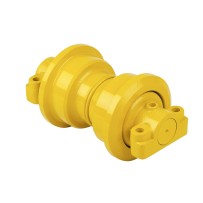
Laufrolle SIMIT FE45 einseitig bündig
0 Review(s) 

Single flange track rollers are key components of the crawler undercarriage system, commonly used in construction machinery such as crawler excavators, bulldozers, and other heavy equipment operating in challenging terrain. These rollers play a crucial role in ensuring smooth movement and even weight distribution of the machine on the tracks, which minimizes wear on components and the ground over which the machine travels.

SINGLE FLANGE TRACK ROLLER - DIMENSIONS

Internal width between the roller flanges is 223 mm

CATERPILLAR TRACK ROLLER - FUNCTION AND CONSTRUCTION

Single flange track rollers, unlike their double flange counterparts, have only one flange that guides the track in the correct line of movement. This flange, located on one side of the roller, interacts with the inner surface of the track links, keeping them in the correct position on the working path. The absence of a second flange on the roller means that this component is typically used in machines with lower loads or in specific working conditions where lateral loads are reduced.

Key elements of the single flange roller construction:

  • Roller body – Made of high wear-resistant steel. Its purpose is to transfer the mass of the machine and working forces.
  • Flange – One flange placed on one side of the roller, which keeps the track on the correct path. It prevents the track from slipping off the roller.
  • Bearing – The interior of the roller contains bearings that allow for smooth rotation of the roller under load. The bearings are lubricated and often sealed, which minimizes maintenance needs.
  • Seals – The rollers are equipped with special seals that prevent dirt, water, and contaminants from entering, extending the component's lifespan.

  • Single flange rollers are mainly used in medium and smaller crawler machines that do not experience as high lateral forces as, for example, bulldozers working on steep slopes. Examples of such applications include:
  • Crawler excavators – Especially those operating in moderate terrain conditions, where guiding the track is more important than counteracting lateral forces.
  • Mini excavators and smaller bulldozers – In smaller machines, the weight distributed on the undercarriage is not as significant, making single flange rollers sufficiently durable.
  • Machines for transporting aggregates or other crawler devices – These machines often operate in conditions where a lightweight undercarriage and lower lateral loads are required.

SINGLE FLANGE TRACK ROLLER - UF223F0T

The roller shell is made of deep-hardened steel and designed to be resistant to vibrations. Hardness 50 – 58 HRC. Shafts and bearings are designed to reduce friction and wear while ensuring maximum strength. Lubricated for the entire service life to minimize maintenance.

Modern single flange rollers increasingly utilize advanced materials, such as high-strength alloys and modern protective coatings. Among the innovations, the following can be highlighted:

  • Surface hardening – This process increases strength and wear resistance, which is particularly important in conditions of intensive use.
  • Multi-layer seals – Modern sealing systems more effectively protect bearings from contaminants and moisture, resulting in longer component lifespan.

    Single flange track rollers are an essential element of many crawler machines, especially those operating in moderate terrain conditions. Their simpler construction and lower operating costs make them a popular choice for machines with lower lateral loads. However, the selection of appropriate rollers for a machine should always consider specific working conditions, load, and terrain type to ensure optimal performance and longevity of the undercarriage.
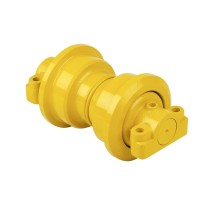
Lauffrolle SIMIT FE20 einseitig
0 Review(s) 

A single flange track roller is an important component in the crawler undercarriage system, used in construction machines such as crawler excavators, bulldozers, and other heavy equipment operating in challenging terrain. These rollers provide smooth movement and even weight distribution of the machine on the tracks, which helps minimize part wear and reduces the impact on the ground over which the machine moves.

SINGLE FLANGE TRACK ROLLER - DIMENSIONS

Internal width between the roller flanges 150 mm

CATERPILLAR TRACK ROLLER - FUNCTION AND CONSTRUCTION

A single flange track roller differs from its double flange counterpart in that it has only one flange, responsible for properly guiding the track. This single flange is located on one side of the roller and works with the inner surface of the track links, allowing them to maintain their proper position. The absence of a second flange means that the track roller is more commonly used in machines operating under lower loads or in conditions where lateral forces are limited.

Key construction elements of the single flange roller:

  • Roller body – Made of high wear-resistant steel. Its purpose is to transfer the machine's weight and working forces.
  • Flange (projection) – One flange located on one side of the roller, which keeps the track on the correct path. It protects the tracks from slipping off the roller.
  • Bearing – The interior of the roller contains bearings that allow for smooth rotation of the roller under load. The bearings are lubricated and often sealed, minimizing maintenance needs.
  • Seals – Rollers are equipped with special seals that prevent dirt, water, and contaminants from entering, extending the component's lifespan.

  • Single flange rollers are mainly used in medium and smaller crawler machines that do not experience as high lateral forces as, for example, bulldozers working on steep slopes. Examples of such applications include:
  • Crawler excavators – Especially those operating in moderate terrain conditions, where guiding the track is more important than counteracting lateral forces.
  • Mini excavators and smaller bulldozers – In smaller machines, the weight distributed on the undercarriage is not as great, making single flange rollers sufficiently durable.
  • Machines for transporting aggregates or other crawler devices – These machines often operate in conditions where a lightweight undercarriage and lower lateral loads are required.

SINGLE FLANGE TRACK ROLLER - UF150F0E

The roller shell is made of deep-hardened steel and designed to be resistant to vibrations. Hardness 50 – 58 HRC. Shafts and bearings are designed to reduce friction and wear while providing maximum strength. Lubricated for the entire service life for minimal maintenance.

Single flange track rollers increasingly utilize modern materials today, such as high-strength metal alloys and innovative protective coatings. Key innovations include:

  • Surface hardening – This technology significantly increases wear resistance and strength, particularly important when working in harsh conditions.
  • Multi-layer seals – Advanced sealing systems offer better protection for bearings against dirt and moisture, extending the lifespan of the rollers.

Single flange track rollers are a key component of many machines moving on tracks, especially those working in moderate terrain conditions. Due to their simplified construction and lower operating costs, they are a popular choice for machines with lower lateral loads. However, it is important to remember that the selection of appropriate rollers must consider specific working conditions, load levels, and terrain type to ensure optimal efficiency and durability of the undercarriage system.